

Bokashi Food Waste


What Do I Need?
-
Bokashi Bran
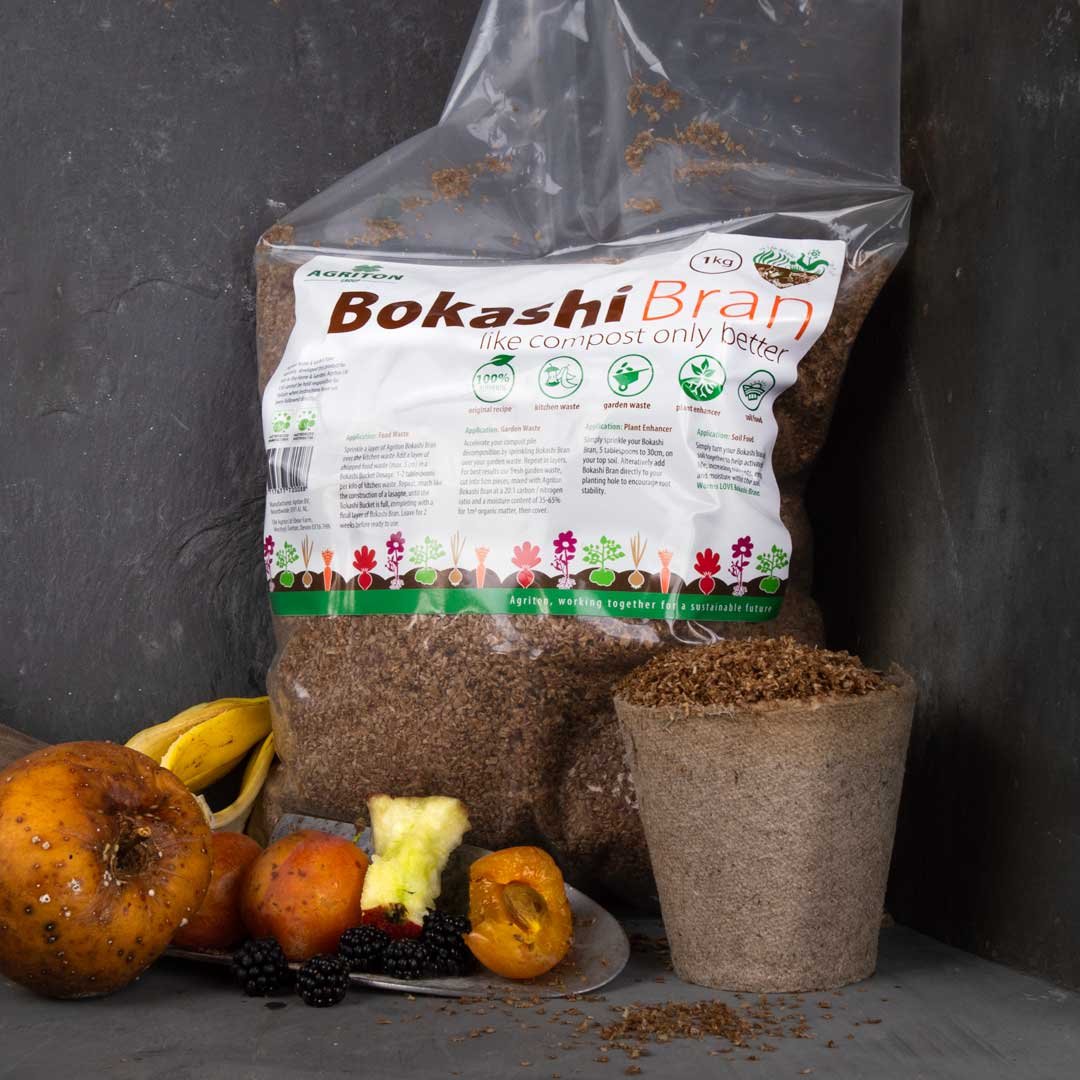
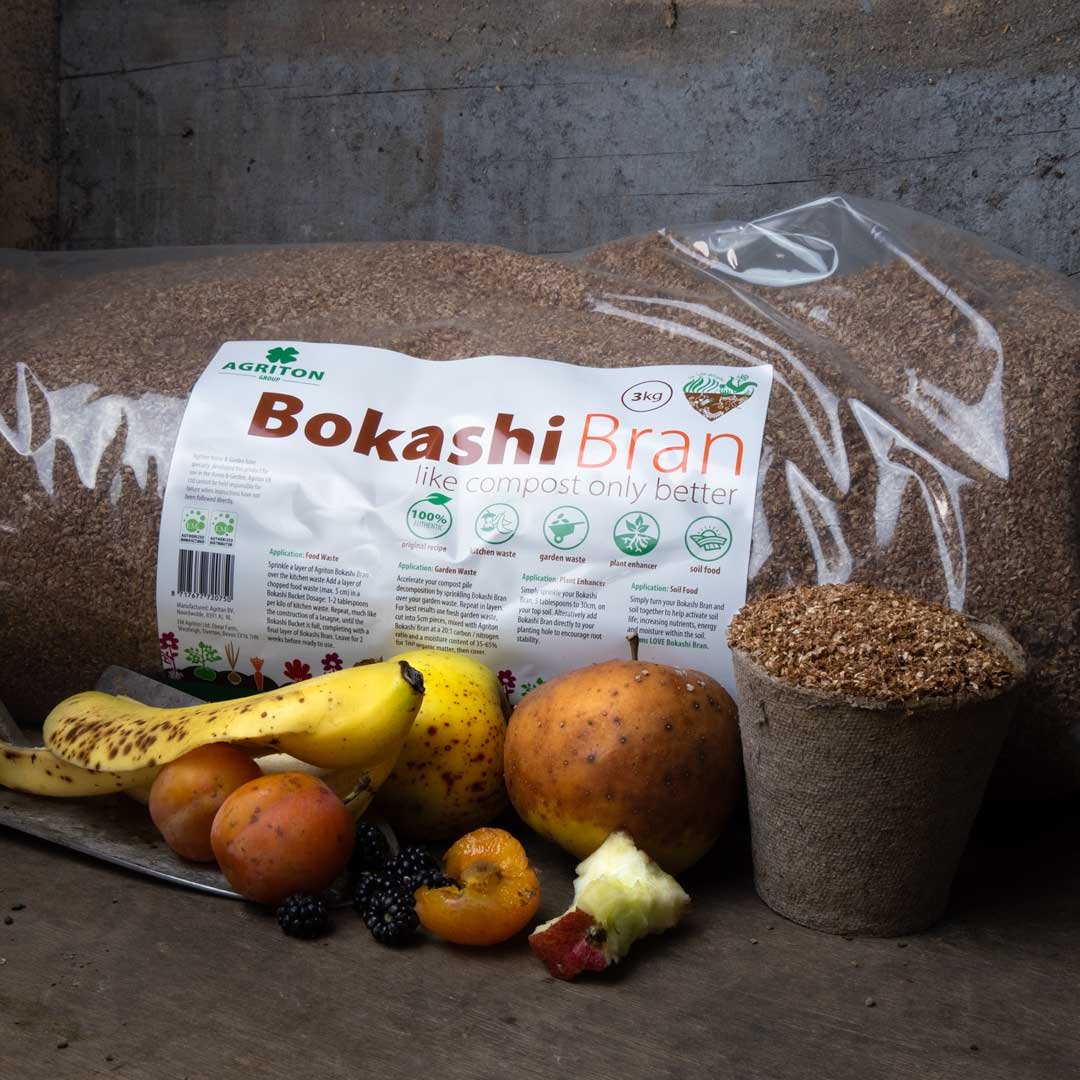
Elevate your composting game with Bokashi Bran, an essential component in the Bokashi method approved by the original Dr. Higa EM. Crafted from fermented bran infused with beneficial microorganisms, Bokashi Bran accelerates the anaerobic fermentation process, transforming kitchen waste into a nutrient-rich compost. Click 'Buy It Now' to experience the efficiency and versatility of Bokashi composting in your own space!
-
Bokashi Bucket
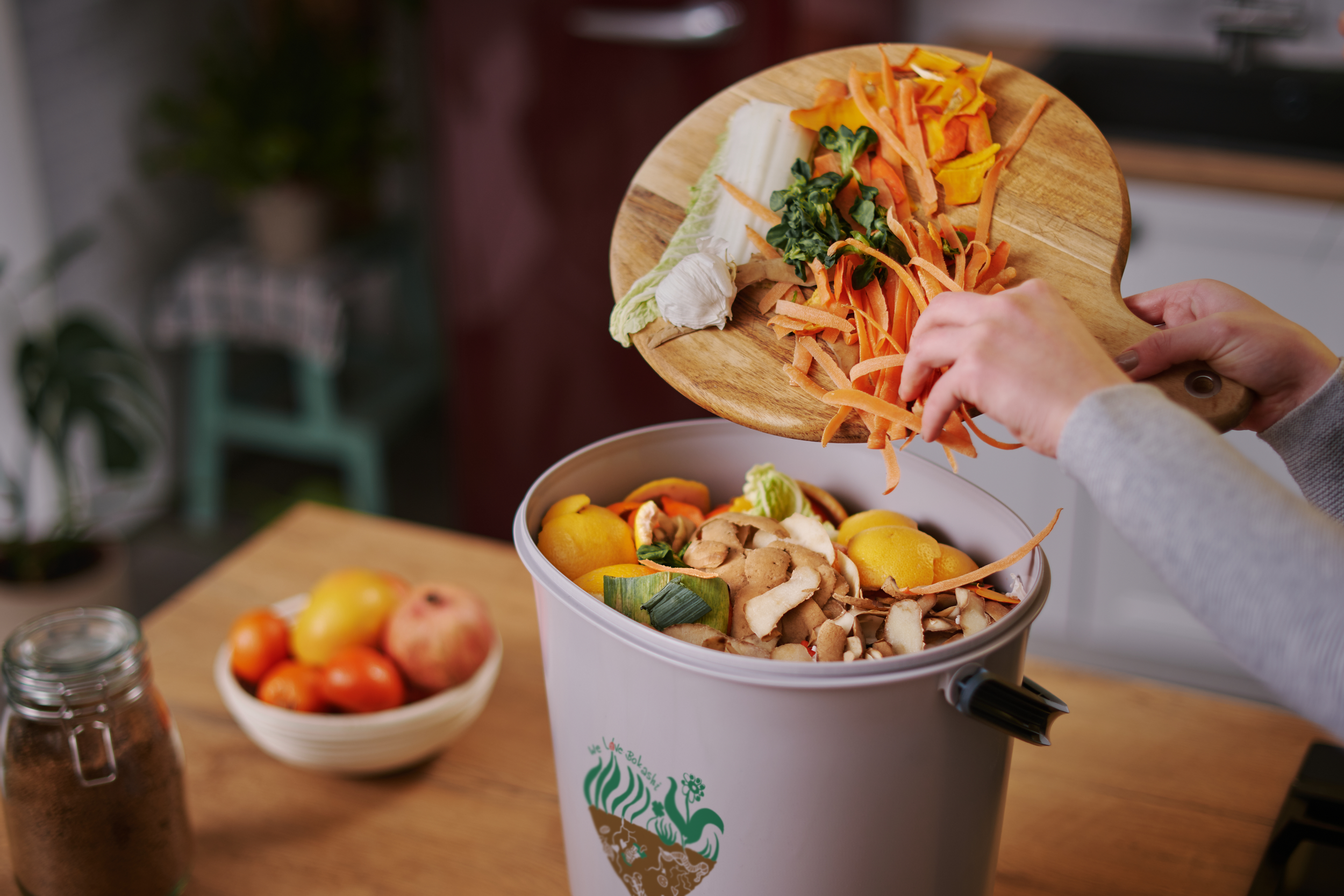
Integrate the efficient Bokashi composting method into your kitchen routine with a Bokashi bucket. Designed with an airtight lid and drainage system, this specialized container creates the ideal anaerobic environment for the fermentation process. Simply layer your kitchen scraps with Bokashi bran, seal the bucket, and let the beneficial microorganisms work their magic. Click 'Buy It Now' to embark on a space-efficient and versatile composting journey with a Bokashi bucket!
-

Accessories
Enhance your Bokashi composting experience with essential accessories for Bokashi bins. From specialized airtight lids ensuring optimal fermentation conditions to convenient drainage systems for extracting nutrient rich Bokashi tea, these accessories elevate the efficiency of your composting setup. Click 'Buy It Now' to explore a range of Bokashi bin accessories and take your sustainable kitchen waste management to the next level!
RevolutioniSe Waste Management with Bokashi Food Waste Integration
Discover the transformative power of bokashi technology as it paves the way for a sustainable and eco-friendly future. Bokashi, an ancient Japanese practice, takes a modern twist as it champions the utilization of food waste in diverse systems.
Bokashi food waste is like that magical friend you never knew you needed in your life! Imagine turning your kitchen scraps into nutrient-rich compost that enriches your garden and reduces landfill waste. It's not just about being eco-friendly, though that's a huge plus. Bokashi helps you close the sustainability loop, bringing life full circle. It's easy, it's efficient, and it's an incredible way to give back to the planet. So why do you need bokashi food waste in your life? Because it's your secret weapon for creating a greener, healthier world, one banana peel at a time! Join the Bokashi revolution, and you'll wonder how you ever lived without it.
Although the traditional method is to bury this directly into the soil it can also be used to enhance aerobic systems to boost productivity.
Add to your compost pile to accelerate the decomposition process
Make yourself a soil factory to revitalise old potting soil
Or add to other organic materials to increase microbial life


Commercial Foodwaste?
Welcome to a new approach to commercial food waste management, where traditional knowledge meets modern composting innovation. At Agriton, we believe food waste is not a problem to dispose of but a valuable resource that can be transformed into healthy soils and thriving ecosystems. By combining the time-tested principles of Bokashi fermentation with practical composting solutions, including Ridan composters, compost tumblers such as Jora, and many other systems available on the market, businesses can create a more sustainable and resilient way of managing organic waste. Fermenting food waste before composting helps preserve valuable nutrients, reduces odours, allows for long-term storage of food waste, and creates an ideal feedstock for producing biologically active compost. When integrated into a composting system, this approach can support healthier fungal and bacterial populations, improve compost quality, and help build living soils that are more resilient and productive. Whether you're a business, school, community group or grower, our systems offer a practical way to reduce environmental impact, close nutrient loops and become part of a truly circular economy. Find out more in our Agriton x Ridan collaboration guide and discover how fermentation and compost biology can transform food waste into a resource for healthier soils and more sustainable food systems.

-
Welcome to the forefront of commercial food waste management, where our specialized system integrates the power of Bokashi bran and advanced technology to redefine sustainability. At the heart of this innovative approach is the 120L Agriton Bokashi bin—an airtight container meticulously designed to facilitate the Bokashi composting process. To kickstart the transformation, our expertly crafted Bokashi bran, a vital ingredient, is introduced. For optimal results in a 120L bin, a recommended 1.8-2kg of Bokashi bran is utilized, creating a potent pre-compost blend. The beauty of this system lies not only in its efficacy but also in its scalability; we offer solutions for larger capacities, handling up to 1 ton of waste at a time. Once the Bokashi process is complete, the pre-compost can be stored indefinitely in airtight containers, ensuring a sustainable cycle of waste management for your business
-
Please note: The direct application of food waste or fermented organic materials to land may be subject to local regulations, permits and waste management legislation depending on how and where the material is used. Please contact us for further information and guidance to ensure your system operates within the relevant regulations.
Direct Soil Integration
Fermented food waste can be buried directly into the soil in trenches or planting areas. Over the following 4–6 weeks, it is transformed by soil life into a rich source of energy and nutrition, feeding microbes, earthworms and the wider soil food web while helping to build soil organic matter.Compost Enhancement & Acceleration
Adding fermented food waste to traditional compost heaps, compost tumblers such as Jora, or in-vessel systems like Ridan can significantly improve the composting process. The facultative microorganisms within Bokashi help stimulate microbial activity, improve nutrient retention and can accelerate the breakdown of green waste and other organic materials, producing a richer, more biologically active compost.Wormery Enrichment
Worms love fermented food waste because much of the hard work has already been done for them. Introducing small amounts of Bokashi pre-compost to a wormery can increase worm activity, enrich vermicompost and create a nutrient-dense soil amendment that supports healthy plant growth.Creating a Soil Factory
For smaller quantities, fermented food waste can be used to rejuvenate old or spent potting compost. By mixing approximately one part fermented food waste with two parts old compost or soil, you can create a living 'soil factory' that restores biology, recycles nutrients and produces a renewed growing medium for containers and raised beds.Whether used directly in the soil, within a Ridan composter, a Jora tumbler, a wormery or a traditional compost heap, fermented food waste offers a flexible and sustainable way to transform a waste product into a valuable resource, helping businesses and communities close nutrient loops and build healthier, more resilient soils.
-
Choosing Bokashi waste management over relying solely on anaerobic digestion or traditional aerobic composting is a strategic and environmentally conscious decision. Bokashi offers a unique approach by fermenting organic waste in an anaerobic environment, preserving valuable nutrients, carbon and biological energy that can later be returned to the soil. Unlike anaerobic digesters, which often require large-scale infrastructure and significant energy inputs, Bokashi systems are adaptable, scalable and accessible to businesses, schools and communities of all sizes.
Importantly, Bokashi does not replace aerobic composting—it complements it. The facultative microorganisms within Bokashi create an ideal bridge between anaerobic fermentation and aerobic decomposition. Fermented food waste can be added to compost heaps, compost tumblers such as Jora, or in-vessel systems like Ridan, where it helps stimulate microbial activity, improve nutrient retention and accelerate the composting process. This combination can reduce the time required for waste transformation while producing richer, more biologically active compost and supporting healthier fungal and bacterial populations within the finished material.
Embracing Bokashi as part of an integrated composting strategy offers a flexible, energy-efficient and nutrient-rich solution that aligns with the principles of the circular economy and responsible environmental stewardship.
Please note: The direct application of food waste or fermented organic materials to land may be subject to local regulations, permits and waste management legislation depending on how and where the material is used. However, combining Bokashi with an aerobic composting process can often provide an effective route for producing a stabilised compost product. Please contact us for further information and guidance to ensure your system operates within the relevant regulations.
Ridan x Agriton: Turning Food Waste into Living Soil
What if your food waste could do more than simply decompose?
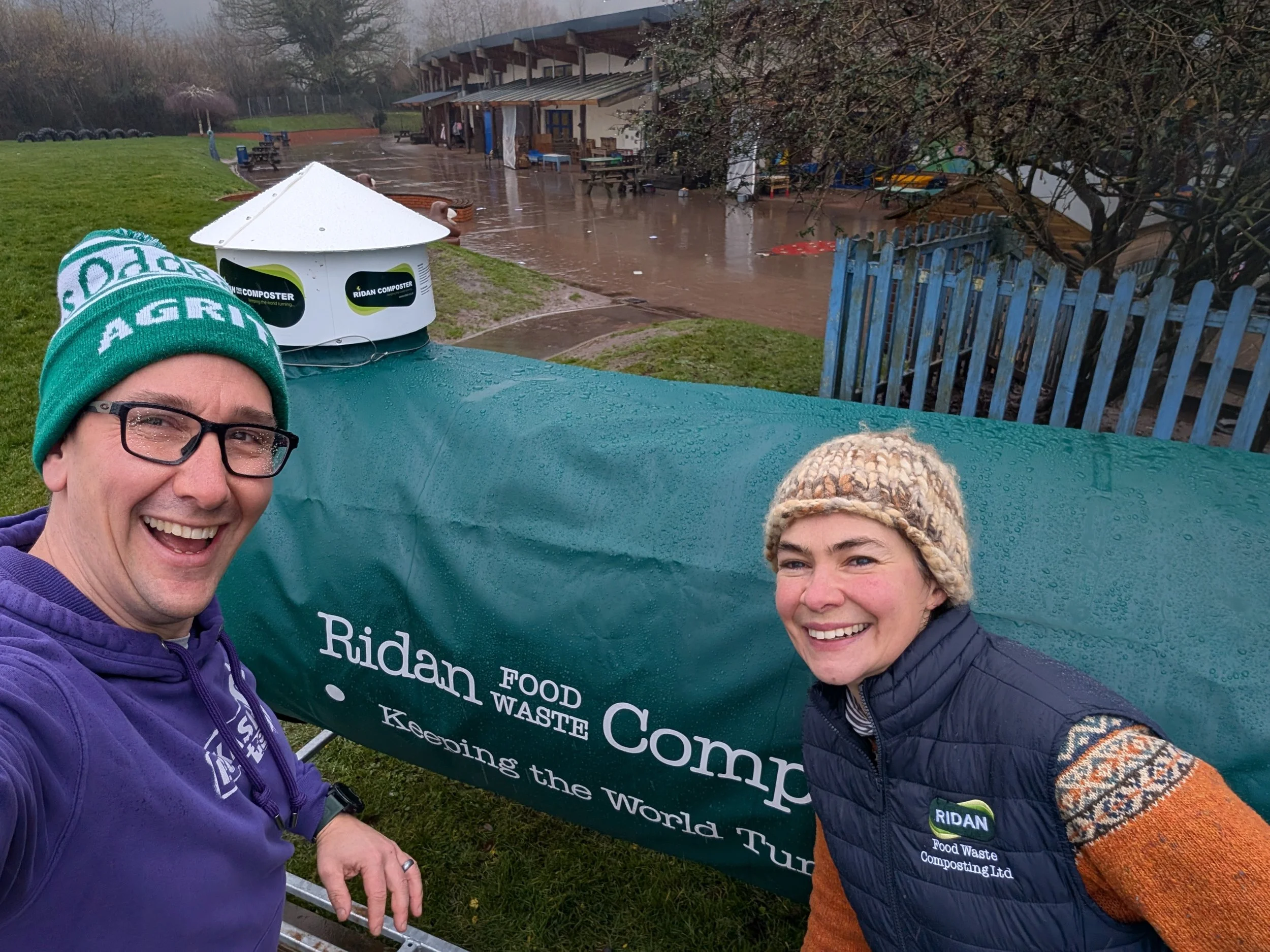
At Agriton and Ridan, we believe that food waste is one of our most valuable resources. By combining Ridan's innovative composting systems with Agriton's expertise in fermentation and soil biology, we're helping growers, gardeners, schools and communities turn waste into a powerful tool for building healthier soils.
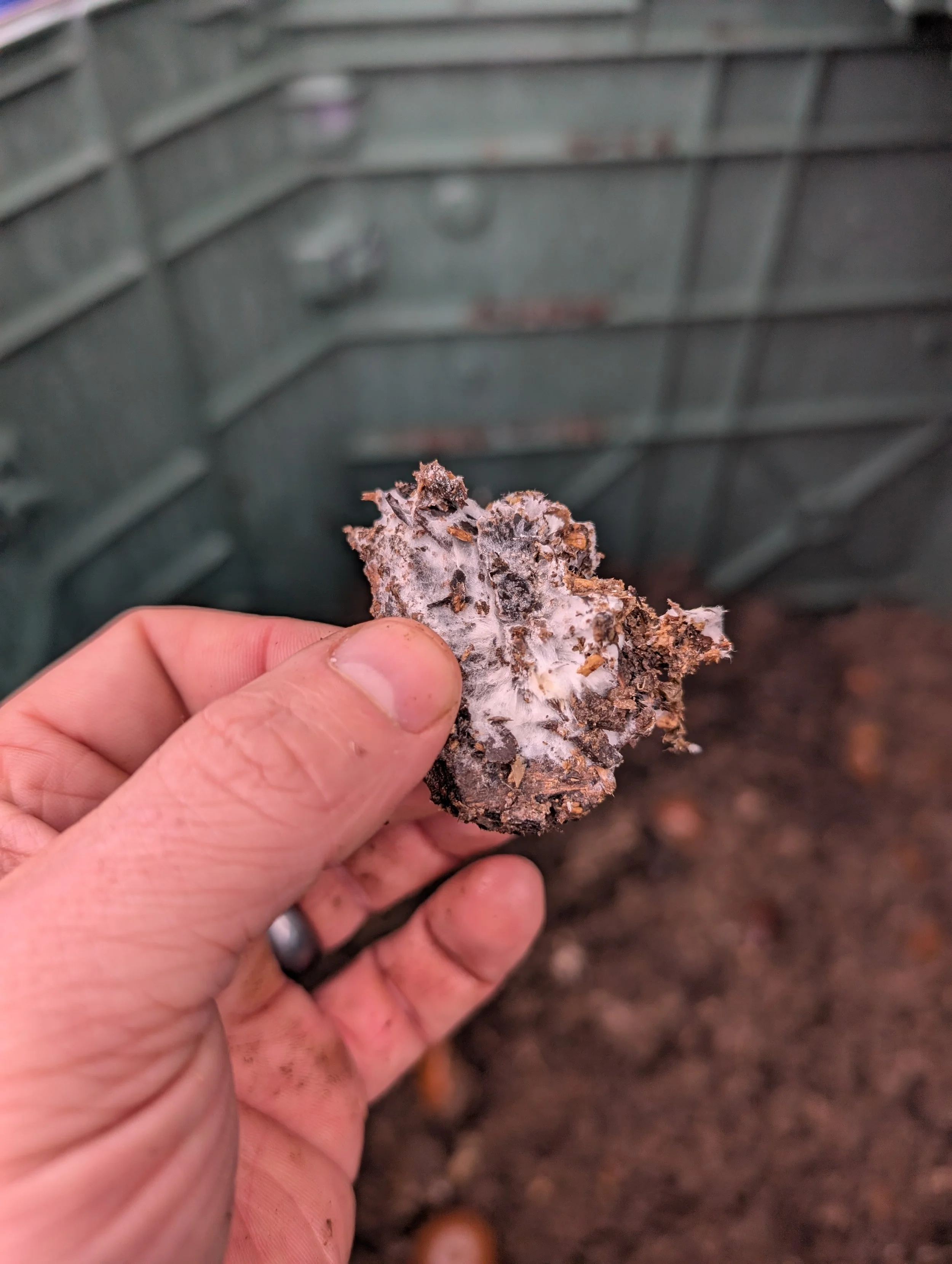
Why Does It Matter?
Healthy soil isn't just about adding organic matter. It's about creating the right environment for life below ground.
The balance between fungi and bacteria in your compost and soil plays a crucial role in:
Nutrient cycling and availability
Plant health and resilience
Water retention and soil structure
Long-term carbon storage
Building stable, living soils
Different plants thrive under different fungal-to-bacterial ratios, and understanding this relationship can transform the way we compost and grow.
Store Your Food Waste Without Rotting
One of the biggest challenges with food waste is storage. Left untreated, food waste quickly begins to rot, producing unpleasant odours and losing valuable nutrients.
By using a fermentation approach before composting, food waste can be:
Stored for extended periods without putrefaction
Protected from nutrient loss
Pre-digested and ready for composting
Turned into a valuable feedstock for creating biologically active compost
When combined with a Ridan composter, this approach can help produce a richer, more stable compost while supporting beneficial microbial activity.
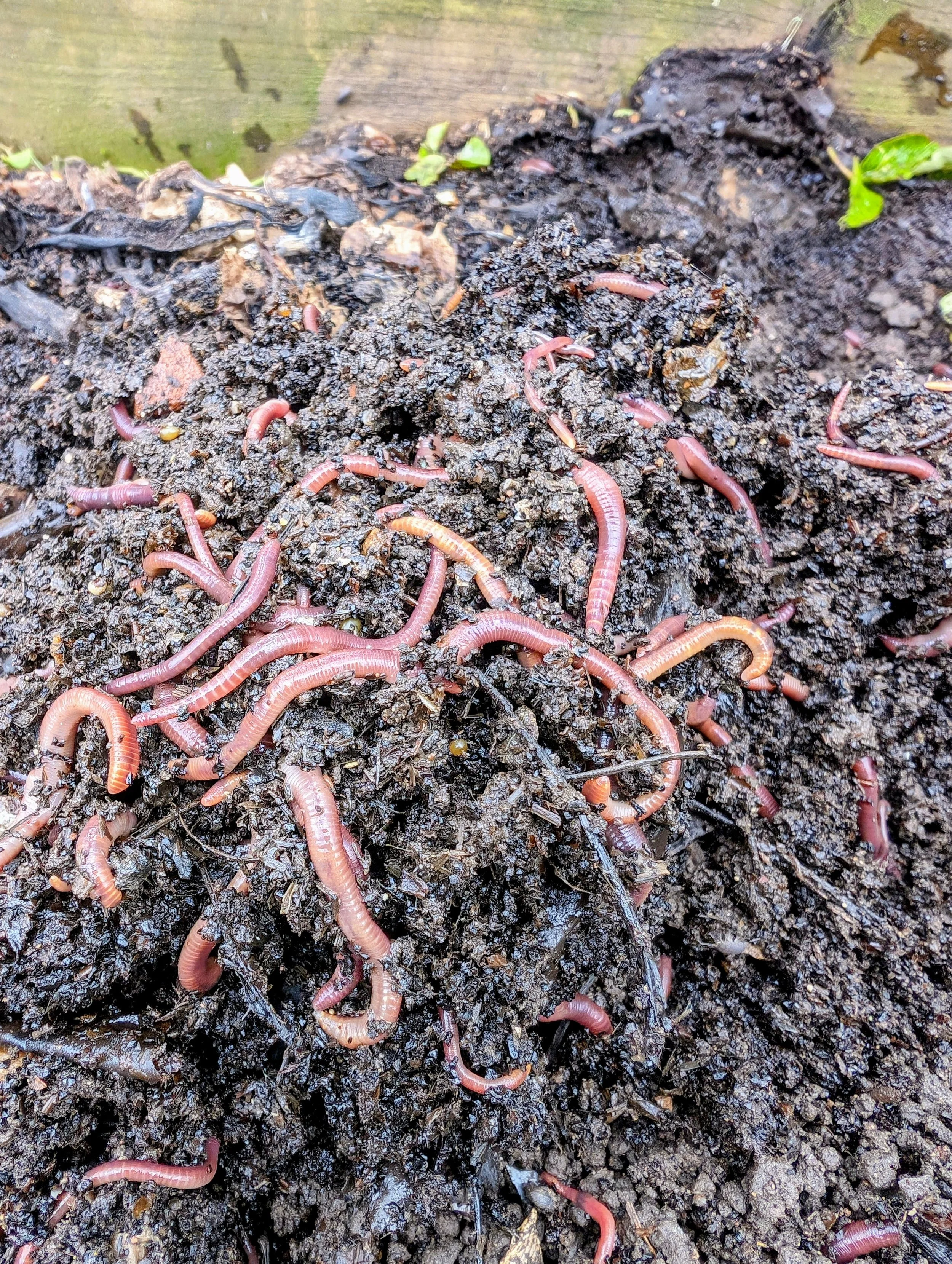
Building Better Compost, Building Better Soil
The collaboration between Agriton and Ridan is about more than waste management. It's about creating compost that actively contributes to healthier, more resilient soils and a stronger circular economy.
Whether you're composting at home, on a market garden, at a school or within a community project, understanding the biology behind the process can make all the difference.
Want to learn more?
Discover how food waste fermentation, compost biology and fungal-to-bacterial ratios can improve your composting system in our collaboration guide. Link BELOW for mobile If you struggle read.
DIY Bokashi Bucket
-
Two 5-gallon buckets: One with holes drilled near the bottom, the other without.
Bokashi bran: This can be purchased online or at some gardening stores.
A tight-fitting lid: To keep the bucket airtight.
A drill and a 1/4-inch drill bit (for the bucket with holes)
-
Prepare the Buckets: Drill 20-30 holes in the bottom of one of the buckets. These holes will allow excess liquid to drain.
Assemble the Buckets: Place the bucket with holes inside the bucket without holes. This will create a double-walled container.
Add the Bokashi Bran: Place a layer of Bokashi bran at the bottom of the inner bucket.
Add Food Scraps: Layer your food scraps on top of the Bokashi bran. Avoid adding meat or dairy products, as these can produce foul odors.
Cover with Bokashi Bran: Sprinkle another layer of Bokashi bran on top of the food scraps.
Repeat: Continue adding layers of food scraps and Bokashi bran until the bucket is full.
Seal the Bucket: Place the lid on the bucket to ensure an airtight seal.
Drain Regularly: Every few days, drain the excess liquid that has collected in the outer bucket. This liquid can be diluted and used as a plant fertilizer.
Ferment: Allow the bucket to ferment for 2-6 weeks. The food scraps will eventually break down and become a nutrient-rich material.
-
Once the fermentation process is complete, the bokashi compost can be used as a soil amendment. It can be added to your garden, compost pile, or worm bin.