
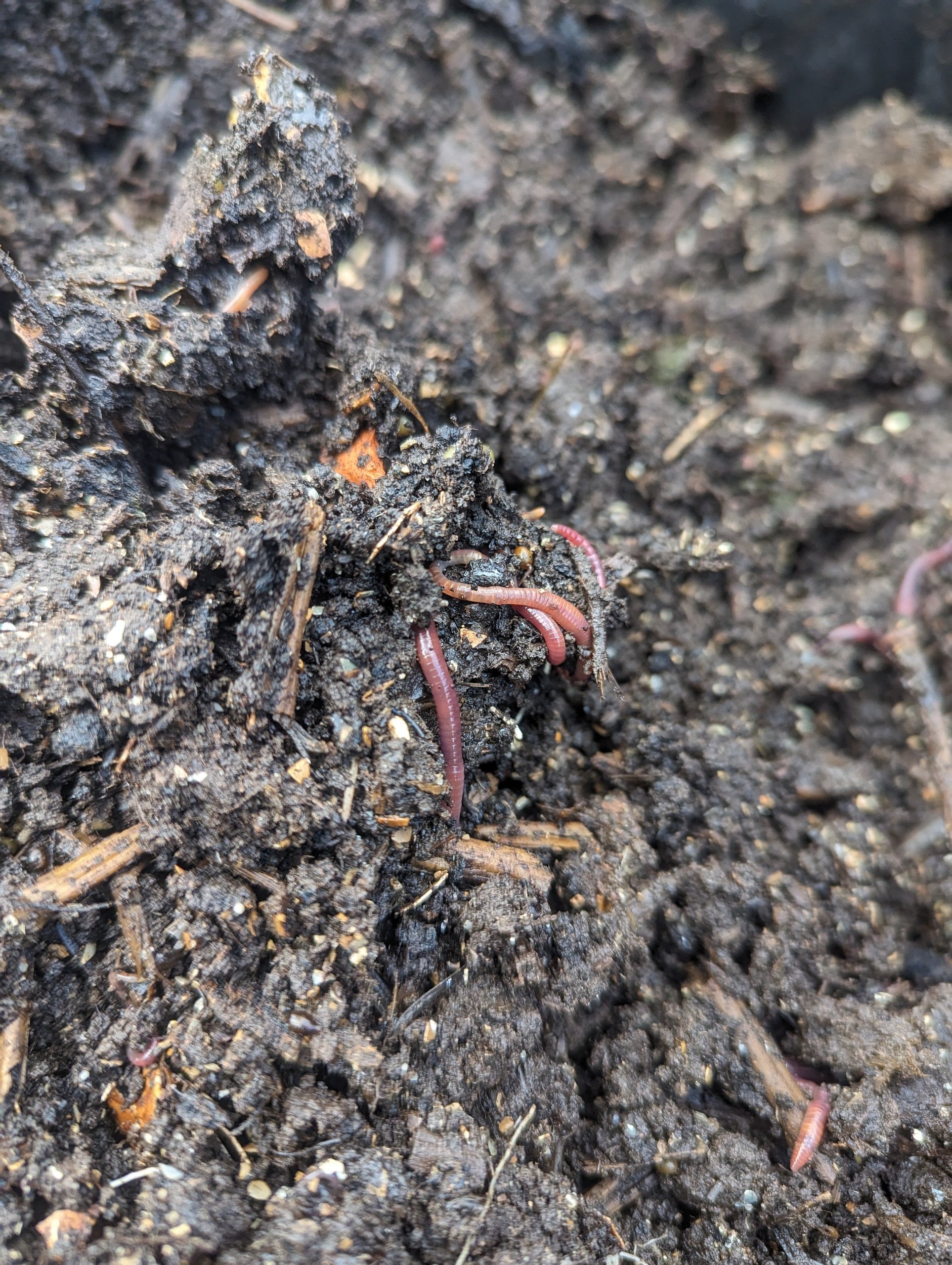
Composting
Discover the Power Of Composting

Are you passionate about sustainability and gardening in the UK?
Join our community of composting enthusiasts and learn how to create nutrient-rich compost from your kitchen scraps FYM & green waste. Discover the benefits of composting for your plants, the environment, and your wallet, tailored to the UK climate.
Composting with Oxygen
(Aerobic Composting)

Envision your compost pile as a lively gathering, teeming with content microbes diligently breaking down kitchen and garden waste. This, my friends, is aerobic composting—an infusion of fresh air for your compost, ideal for blending green and brown organic materials.
-
Green and Brown Materials: For a successful aerobic composting pile, you'll need a good mix of green and brown materials. Green materials are rich in nitrogen and include items like kitchen scraps (fruit and vegetable peels, coffee grounds) and fresh yard waste. Brown materials, high in carbon, include dried leaves, straw, and shredded newspaper. Aim for a balance of approximately 1 part green to 3 parts brown materials by volume.
Layering: Start your compost pile with a layer of coarse materials like twigs or straw at the bottom to allow for good aeration. Add alternating layers of green and brown materials, making sure to keep the pile well-aerated. Turning the compost regularly (about once a week) helps mix the layers, ensuring a good balance of carbon and nitrogen and promoting the aerobic decomposition process.
-
Turning the Pile: Aerobic composting relies on the presence of oxygen to promote the activity of aerobic microorganisms that break down the organic matter. Turning the compost pile regularly (about once a week) helps incorporate oxygen, preventing the pile from becoming compacted and anaerobic.
Monitoring Moisture Levels: Adequate moisture is crucial for microbial activity, but excessive moisture can lead to anaerobic conditions. Aim for a damp, sponge-like consistency. If the pile becomes too wet, add more dry brown materials. If it's too dry, water it lightly. Covering the compost pile with a tarp can help retain moisture and prevent it from getting too soggy during heavy rains.
-
Patience in the Process: Composting is a natural process that takes time. Under optimal conditions, you can expect finished compost in about 2-6 months. Patience is key, so resist the temptation to disturb the pile too frequently.
Recognizing Finished Compost: Finished compost is dark, crumbly, and has a pleasant, earthy smell. The original ingredients should no longer be recognizable. If you see any large, uncomposted materials, you may need to let the pile continue to decompose.
Harvesting the Compost: Once your compost is ready, stop adding new materials and let the pile cure for a few weeks. You can then harvest the compost from the bottom of the pile. Use a screen to sift out any larger, uncomposted materials, and the rest can be incorporated into your garden soil.
Adding Actiferm to Aerobic Composting
Actiferm is a liquid microbial solution that contains beneficial microorganisms, enzymes, and organic acids. Adding Actiferm to your composting process can enhance microbial activity and accelerate the decomposition of organic matter.

-
What is Actiferm:
Actiferm is a fermented microbial solution that contains a diverse range of beneficial microorganisms. These microorganisms include lactic acid bacteria, yeast, and phototrophic bacteria, which contribute to the decomposition of organic matter and the creation of nutrient-rich compost.
Benefits of Actiferm:
Actiferm can help speed up the composting process, improve the quality of the compost, and enhance the availability of nutrients for plants. It also helps suppress harmful pathogens and odours in the compost pile.
-
Dilution: Actiferm is often used in a diluted form. 25ml per 10L of water is a common dilution range. All depends on how dry the content is. You need to get to 50-60% moisture to keep the microbes active.
Spraying or Mixing: You can apply Actiferm by spraying it directly onto the compost pile or by mixing it with water and adding it during the layering process. Ensure even distribution to maximize the coverage of microorganisms throughout the compost.
-
Initial Application: Add Actiferm when you first set up your compost pile by spraying it on the materials as you build layers. This ensures that the beneficial microorganisms are introduced early in the composting process.
Regular Boosts: For ongoing composting, consider giving your compost pile a boost with Actiferm every few weeks. This can help maintain a high population of beneficial microbes and support a consistently active composting environment.
-
Observation:
Keep an eye on the composting process. If you notice any signs of slow decomposition or an imbalance in the compost pile, adding Actiferm can help reinvigorate microbial activity.
Adjusting Dosage:
If you encounter challenges or if your composting pile is larger or smaller than average, you may need to adjust the amount of Actiferm you use. Experiment with different dosages to find the optimal amount for your specific composting conditions.

Adding Actiferm to your aerobic composting process can be a valuable tool for optimizing microbial activity and accelerating the transformation of organic materials into nutrient-rich compost. Always follow the recommended guidelines provided by the manufacturer for the best results.
No-Air Allowed
(Anaerobic Composting)

For those constrained by space, allow us to introduce anaerobic composting. This covert composting technique operates without the presence of air—a stealthy composting ninja, particularly adept at addressing food waste challenges.
-
Airtight Container: Choose a container with a tight-fitting lid to create an anaerobic environment. This can be a small bucket, a sealed bin, or a specially designed anaerobic composter. The key is to prevent the entry of air into the composting system.
Ventilation Control: Ensure that the container has minimal ventilation to restrict the flow of air. Unlike aerobic composting, where oxygen is crucial, anaerobic composting relies on the absence of air to promote the activity of anaerobic microorganisms.
Layering of Materials: Add kitchen scraps, including fruit and vegetable peels, coffee grounds, and other organic waste, directly into the container. Since anaerobic composting doesn't require a careful balance of green and brown materials, you can focus on diverting food waste without strict layering.
-
Tightly Seal the Container: Once you've added your kitchen scraps, seal the container tightly to create a closed system. This prevents the entry of oxygen and encourages the growth of anaerobic bacteria that thrive in low-oxygen environments.
Fermentation Process: Anaerobic composting relies on the fermentation process to break down organic matter. As the microorganisms work in the absence of oxygen, they produce gases such as methane and carbon dioxide. Be aware that these gases can create pressure in the container, so vent it occasionally to release built-up pressure.
Regular Stirring or Shaking: To aid in the decomposition process, stir or shake the contents regularly. This helps distribute microorganisms and accelerates the breakdown of organic materials. However, be cautious when opening the container due to potential odors associated with anaerobic decomposition.
-
Completion of Fermentation: Anaerobic composting typically takes several weeks to a few months to complete. The process is complete when the contents turn dark and have a fermented odour.
Harvesting Compost Tea: Anaerobic composting often produces a nutrient-rich liquid known as compost tea. This liquid can be drained from the container and used as a fertilizer for plants. Dilute the compost tea with water before applying it to avoid over-fertilization.
Caution with Odors: While anaerobic composting can be effective, it's essential to be mindful of potential odours that may develop due to the anaerobic breakdown process. Keep the composting container in a well-ventilated area and consider using an outdoor composting system if odours become a concern.


Actiferm can also be used in anaerobic composting setups.
Actiferm is a liquid microbial solution derived from natural fermentation processes. It contains a diverse array of beneficial microorganisms, enzymes, and organic acids.
-
Lactic Acid Bacteria: Actiferm is rich in lactic acid bacteria, such as Lactobacillus spp. These bacteria play a crucial role in the fermentation process by producing lactic acid, which helps break down organic matter.
Yeast: Yeast strains present in Actiferm contribute to the decomposition process by aiding in the breakdown of complex organic compounds.
Phototrophic Bacteria: Some formulations of Actiferm may also contain phototrophic bacteria, which can use light energy to aid in the decomposition process.
-
Enzymes: Actiferm contains enzymes that facilitate the breakdown of complex organic molecules into simpler compounds. This enzymatic activity helps accelerate the decomposition of organic matter.
Organic Acids: The presence of organic acids, such as acetic acid and lactic acid, contributes to the creation of an acidic environment that supports the growth of beneficial microorganisms while inhibiting the growth of harmful pathogens.
-
Fermentation Support: In anaerobic composting, where the breakdown of organic matter occurs in the absence of oxygen, Actiferm can play a crucial role in promoting and enhancing the fermentation process.
Odor Control: The beneficial microorganisms in Actiferm help control odors by outcompeting the anaerobic bacteria that produce unpleasant-smelling compounds. This can be particularly beneficial in enclosed composting systems.
Accelerated Decomposition: Actiferm aids in the rapid decomposition of kitchen scraps and other organic waste, even in the absence of aeration. This can lead to quicker composting times in anaerobic setups.
-
Dilution: Actiferm is typically used in a diluted form. The specific dilution ratio can vary based on the content. Rule of thumb 25ml with 10L of water.
Application Methods: In aerobic composting, Actiferm is often sprayed on the compost pile or mixed with water and added during the layering process. In anaerobic composting, the diluted Actiferm solution can be added directly to the composting container.
Frequency of Application: Actiferm can be applied initially when setting up the composting system and periodically during the composting process to maintain a robust population of beneficial microorganisms.

Bokashi Composting:
A Comprehensive Approach to Organic Waste Management
Bokashi composting represents a sophisticated methodology for the transformation of organic waste, seamlessly combining precision in green waste management with the nuanced integration of kitchen scraps. Prioritizing nitrogen-rich constituents such as leaves, grass clippings, and garden trimmings, Bokashi methodically harnesses the essential nutrient potential within these materials to activate a robust microbial ecosystem. The inclusive nature of Bokashi extends to food waste, where a diverse array of kitchen scraps.
-
Nitrogen-Rich Components: Bokashi composting places a spotlight on nitrogen-rich green waste, including leaves, grass clippings, and garden trimmings. These materials serve as vital contributors, supplying essential nitrogen to fuel the composting process.
Microbial Activation: The nitrogen content in green waste stimulates the growth of beneficial microorganisms during the Bokashi fermentation process. These microorganisms play a pivotal role in decomposing organic matter and facilitating nutrient transformation.
-
Diverse Food Waste Utilization: Bokashi composting orchestrates a Food Waste Fiesta, encompassing a broad spectrum of kitchen scraps such as coffee grounds, vegetable peels, fruit remnants, and even eggshells. The inclusive nature of Bokashi allows for the efficient decomposition of various food waste items.
Anaerobic Fermentation: Differentiating itself from conventional composting methods, Bokashi embraces anaerobic fermentation. This approach accommodates the breakdown of diverse kitchen materials, utilizing a specialized mix of microorganisms to expedite the fermentation process.
-
Maturation in Soil: Following the initial fermentation phase, the treated waste undergoes maturation in soil. This stage ensures the completion of the decomposition process as soil-dwelling microorganisms further break down the fermented waste.
Nutrient-Rich Compost: Bokashi composting yields a nutrient-dense compost that, when integrated into the soil, enhances its structure, fertility, and nutrient content. The enriched soil promotes optimal conditions for plant growth and vitality.

Post-Bokashi processing involves the maturation of the treated waste in soil, a critical stage that ensures the completion of the decomposition process.
The resulting nutrient-dense compost, rich in beneficial microorganisms, becomes a potent enhancer when reintegrated into the soil. This fortified soil structure not only promotes optimal conditions for plant growth but also exemplifies a sustainable approach to organic waste management.
In essence, Bokashi composting emerges as an advanced and systematic approach, strategically harmonizing diverse organic components to yield enriched soil conducive to sustainable and resilient composting practices.
Compost CAlculator
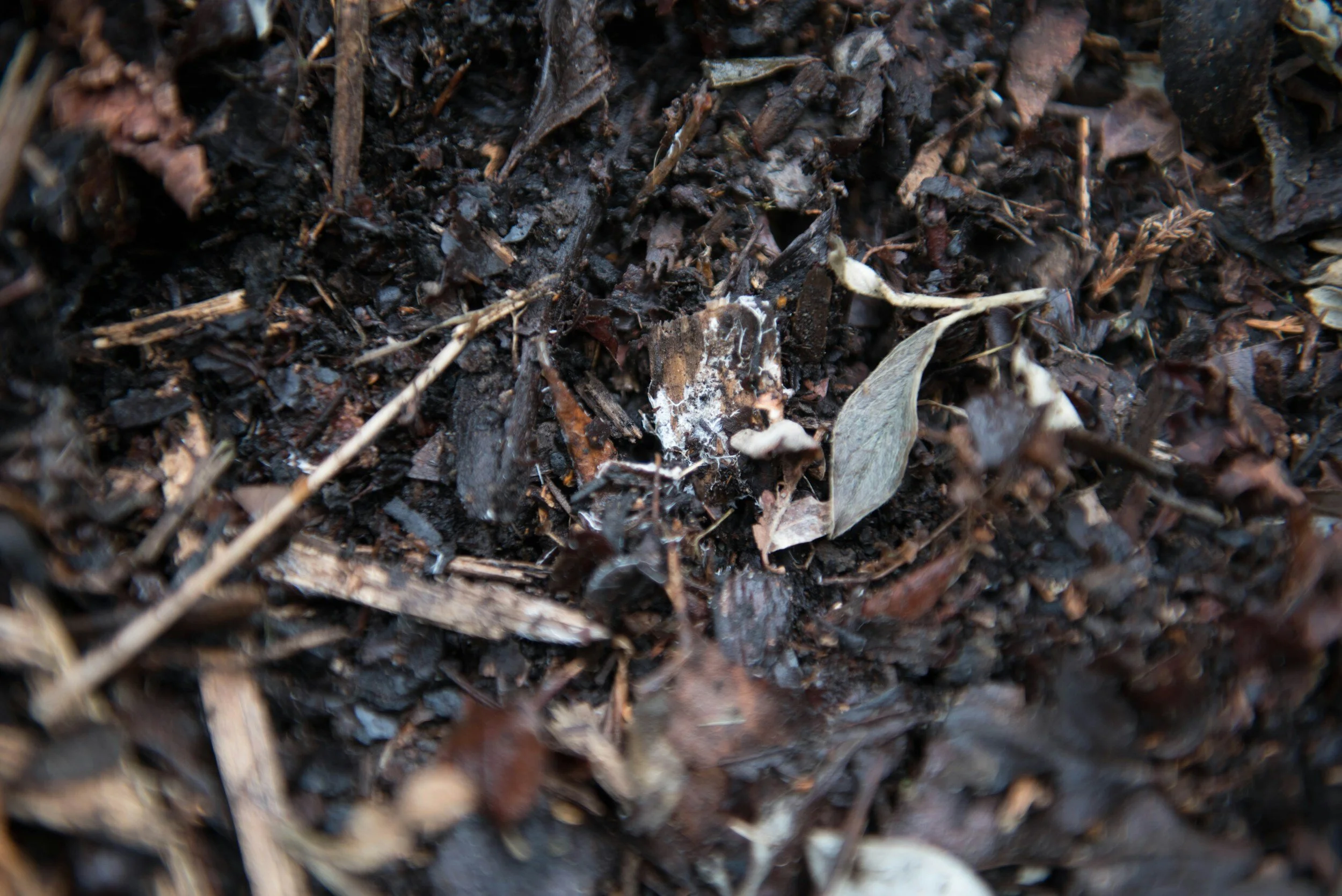
Achieving the right Carbon-to-Nitrogen (C:N) ratio is paramount in the world of composting, playing a pivotal role in the effectiveness of the process. In aerobic composting, particularly for optimal microbial activity, the golden ratio is 30:1. This balance ensures that the microorganisms responsible for breaking down organic matter thrive and efficiently decompose the materials. On the other hand, when utilizing a bokashi system, the sweet spot shifts to a 20:1 ratio. This adaptable range allows for flexibility, accommodating variations based on available materials and preferences. While adjustments can be made above or below the recommended ratio, it's essential to consider the trade-off – time. Striking the right C:N ratio not only accelerates the composting process but also ensures the production of nutrient-rich compost, contributing to sustainable and eco-friendly waste management practices.
-
Achieving the correct Carbon-to-Nitrogen (C:N) ratio is the linchpin of successful composting. In aerobic composting, a meticulous 30:1 ratio is essential for fostering optimal microbial activity. This balance empowers microorganisms to efficiently break down organic matter, turning kitchen and garden waste into nutrient-rich compost that benefits soil health.
-
Delving into the world of bokashi composting, the preferred C:N ratio adjusts to a versatile 20:1. This adaptable range allows compost enthusiasts to wield flexibility in their composting journey. Whether you have more carbon-rich or nitrogen-rich materials, the 20:1 ratio in a bokashi system provides the freedom to customize the composting process without compromising its effectiveness.
-
While adhering to specific ratios is crucial, composters can exercise some flexibility. Understanding the dynamics of the composting process allows for adjustments, albeit with a trade-off – time. Whether above or below the recommended ratios, these adjustments offer a tailored approach to composting based on the available materials, time constraints, and individual preferences.
-
The only discernible reason for deviating from recommended C:N ratios is time. Composting with ratios slightly above or below the standard may impact the speed of decomposition. Striking the right balance ensures a timely transformation of organic matter into nutrient-rich compost. The conscientious consideration of C:N ratios not only expedites the composting process but also yields high-quality compost, fostering sustainable waste management practices and nurturing healthier soils.