
Building Living Soils on Chalk Lawns: Why Biology Matters More Than Fertiliser
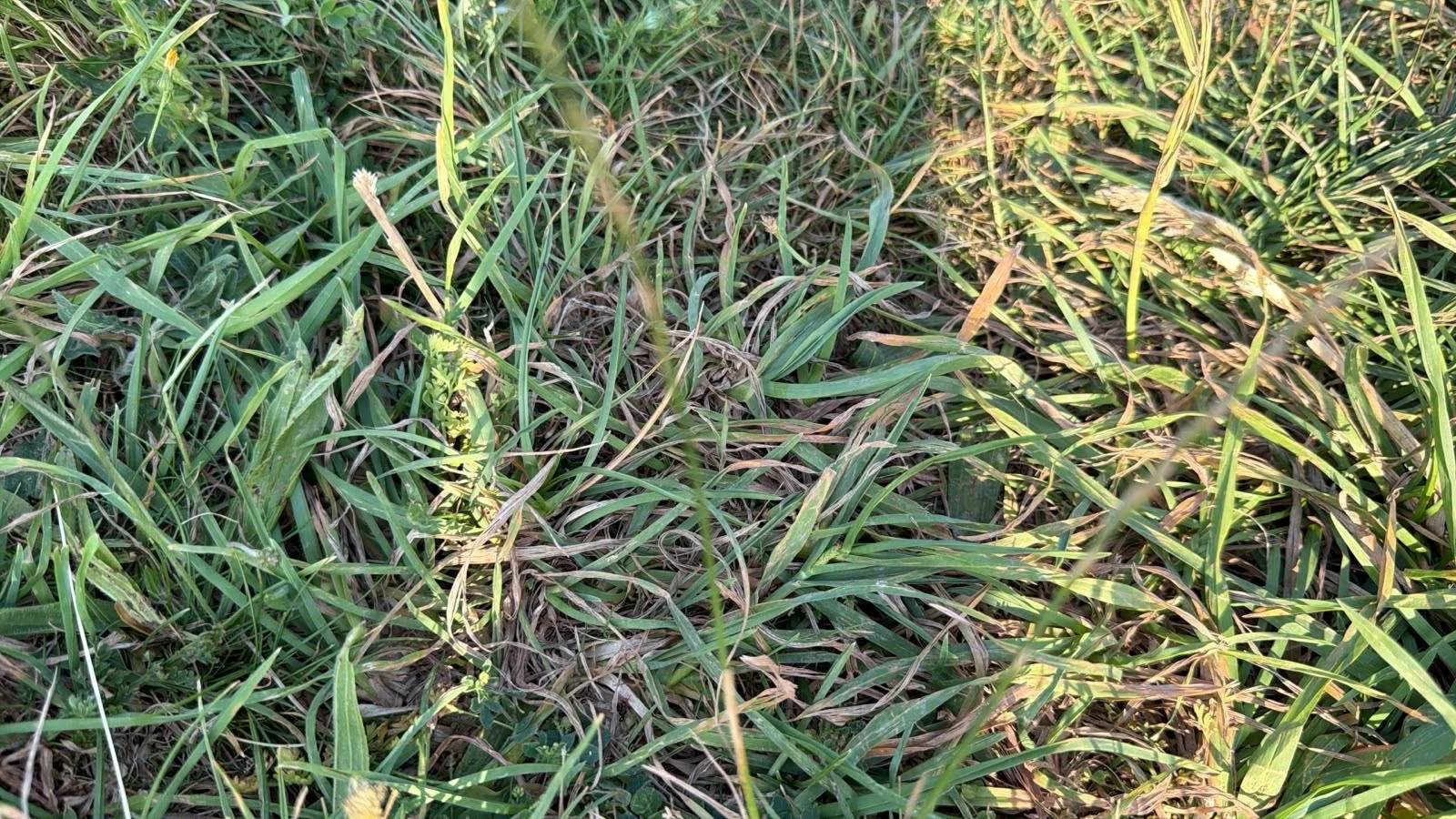
For decades, lawn care has focused on one thing: feeding the grass.
More fertiliser. More green-up. More growth.
But what if the secret to healthier, more resilient lawns isn't feeding the plant at all?
What if it's about feeding the soil?
As interest grows in regenerative gardening and biological lawn care, more people are beginning to realise that healthy lawns start beneath our feet. This is especially true on chalk-based soils, which can present unique challenges.
Understanding Chalk Soils
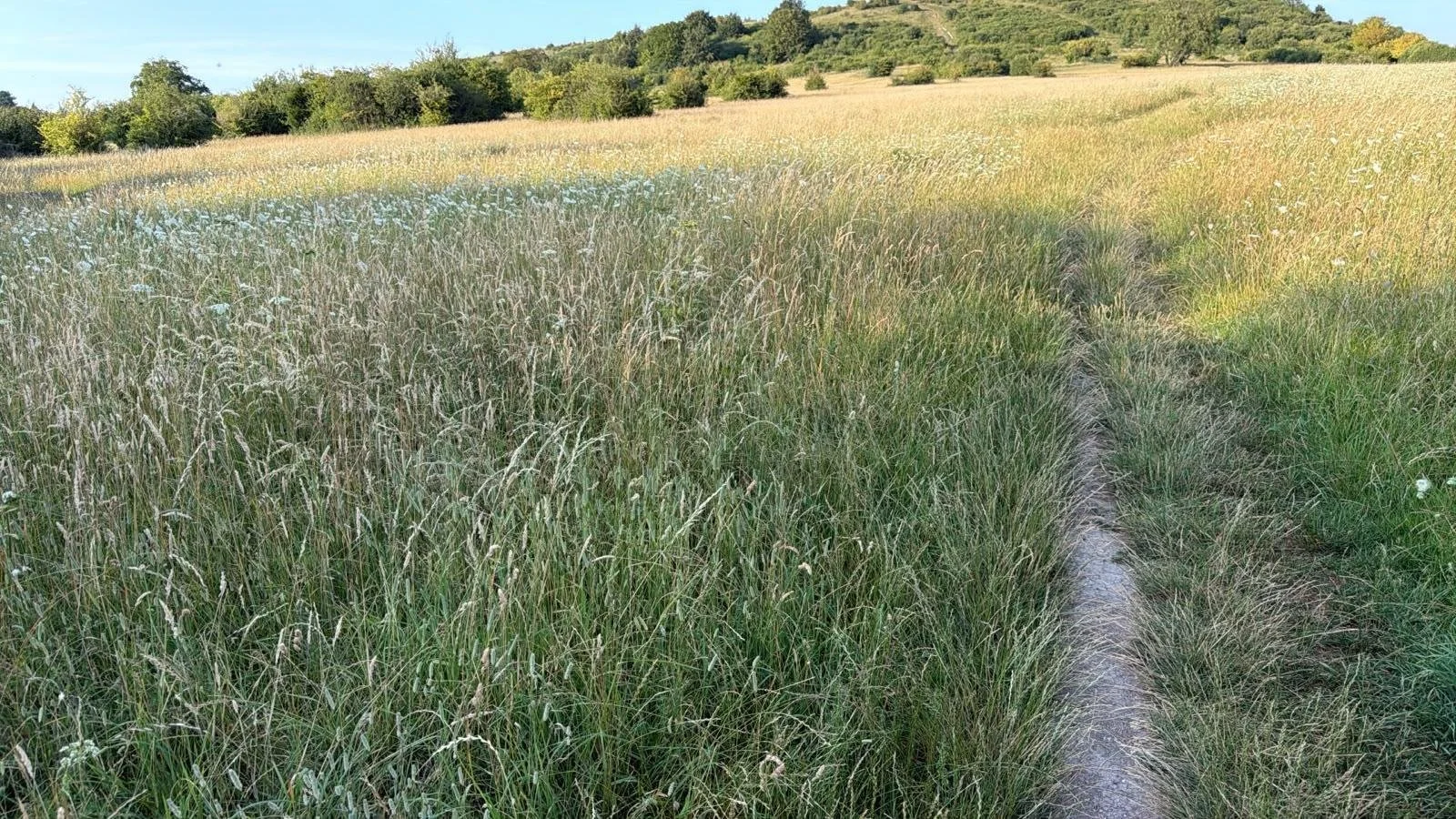
Chalk soils are typically:
✅ Free draining
✅ Calcium rich
✅ High pH
✅ Often low in organic matter
✅ Prone to drying out in summer
✅ Can become biologically inactive during periods of drought
The issue usually isn't a lack of nutrients.
It's a lack of stable organic matter and active biology.
Without organic matter, chalk soils struggle to:
retain moisture;
support microbial life;
cycle nutrients efficiently;
build resilient root systems.
This is where a biological approach can make all the difference.
The Missing Piece: Living Compost
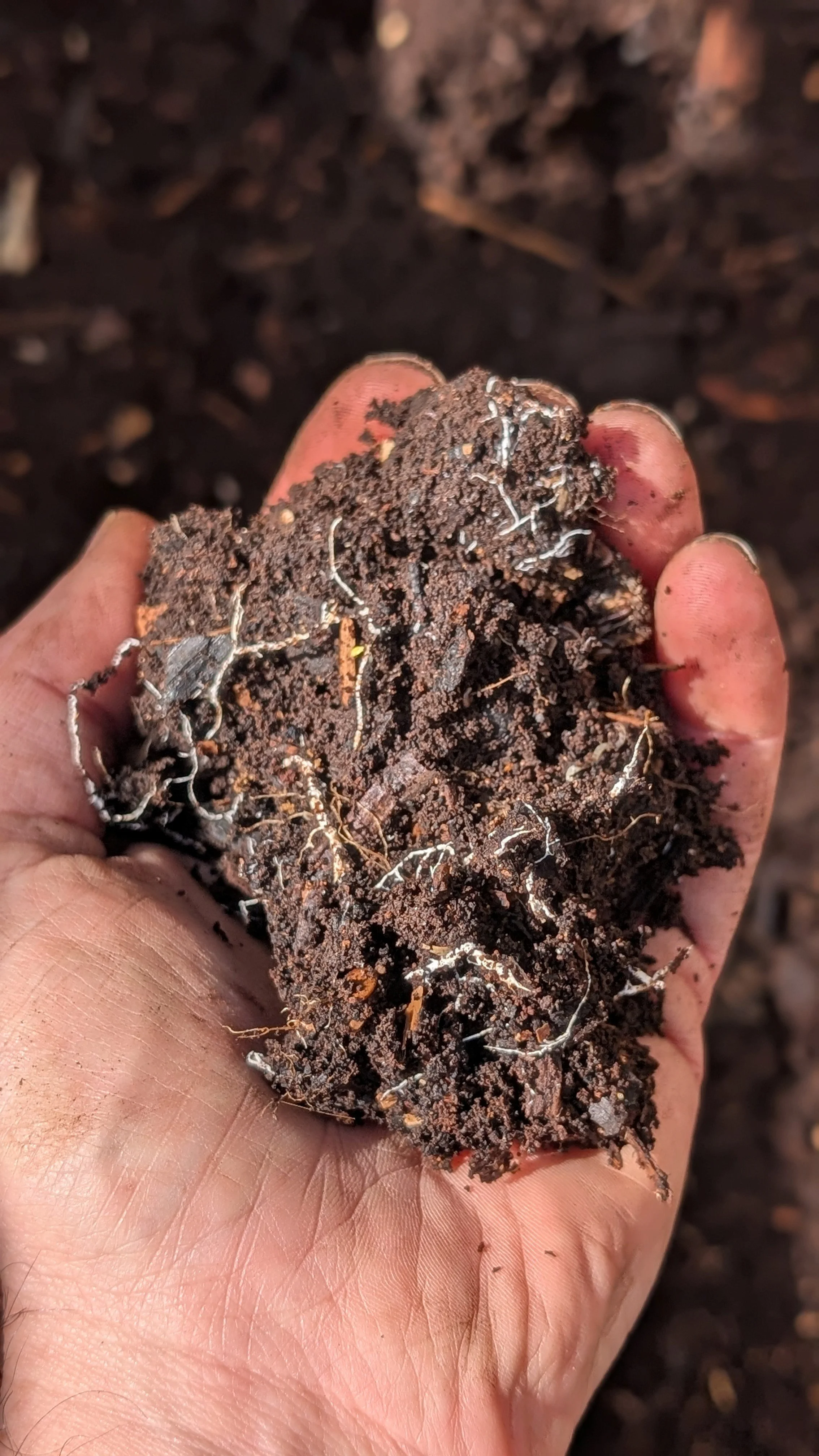
If there is one product that can transform a chalk lawn, it's living compost.
A good, biologically active compost brings:
🌱 Bacteria
🌱 Fungi
🌱 Protozoa
🌱 Organic matter
🌱 Humic substances
🌱 Moisture-holding capacity
You're effectively building a biological sponge on top of the chalk.
The goal isn't to replace your soil.
The goal is to gradually introduce the biology and carbon that your soil is missing.
Even a thin annual application can completely change how a lawn behaves over time.
The Agriton Approach to Chalk Lawns
Step 1: Aerate
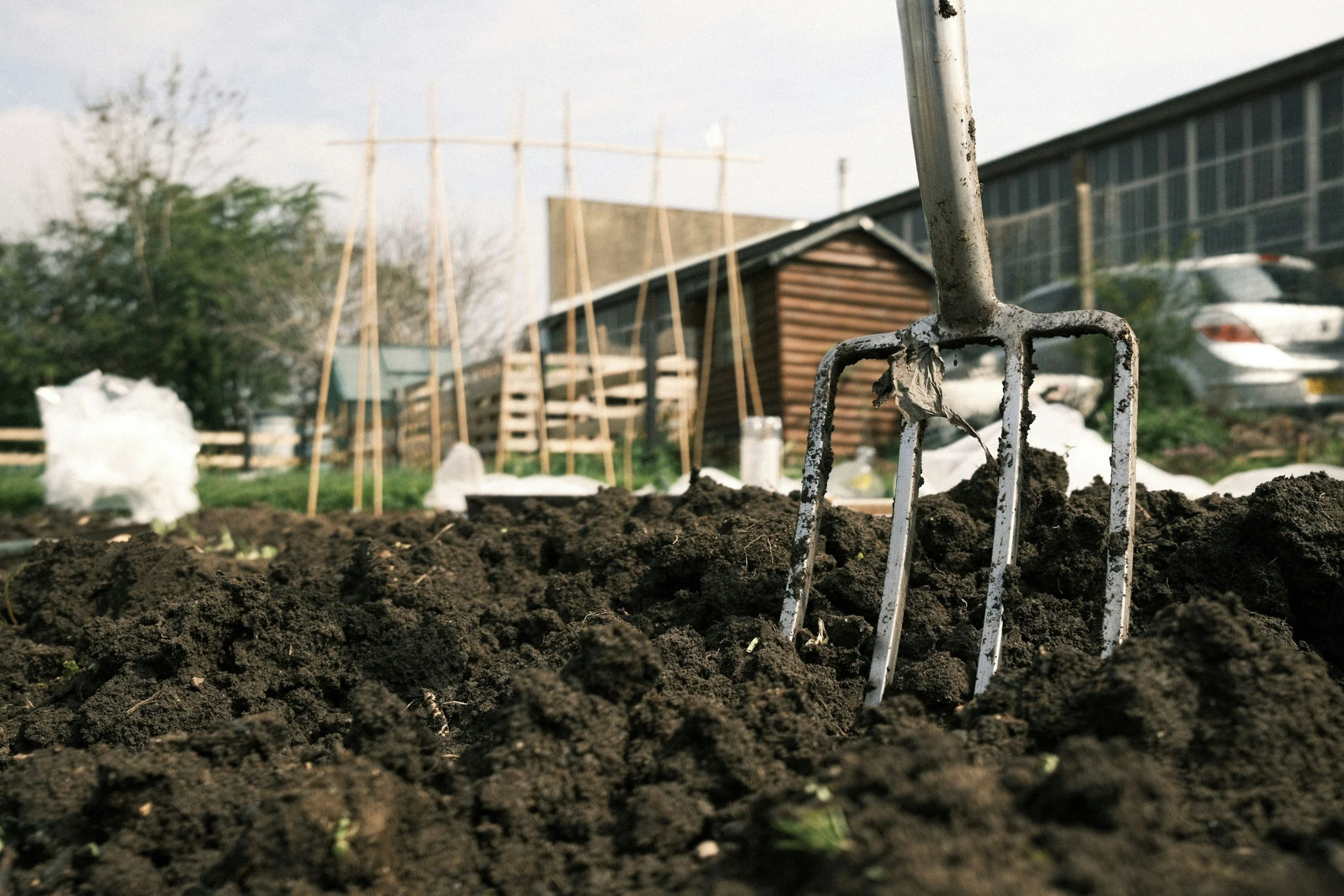
Open the soil.
Create channels for:
water;
oxygen;
roots;
microbes.
Compaction is often the hidden enemy of healthy lawns.
Step 2: Apply Living Compost
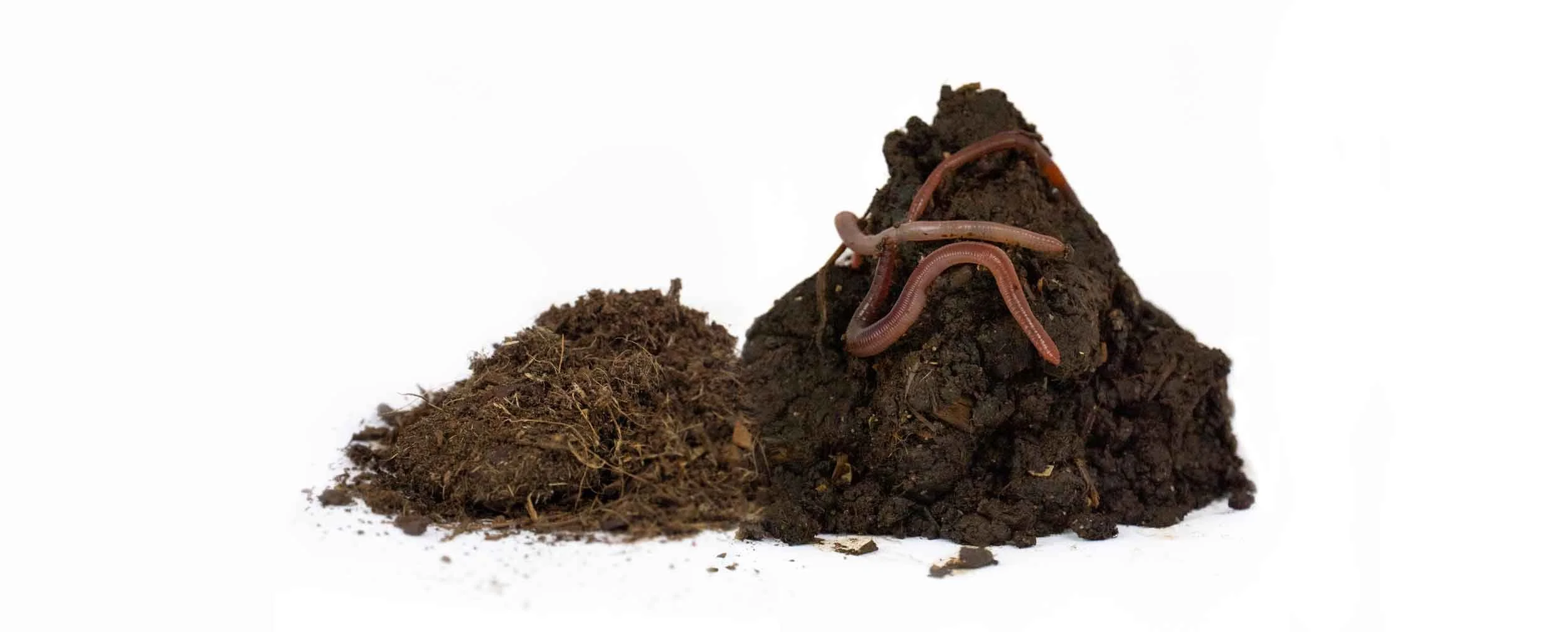
Recommended rate:
5-10 mm top dressing
Equivalent to approximately:
5-10 litres per square metre
50-100 m³ per hectare
A little every year is far more effective than one huge application every few years.
Step 3: Apply Actiferm
Once you've applied the compost, it's time to stimulate the biology.
Actiferm helps:
stimulate microbial activity;
encourage decomposition of organic matter;
establish biology around the root zone;
support nutrient cycling.
Recommended rate:
Domestic lawns
20-30 ml per litre of water.
Apply approximately:
1 litre of solution per 10 m².
Equivalent to:
20-30 litres of Actiferm per hectare.
Apply:
✅ after aeration
✅ onto moist soil
✅ before rainfall if possible.
Step 4: Leave the Grass Clippings
Every clipping is carbon.
Every clipping is food for soil biology.
Rather than exporting nutrients off the lawn, keep them cycling within the system.
Step 5: Reduce Synthetic Fertiliser
High nitrogen fertilisers can certainly produce a greener lawn, but they don't necessarily build the soil.
Instead:
Feed the soil and let the soil feed the plant.
Where Does EM-1 and Molasses Fit?
EM-1 and molasses can work extremely well as a compost activator.
Spraying activated EM onto living compost before application can help stimulate microbial activity and increase biological diversity.
It can also be used as an occasional soil drench during warm, moist conditions.
However, if we had to prioritise:
Living compost first.
Actiferm second.
EM-1 and molasses as an occasional biological boost.
A Simple Annual Programme
Spring
✔ Aerate
✔ Living compost (5-10 mm)
✔ Actiferm (20-30 L/ha)
Early Summer
✔ Actiferm (10-20 L/ha)
Late Summer
✔ Living compost tea or compost extract
✔ Actiferm (10 L/ha)
Autumn
✔ Aerate
✔ Living compost (2.5-5 mm)
✔ Actiferm (20-30 L/ha)
The Goal Isn't Greener Grass
The goal is:
🌱 Deeper roots
🌱 More earthworms
🌱 Higher organic matter
🌱 Better water retention
🌱 Greater drought resilience
🌱 A biologically active soil that becomes healthier every year
When you build the soil first, the lawn often takes care of itself.
Where Can You Buy Living Compost?
The most important thing is not necessarily the brand, but the quality and biology of the compost.
Look for:
✅ Mature, well-screened compost
✅ Rich earthy smell
✅ Visible fungal growth and aggregation
✅ Compost made from diverse feedstocks
✅ Low contamination levels
Potential sources include:
Local compost producers
Community composting schemes
Independent soil and compost suppliers
Market garden compost producers
Municipal PAS100 compost suppliers (although biological quality can vary considerably)
If possible, ask questions:
How was it made?
What feedstocks were used?
Has it been tested biologically?
Is it mature and stable?
The best compost isn't simply organic matter.
It's living biology in a bag.
Final Thoughts
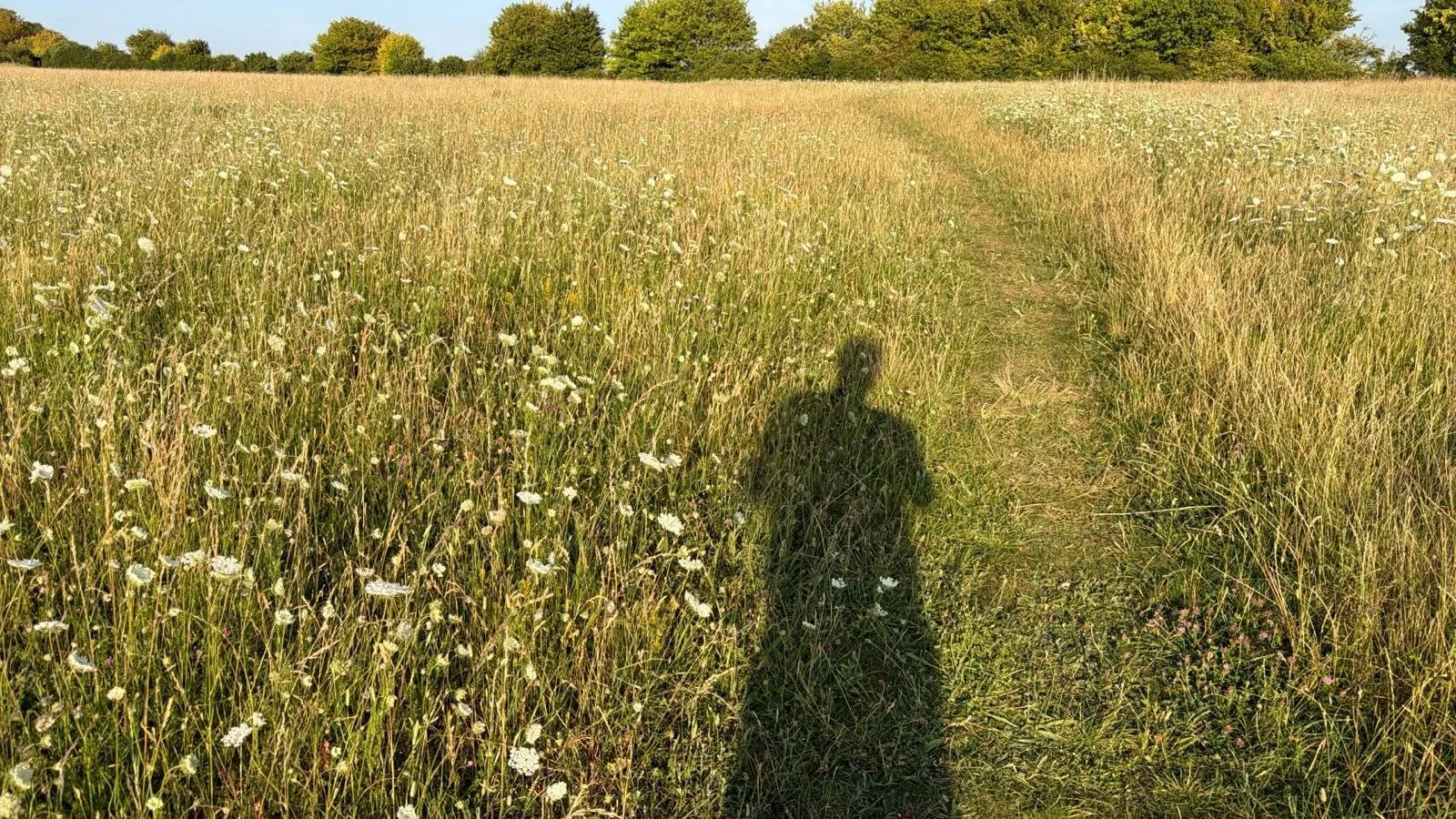
For many chalk lawns, the answer isn't more fertiliser.
It's more life.
By introducing living compost, supporting it with products like Actiferm and keeping carbon cycling through the system, we can begin to rebuild the soil from the ground up.
Because the future of lawn care isn't about growing more grass.
It's about growing better soil.
Healthy lawns begin with living soils. 🌱
