
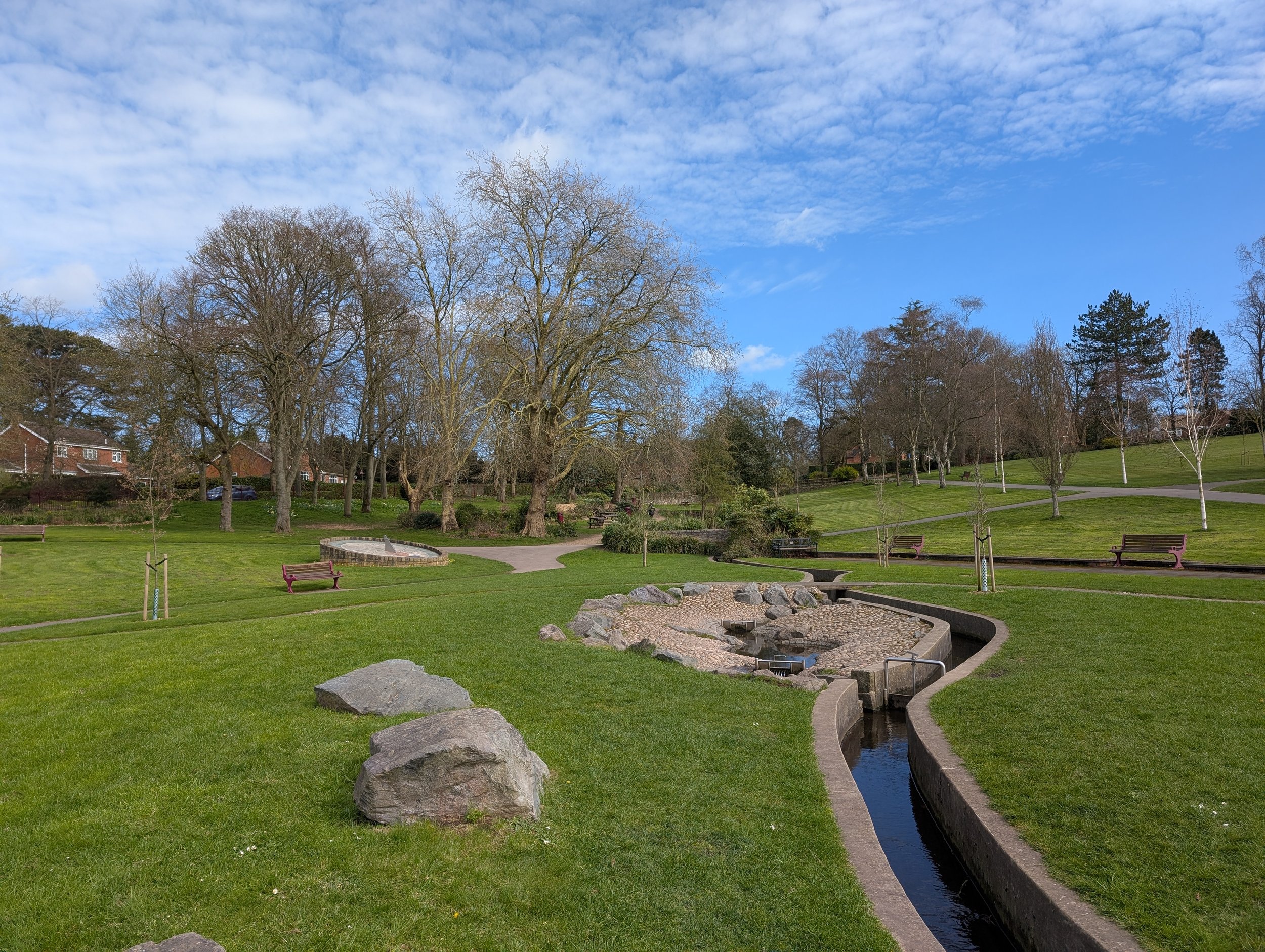
Across the UK, councils are under increasing pressure to deliver cleaner, greener public spaces. The Green Flag Award sets the benchmark—but maintaining that standard year after year is where the real challenge begins.
Because behind every “well-managed park” sits a hidden problem:
👉 What happens to all the green waste?
Grass clippings, prunings, leaves—most of it still leaves site. Transported. Processed. Stripped of value.
That’s not a circular system. That’s leakage.
The Problem: Green Flag Standards vs. Linear Waste Systems
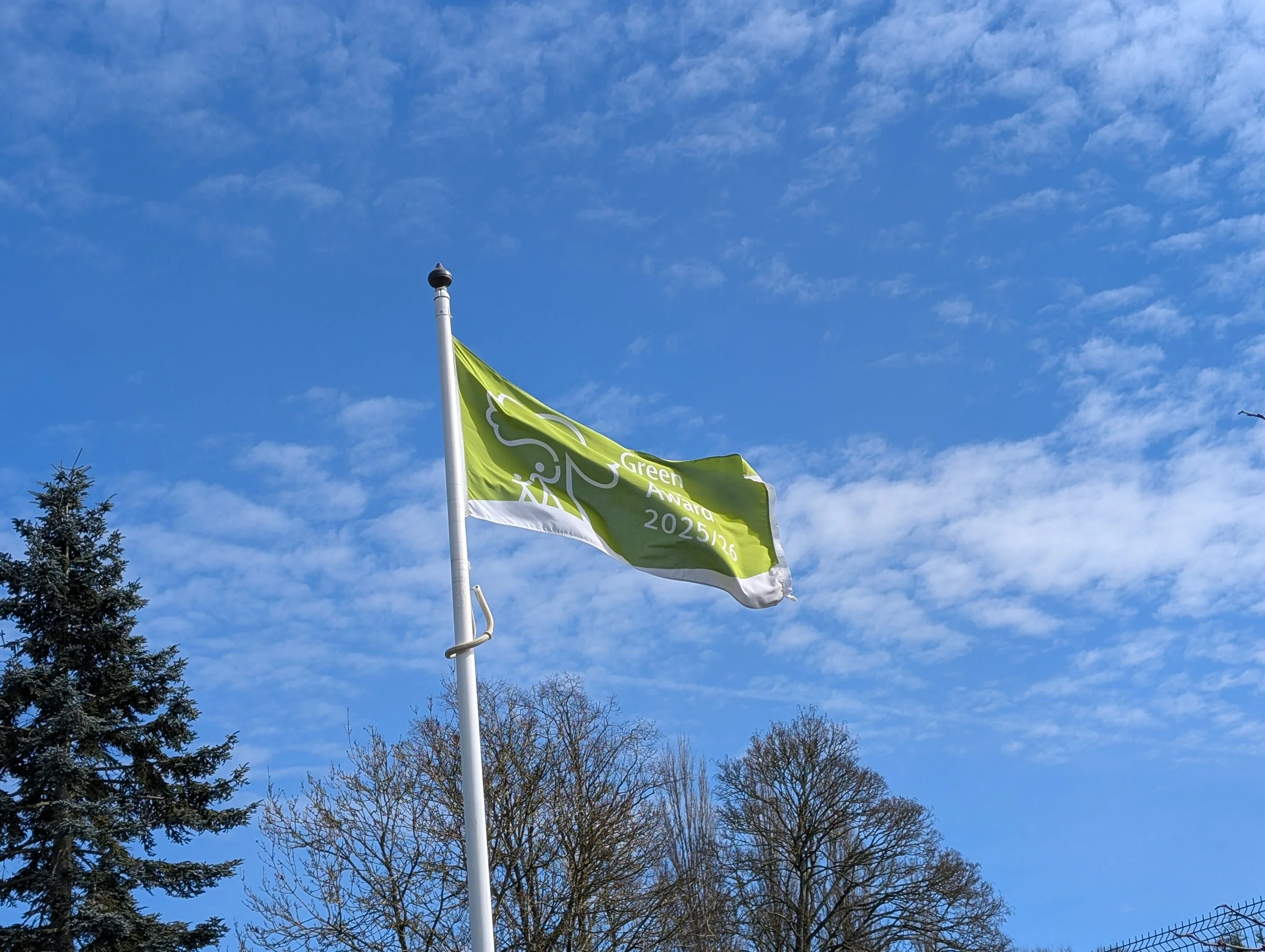
Green Flag assessments don’t just look at how a park looks—they dig into:
Environmental management
Sustainability practices
Community engagement
And this is where many councils hit a wall.
Traditional composting:
Requires labour-intensive turning
Often becomes logistically complex onsite
Leads to nutrient and carbon loss during decomposition
Pushes councils toward offsite solutions
So despite best intentions, valuable organic material gets treated as waste—not a resource.
The Shift: Eureka Park’s Onsite Bokashi Pilot
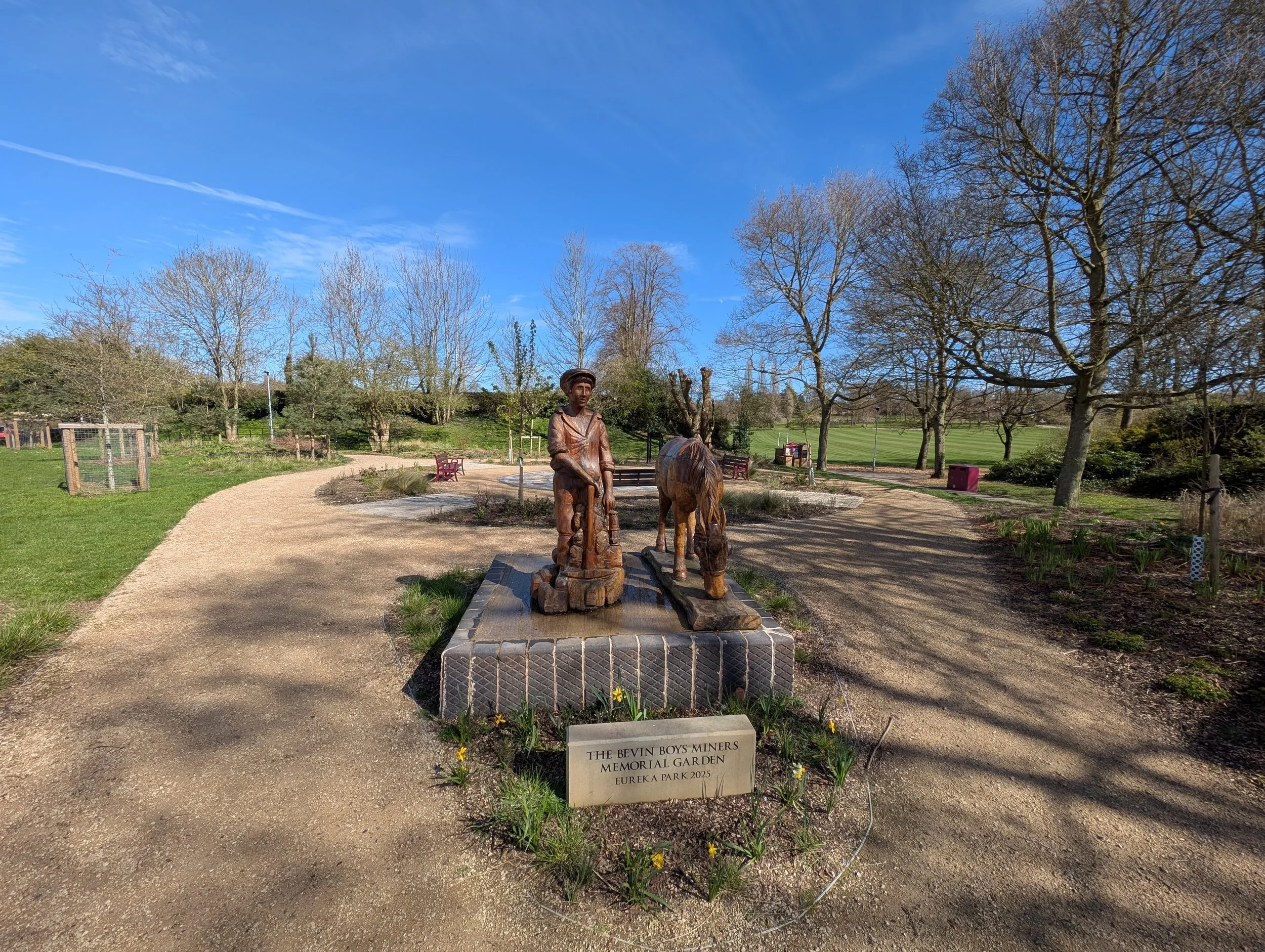
At Eureka Park (South Derbyshire District Council), that thinking is being challenged.
Instead of exporting green waste, the council is trialling a Bokashi-based onsite system—a fermentation approach that flips the model:
👉 Keep nutrients local
👉 Reduce labour
👉 Build soil where it’s needed
This isn’t theory. It’s practical, scalable, and designed around real council constraints.
The Solution: A “No-Turn” Composting System
Here’s the key shift:
From composting → to fermentation
Traditional composting:
Oxygen-heavy (aerobic)
Requires turning
Burns off carbon as CO₂
Bokashi fermentation:
Mostly anaerobic
No turning required
Retains nutrients and organic matter
Research comparing the two shows that fermentation systems are designed specifically to retain more nutrients in the final material, rather than losing them during breakdown .
Why This Matters for Councils
1. Labour Drops Immediately
Turning compost is one of the biggest operational barriers.
With Bokashi:
No turning schedules
No machinery coordination
No “missed window” issues
That’s a direct saving in time, staffing, and cost.
2. Nutrients Stay in the Park
Instead of exporting green waste and importing compost:
👉 The park becomes its own fertility engine
Bokashi works by:
Pre-digesting organic matter
Feeding soil microbes directly
Increasing nutrient availability for plants
This is feeding the soil food web, not just disposing of waste.
3. Better Soil = More Resilient Parks
Councils are dealing with:
Drought → flooding cycles
Compacted soils
Declining biodiversity
Improving organic matter changes everything:
Better water retention
Increased microbial activity
Stronger, more resilient planting systems
Long-term trials show Bokashi contributes to maintaining soil organic matter and supporting soil fertility over multiple seasons .
4. Biodiversity Benefits (Without Extra Effort)
Because the system is non-turn, it creates:
Stable habitats for soil organisms
Less disturbance for insects and worms
Natural fungal networks (mycelium) to establish
In other words:
👉 The biology gets time to build—not get disrupted.
Changing the Narrative: From “Messy” to “Functional”
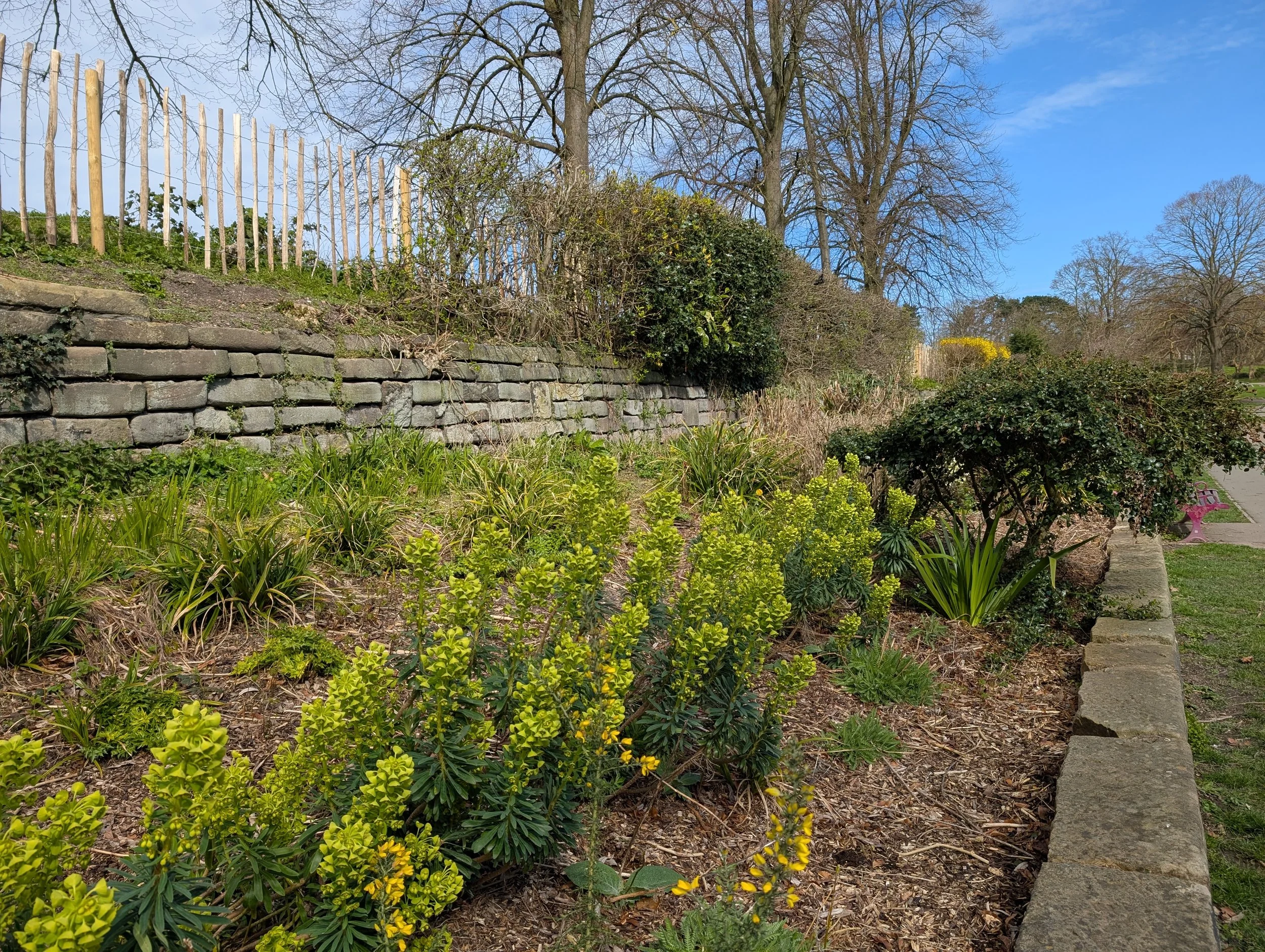
One of the biggest barriers isn’t technical—it’s cultural.
To the public, a “good park” often means:
Clean edges
No visible waste
Tidy beds
But ecology doesn’t work like that.
At Eureka Park, the approach includes:
Cut-and-drop systems
Visible composting bays
Educational signage explaining what’s happening underground
This reframes the conversation:
👉 It’s not messy. It’s working soil.
Community Engagement: The Real Green Flag Opportunity
Here’s where this really scales.
Instead of hiding waste systems, councils can:
Involve volunteer gardening groups
Educate residents on home systems
Demonstrate circular economy in action
Because Bokashi is:
Simple
Low-cost
Replicable at home or community level
It becomes a bridge between council operations and public behaviour.
The Bigger Picture: Closing the Loop
Most waste systems are still linear:
Soil → Plants → Waste → Removed
What Eureka Park is building is circular:
Soil → Plants → Organic material → Fermentation → Back to soil
And that shift matters.
Because:
Organic material isn’t waste
It’s stored fertility, carbon, and biology
Final Thought: Green Flag is the Starting Point—Not the Goal
The Green Flag Award highlights excellence.
But the next step is deeper:
👉 Moving from managing landscapes to regenerating them
Onsite Bokashi systems show what that looks like in practice:
Less waste
Lower costs
Healthier soils
Engaged communities
And most importantly:
👉 A park that doesn’t just look good… but functions like a living ecosystem
Want to explore this for your council or site?
We’re already working with councils, schools, and community spaces to:
Set up simple pilots
Train teams
Design systems that actually work day-to-day
No overcomplication. Just practical, biological solutions.
🌱 Let’s start feeding the feeders.
If you want, I can turn this into:
SEO version (meta, keywords, slug)
LinkedIn thought leadership post
Council proposal / PDF pitch deck
