
Food Waste Action Week: The School That Refused to Treat Food Like Rubbish
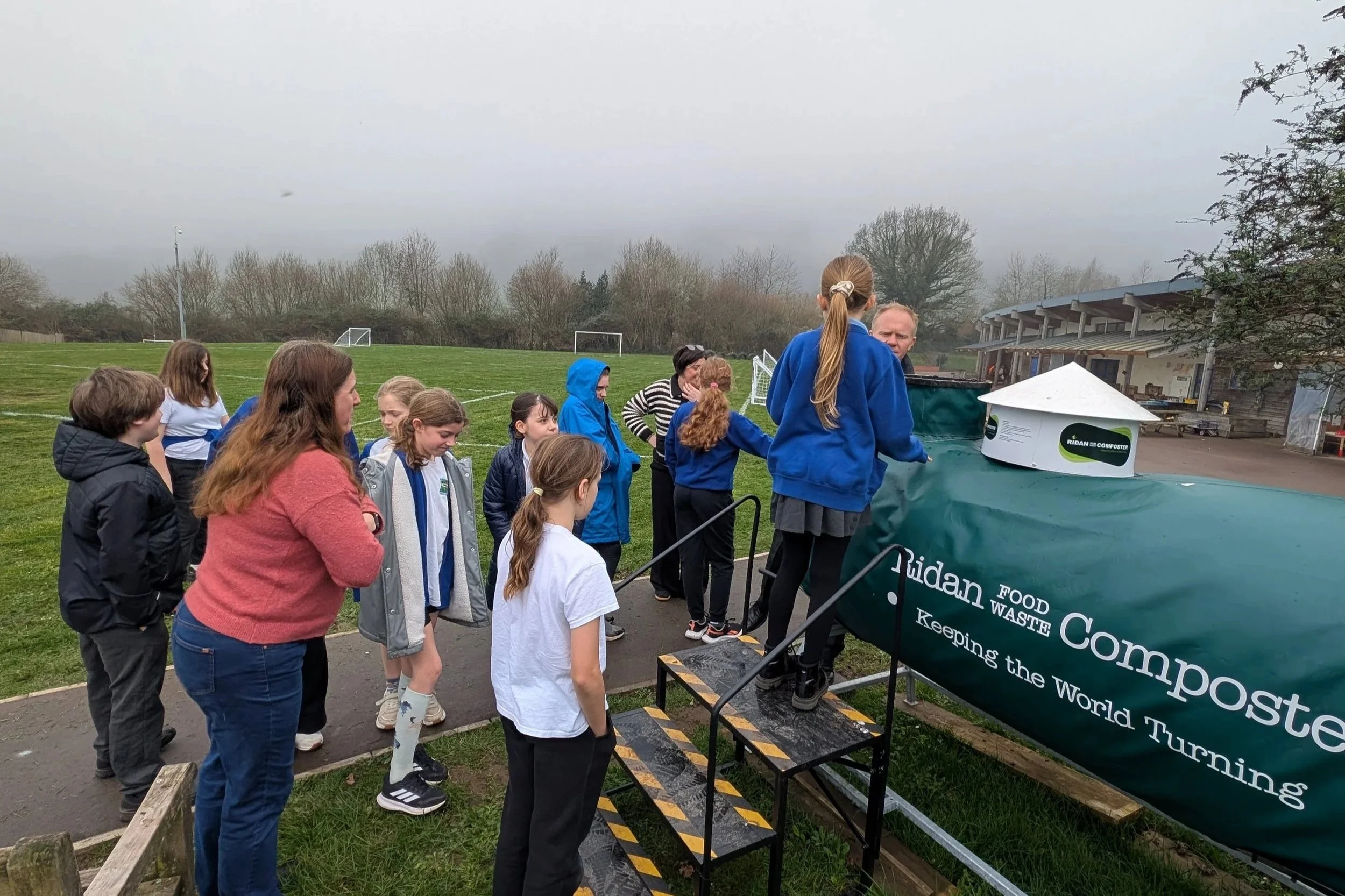
What Llanfoist Fawr Primary School in Wales is teaching the rest of us
Walk into most school canteens at the end of lunch and you’ll see something uncomfortable.
Whole oranges.
Half jacket potatoes.
Perfectly edible food scraped straight into a bin.
Not because children are careless.
Not because schools don’t care.
Because the system is broken.
During Food Waste Action Week, one school in Wales is quietly showing how to fix it.
And they’re doing it with a compost bin.
The Food Waste Nobody Wants to Talk About
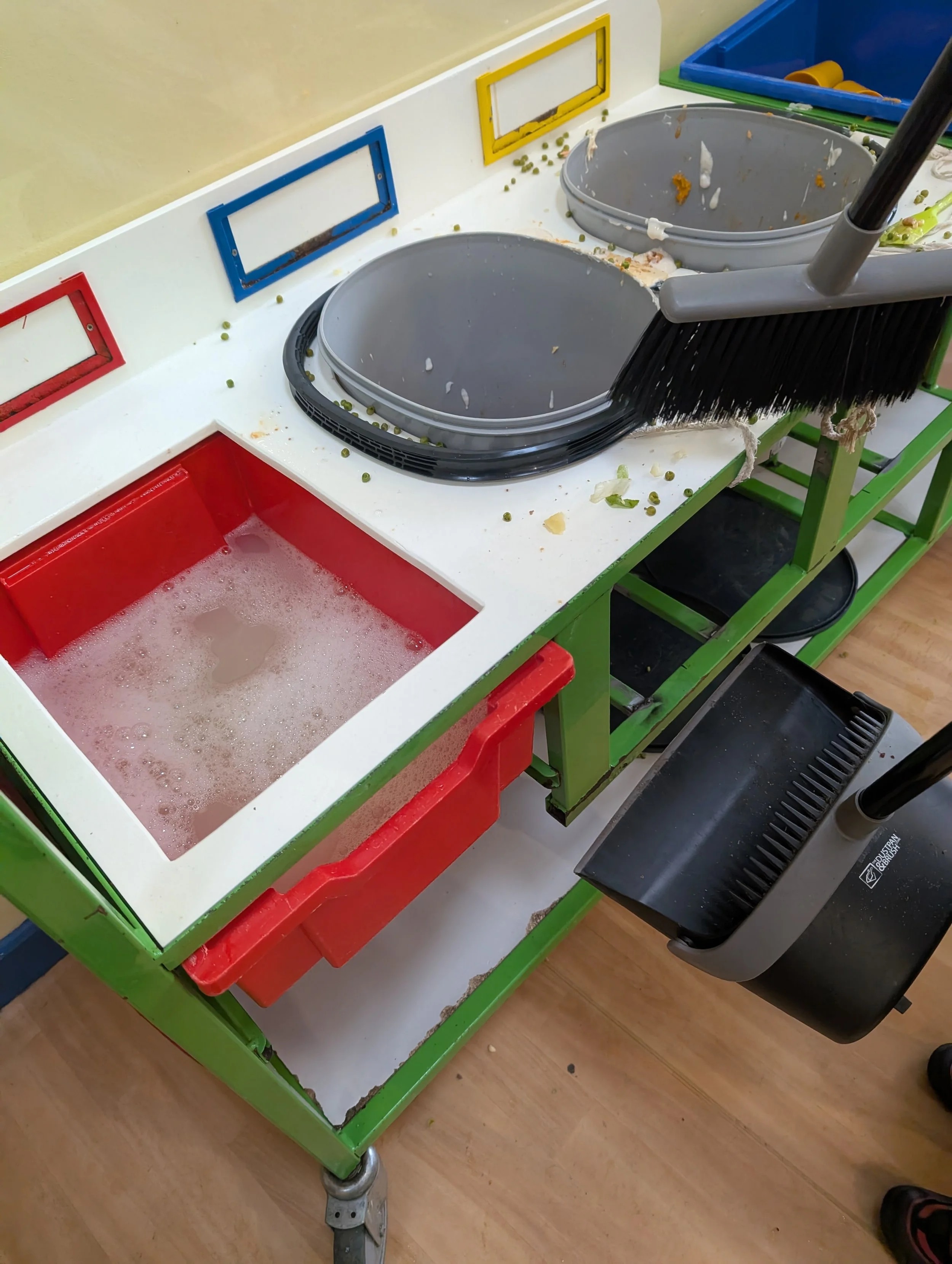
At Llanfoist Fawr Primary School in Abergavenny, staff started noticing something many schools see but rarely challenge.
A four-year-old child receives the same portion size as an eleven-year-old.
Same oranges.
Same potatoes.
Same servings.
The result?
Waste.
Not scraps.
Whole food.
Headteacher Stuart Davis explains the problem clearly:
“We’re seeing huge half jacket potatoes and whole oranges coming back. The current guidelines give the same portion sizes for children aged four to eleven. That simply doesn’t make sense.”
So the school did something unusual.
They didn’t just complain about waste.
They decided to show the system the problem.
Meet the “Big Friendly Composter”
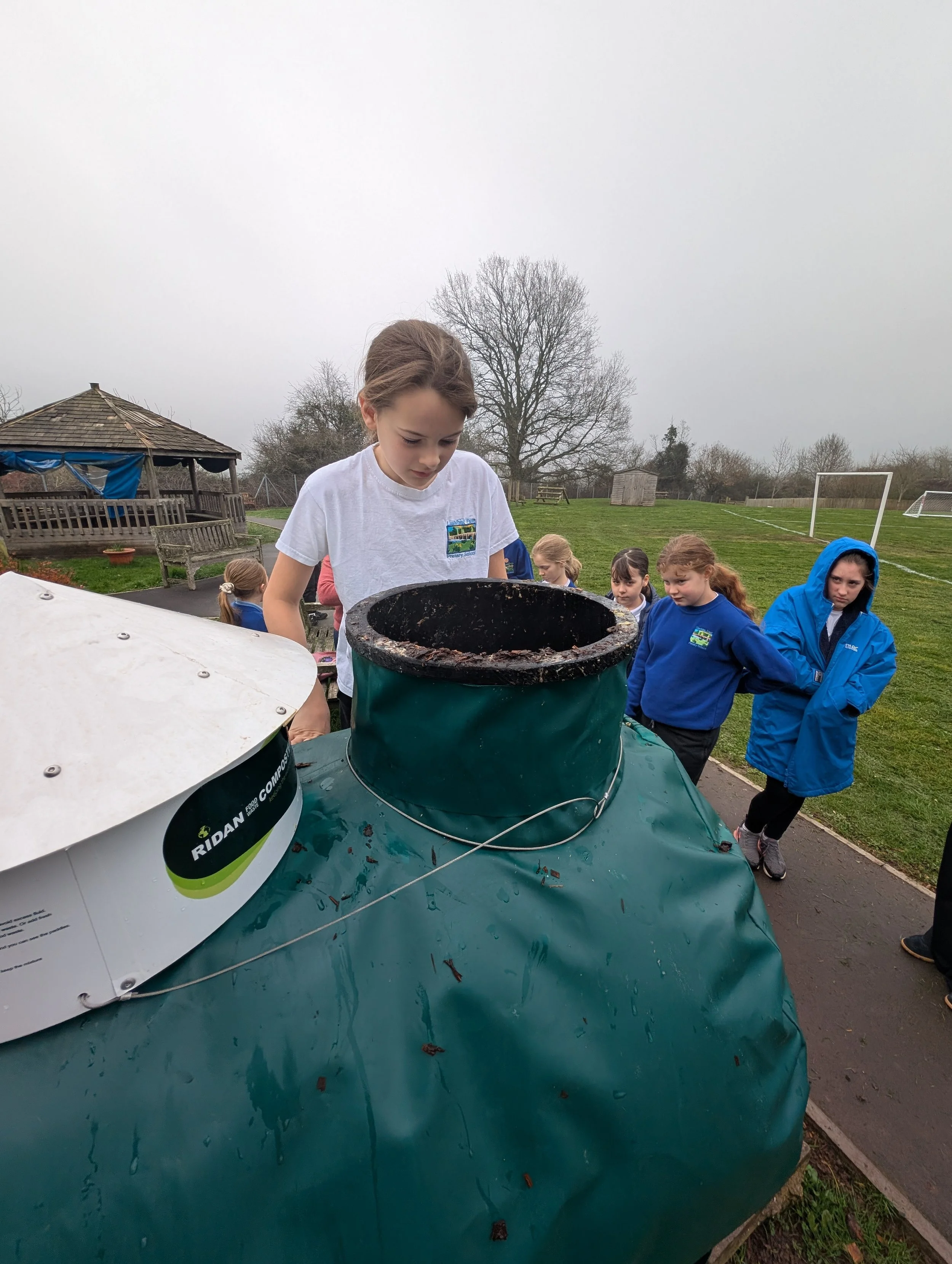
The pupils call it the Big Friendly Composter.
Behind the friendly name is something powerful: a Ridan aerobic composting system, supported with Bokashi fermentation to safely process cooked food waste.
Instead of food waste leaving the school in a truck, it now stays on site.
Food scraps become:
Compost
Soil
Life
And eventually…
vegetables and flowers grown by the children themselves.
The Most Important Part of This Project
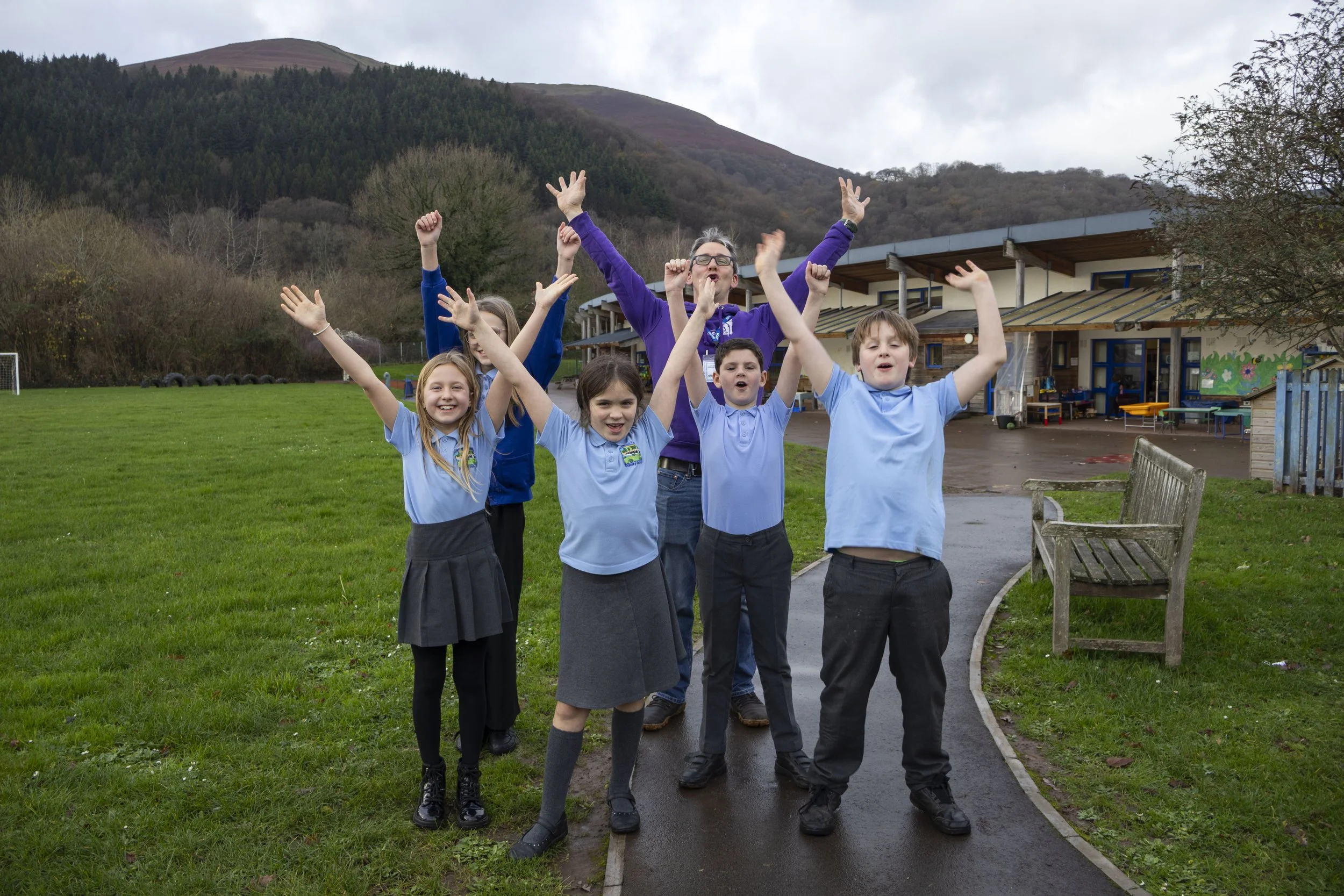
It wasn’t started by adults
The idea came from the school’s Eco Committee.
The children themselves noticed the amount of food being thrown away.
They asked a simple question:
“Why are we throwing this away?”
So they helped create a solution.
This is important.
Because sustainability programmes designed for children rarely work.
But programmes designed by children change everything.
The result?
Eight weeks in:
The compost system is running at around 50°C, climbing toward the ideal 55°C+ needed for rapid composting.
Students are monitoring the system.
They’re learning about biology, soil life, and waste systems in real time.
The bin has become a living science lesson.
But Composting Isn’t the First Solution
The school realised something else quickly.
Composting an orange is good.
Eating it is better.
So they introduced something brilliantly simple:
The Fruit Bowl
If a child doesn’t want their fruit, it goes into a shared fruit bowl.
Another child can take it.
No waste.
No cost.
No technology.
Just common sense.
Sometimes the best environmental innovation is simply permission to share.
Bokashi: The Microbes Doing the Hard Work
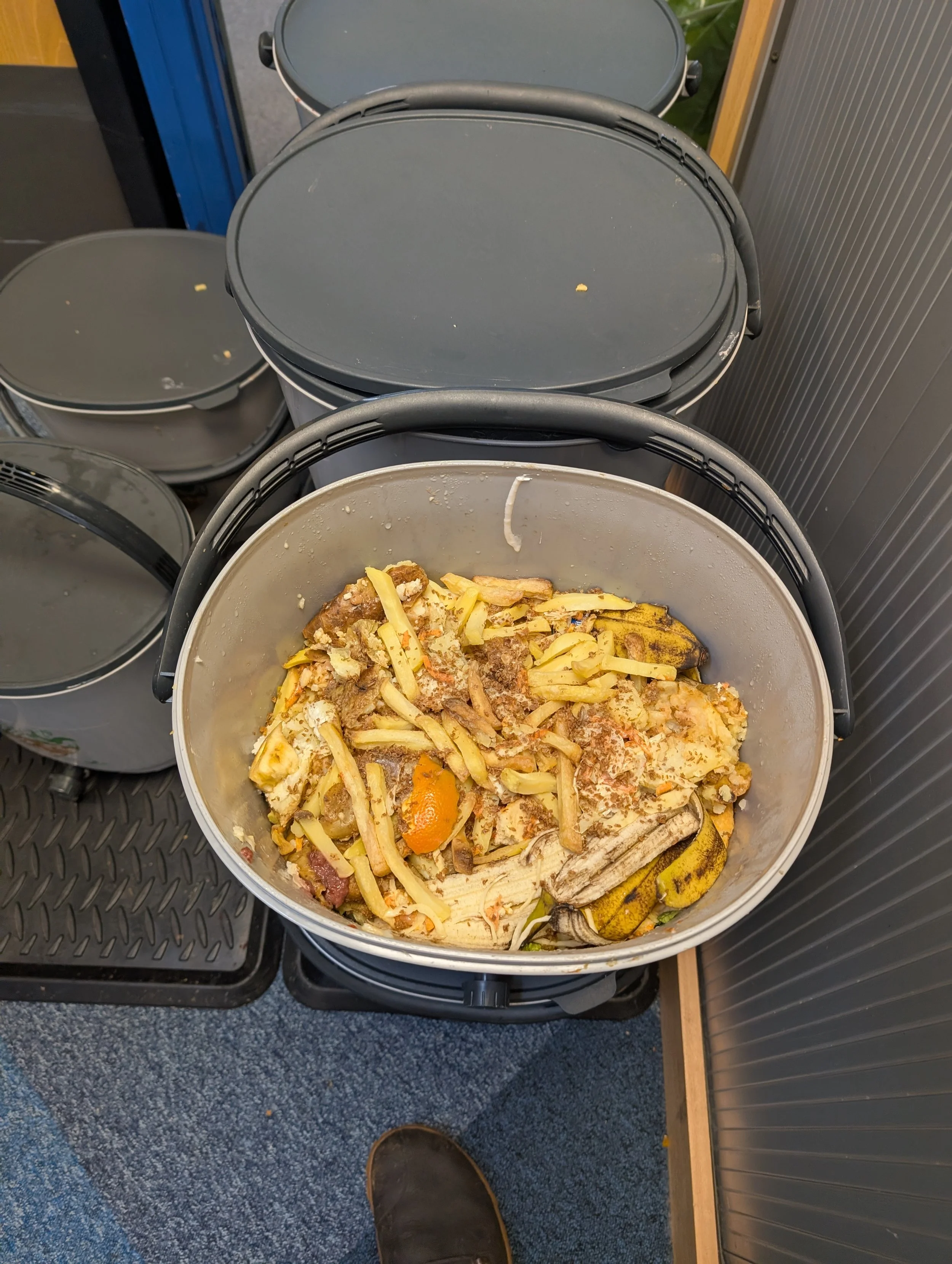
One of the big fears around school composting is smell.
Or rats.
Or hygiene.
But the system at Llanfoist uses Bokashi bran, which introduces beneficial microbes that ferment food waste before composting.
Instead of rotting food, you get:
Fermentation
Acidification
Rapid microbial breakdown
The result?
No smell.
No pests.
No landfill.
Just a microbial process turning food waste into soil.
The Real Lesson Isn’t Compost
The real lesson here is system agitation.
Small actions that force larger systems to rethink how they operate.
A primary school compost bin may seem small.
But it raises big questions:
Why are portion sizes the same for children aged 4 to 11?
Why is edible food being thrown away in the first place?
Why do we treat food as waste rather than a resource?
The school has already written to local MPs and about portion sizing policy.
Because preventing waste must always come before managing waste.
What Happens Next?
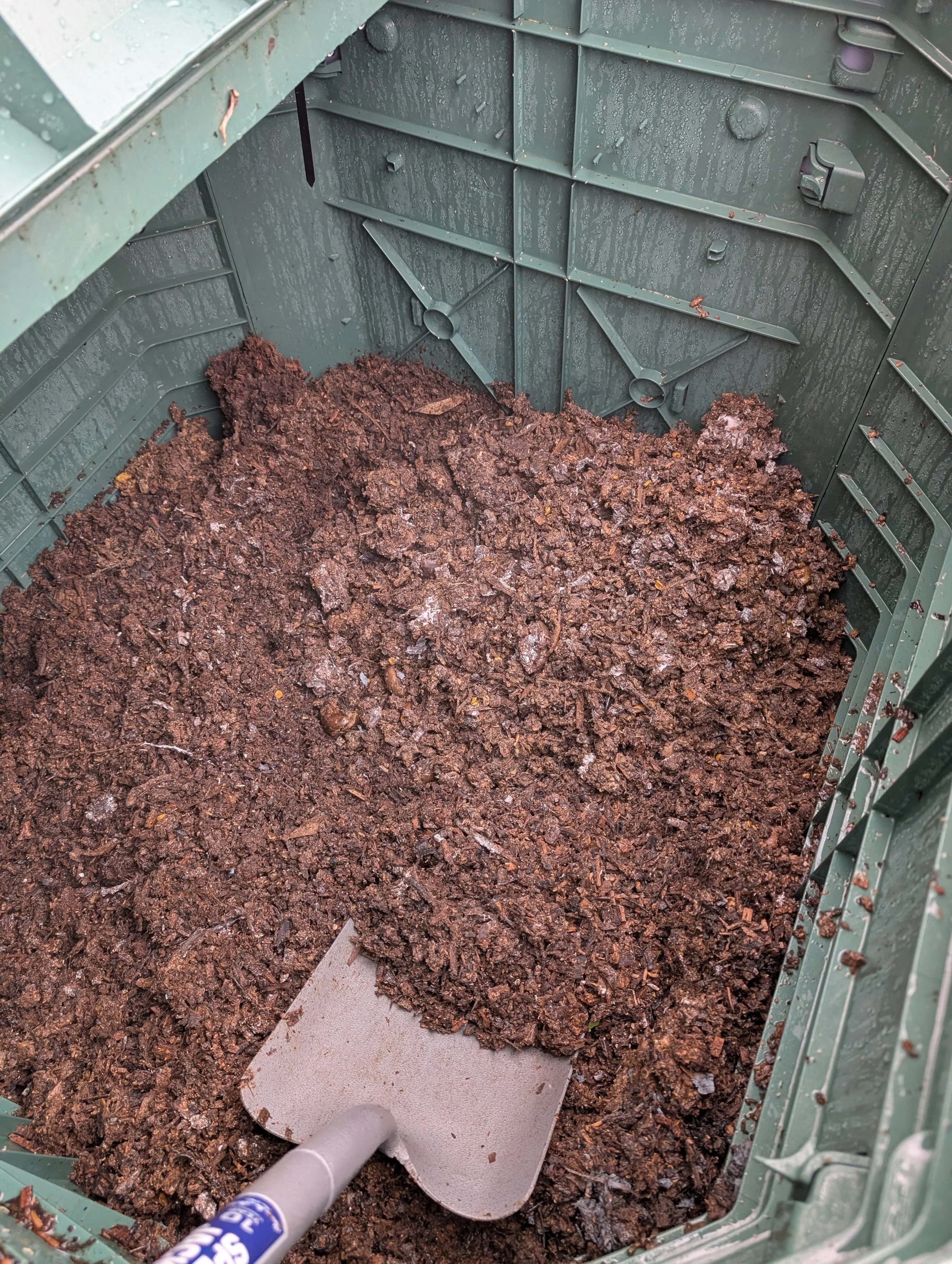
In a few months, the compost will be ready.
The children will use it to grow:
Vegetables
Flowers
Food
Closing the loop completely.
From lunch plate…
to compost…
to soil…
to food again.
That is the circular economy in action.
Not in a policy paper.
But in a school playground.
What Food Waste Action Week Should Really Be About
Campaign weeks are useful.
But the real change happens when people stop thinking about waste as a disposal problem.
And start asking:
Why did this become waste in the first place?
Llanfoist Fawr Primary School isn’t just composting food.
They’re teaching something far more important:
Food is not rubbish.
It is biology waiting to happen.
The Bigger Question
If one primary school can start closing the loop…
What could your school, workplace, or community do?
Because real change rarely starts with governments.
It starts with people refusing to accept a broken system.
And sometimes…
It starts with a Big Friendly Composter.
Food Waste Action Week reminds us that food waste is not inevitable.
It’s a design flaw.
And like all design flaws…
It can be fixed.
If you would like to set up something similar, please contact info@agriton.co.uk
