
How UK Households Can Compost Food Waste at Home: Bokashi Fermentation and the Future of Local Recycling
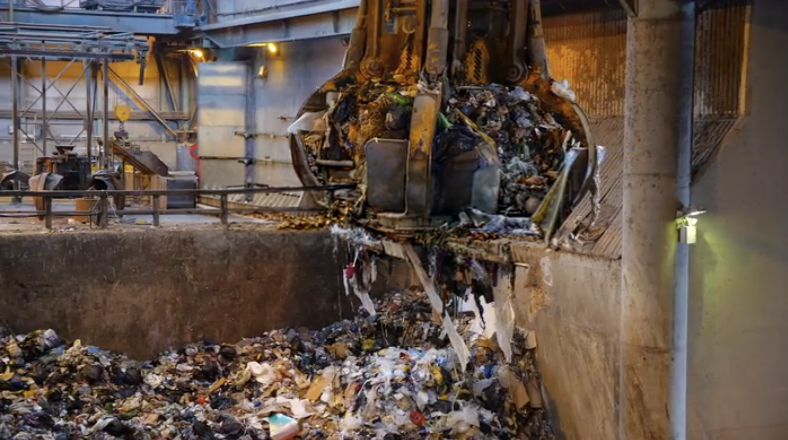
Enough Is Enough: The UK Needs Better Options for Food Waste
Next week is Food Waste Action Week, and the message we’ll hear everywhere is simple:
Waste less food.
That’s absolutely the right starting point.
But there’s another question we need to ask in the UK — one that rarely gets discussed.
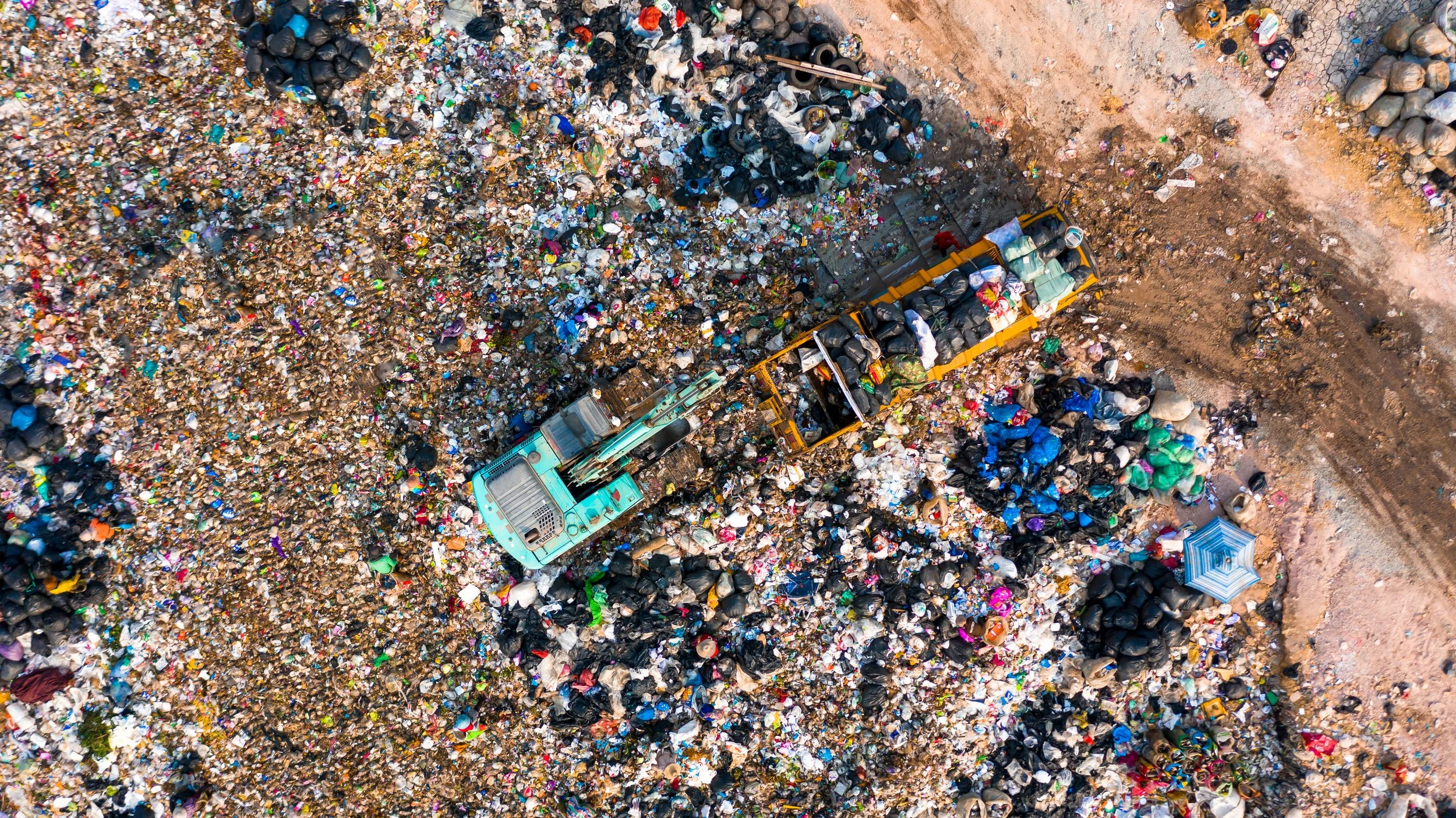
What do we do with the food waste that is unavoidable?
Because even the most careful households still produce peelings, bones, coffee grounds, expired leftovers and plate scrapings.
Yet our national conversation tends to assume the only “serious” solutions are:
Send it to anaerobic digestion plants
Burn it through incineration
Or historically, let it leak into landfill
For a country that talks a lot about circular economies and soil health, that should feel like a pretty narrow toolkit.
Food waste isn’t rubbish.
It’s carbon, nutrients, and microbial food.
The UK Food Waste Reality
The scale of the issue is significant.
According to a UK Parliament briefing, the UK generated 10.7 million tonnes of food waste in 2021, with households responsible for around 60% of that total.
WRAP also estimates that household food waste is linked to around 16 million tonnes of CO₂e emissions.

And a huge portion still ends up in the black bin, meaning it is usually incinerated or landfilled.
Meanwhile government waste statistics show that incineration is now used for roughly half of all local authority collected waste in England.
So while we talk about recycling food waste, millions of tonnes of organic material are still leaving homes as rubbish rather than returning to soil.
Policy Is Moving — But It’s Not the Whole Answer
The UK government’s Simpler Recycling reforms aim to introduce consistent food waste collections for households, including flats.
That’s progress.
But it still assumes the household’s job is simply to put food waste outside in a bin and let the system deal with it.
And that mindset misses something important.
Food waste isn’t just a waste management issue.
It’s a biological cycle.
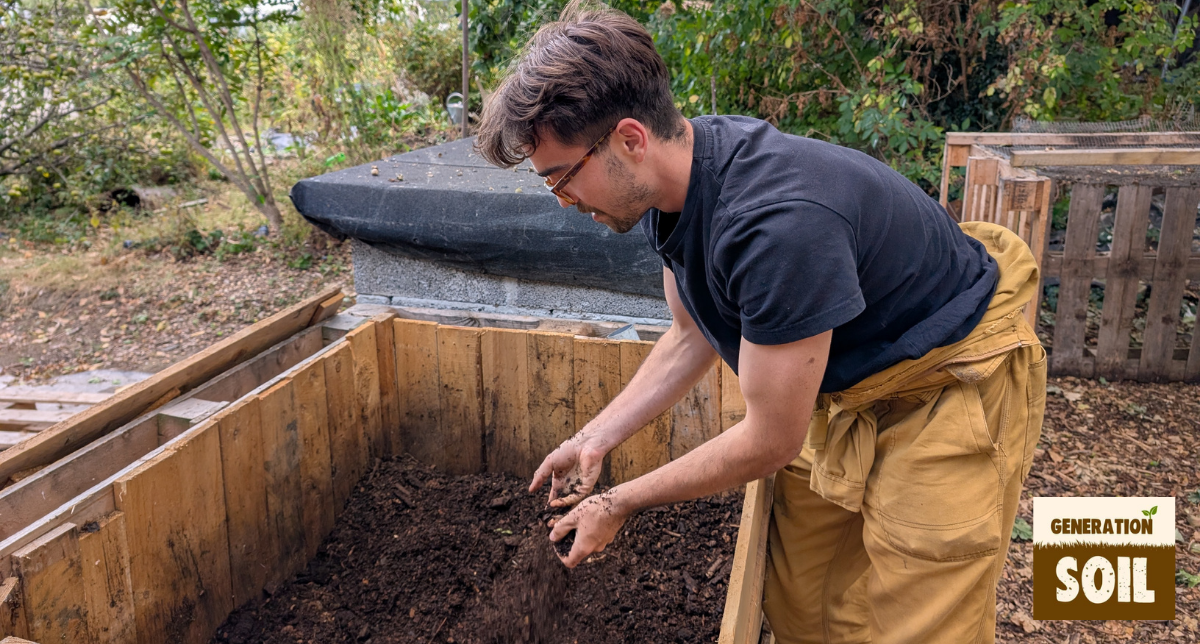
Generation Soil - Bristol
The Missing Middle: Household Fermentation + Community Composting
There’s an option that rarely gets discussed in UK waste policy conversations.
Local biological recycling.
One practical way to unlock that is fermentation systems (often known as Bokashi-style composting).
Instead of food waste rotting in a kitchen caddy, it ferments in a sealed container using beneficial microbes.
This approach:
prevents smells
discourages pests
stabilises the material
makes storage easier in small homes
Which makes it particularly useful for:
flats
urban housing
small kitchens
dense neighbourhoods
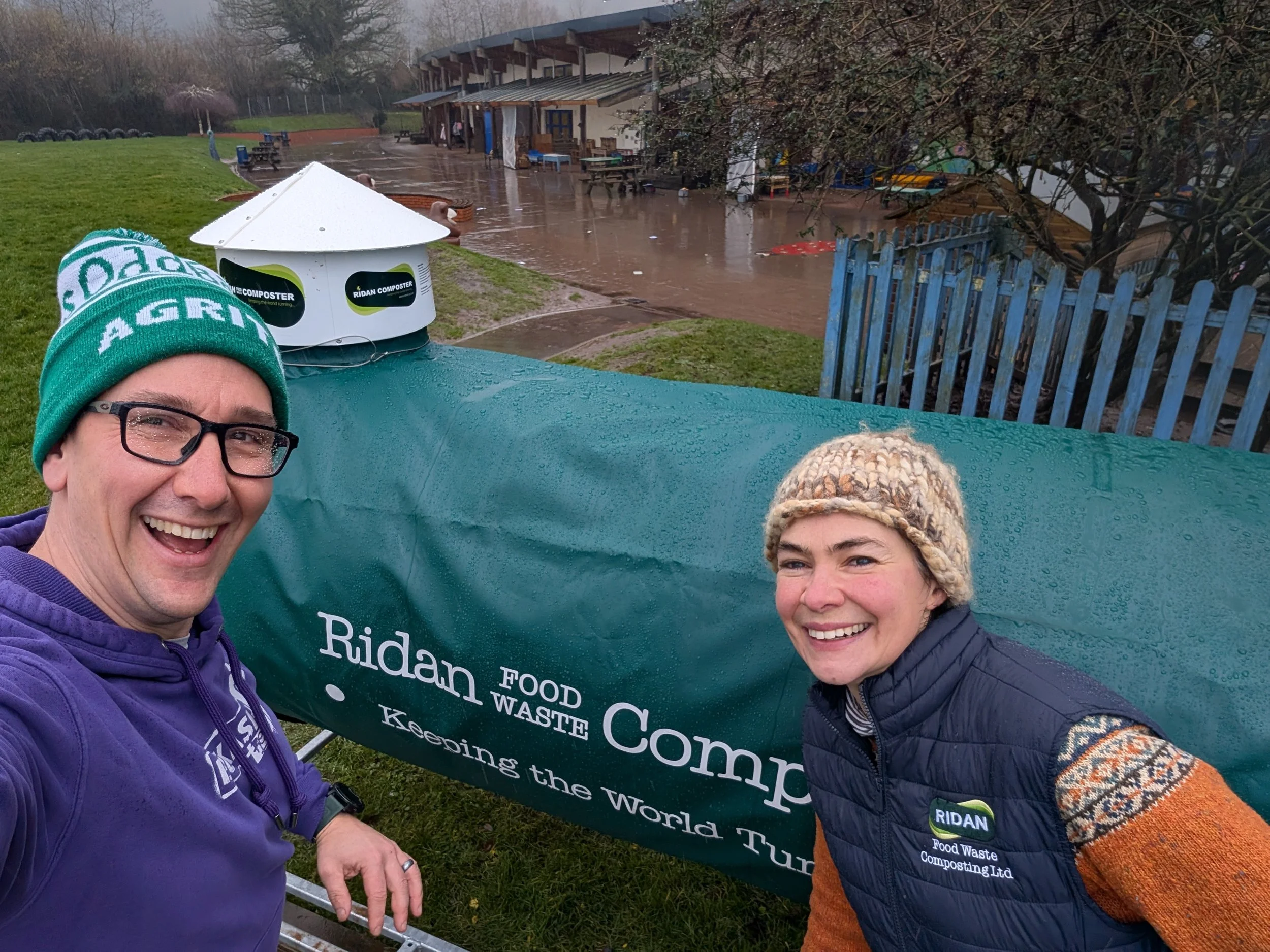
The fermented material can then be transferred into aerobic composting systems in community gardens, allotments or managed compost sites.
In other words:
Households stabilise the material → communities finish the composting.
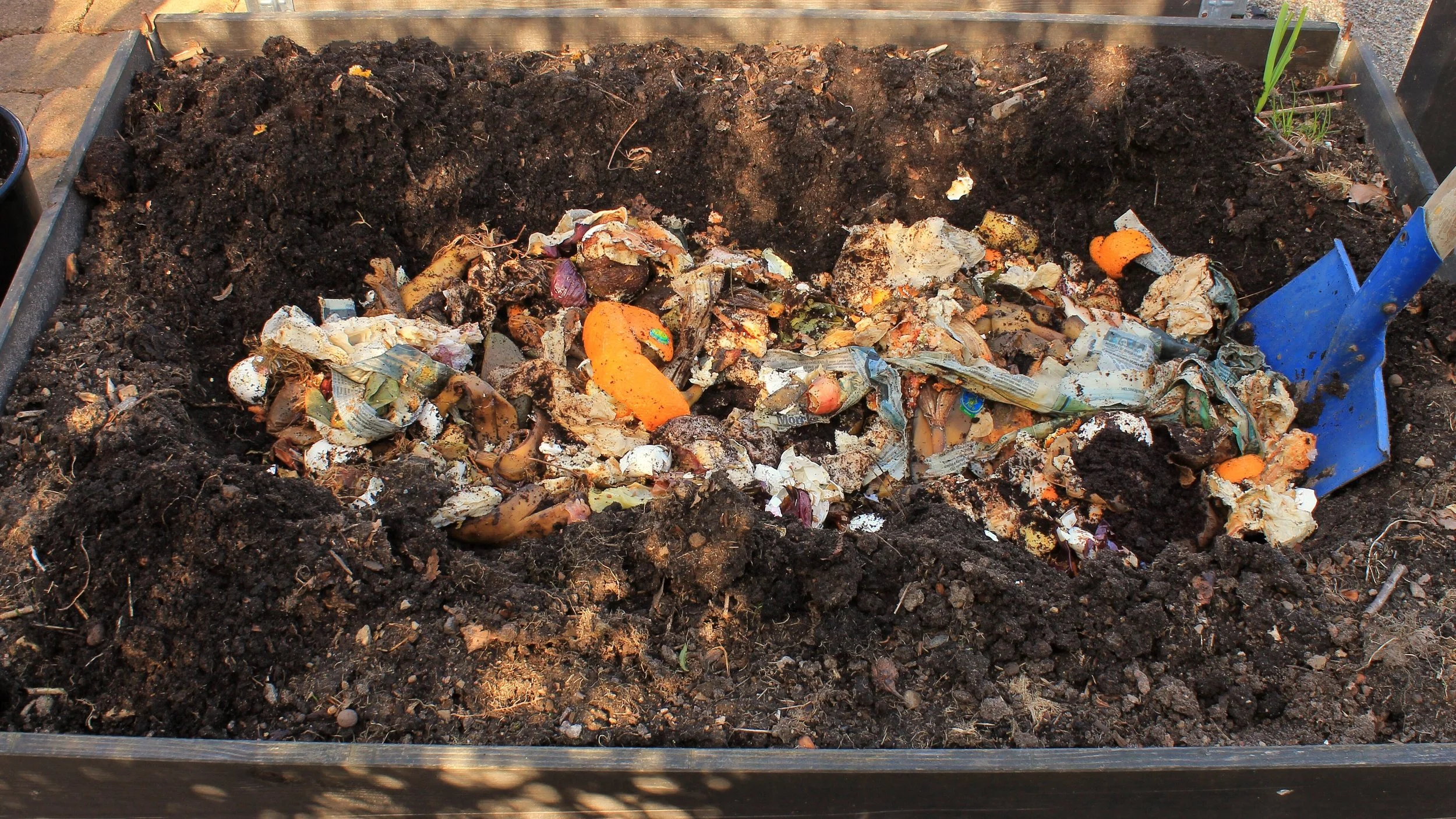
It Can Also Be Done Entirely at Home
One of the biggest misconceptions about Bokashi is that it always needs a second collection system.
In reality, households can complete the process themselves.
Once fermentation is finished, the material can be:
buried directly in soil trenches in the garden
added to a “soil factory” container where soil organisms finish decomposition
mixed into a garden compost heap
When added to compost heaps, fermented food waste can actually support the thermophilic phase of composting by introducing easily available carbon and microbial activity that helps drive heat generation.
In other words, fermentation doesn’t replace composting — it prepares the material for it.
Why This Matters
If all food waste flows into large infrastructure systems, we miss something fundamental.
Local soil needs organic matter.
Urban areas are crying out for compost to support:
community gardens
allotments
urban tree planting
soil restoration
Yet we routinely transport that material away as waste.

A banana peel shouldn’t need a lorry journey and a combustion chamber to complete its lifecycle.
A Better Balance
This isn’t about opposing large-scale recycling systems like anaerobic digestion.
They absolutely have a role.
But if they become the only story, we overlook the power of households and communities to recycle nutrients locally.
A more balanced approach could look like this:
Households reduce food waste
Fermentation stabilises unavoidable scraps
Soil or compost completes the biological cycle
Community systems help urban areas participate
Large infrastructure handles the remainder
Multiple pathways.
More participation.
More nutrients returning to soil.
The Bigger Question
Food Waste Action Week asks us to waste less food.
But perhaps the bigger question is this:
Why are we still treating food waste like rubbish when it is clearly a biological resource?
If we want a truly circular food system, we need to stop thinking only in terms of bins and trucks — and start giving households the tools to work with biology.
Because when people participate in the cycle, food waste stops being a problem.
And starts becoming part of the soil solution.
