Peat-Free Growing: Are We Feeding Our Plants Too Much and Overlooking the Soil?
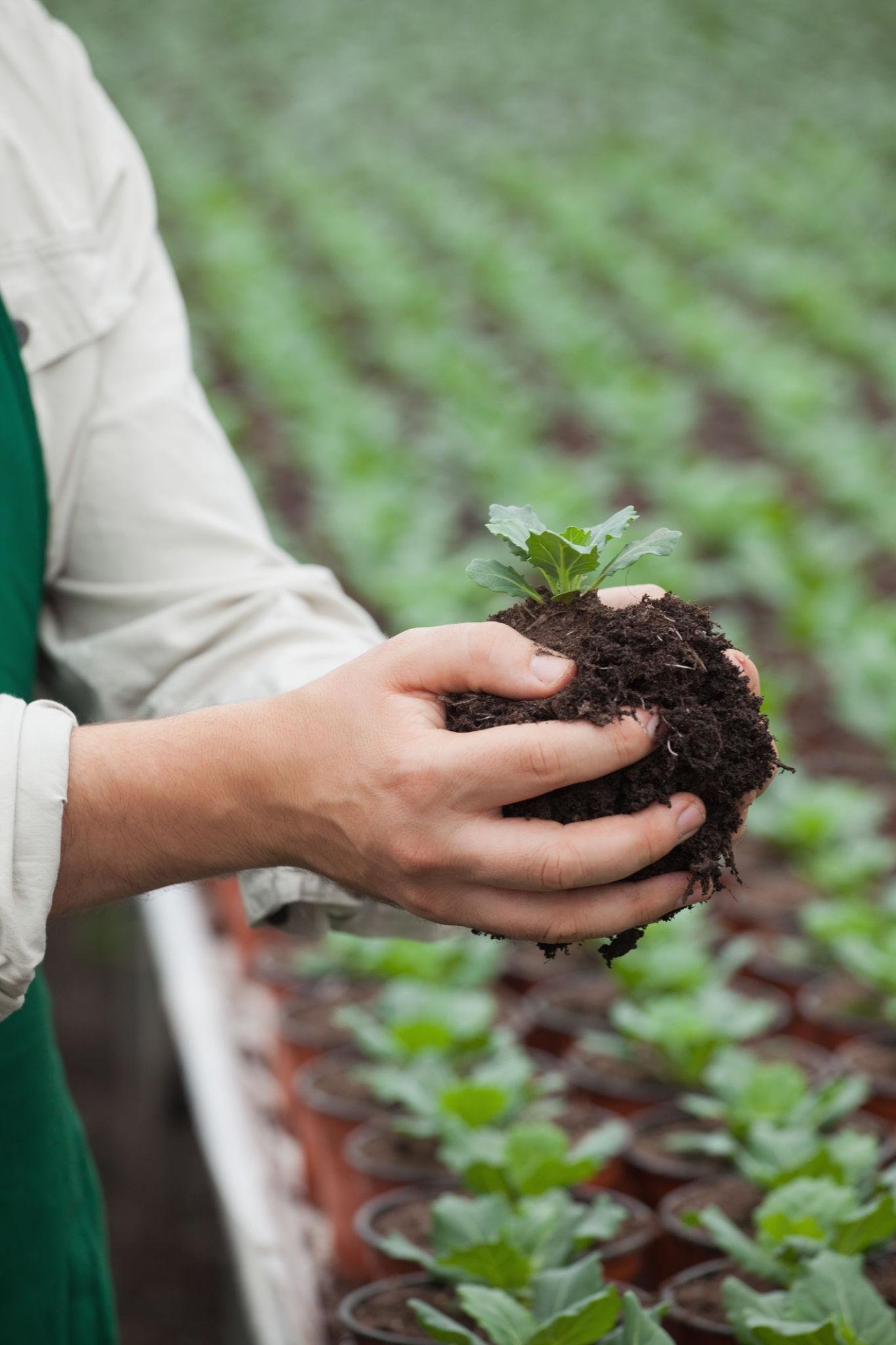
We've spent years looking for alternatives to peat. But are we paying enough attention to what happens once we start growing in them?
New research from the Royal Horticultural Society (RHS) challenges a common assumption about peat-free growing: that plants automatically need more fertiliser and more water.
Its commercial nursery trials suggest that adding too much fertiliser can actually restrict root and shoot development. The findings raise an important question for growers and gardeners alike: rather than continually adding more inputs, should we be spending more time understanding the growing media we're using?
For Agriton, this opens up a wider conversation about compost, soil biology, nutrient cycling and the role of locally produced organic materials in sustainable horticulture.
Peat-free isn't simply a replacement for peat
Peat has traditionally been valued by horticultural growers for its relatively consistent physical properties and low nutrient content. This made it possible to develop established feeding and irrigation programmes around it.
Peat-free growing media are different.
They can contain combinations of wood fibre, composted bark, coir, green-waste compost and other renewable or recycled materials. Each ingredient has its own physical, chemical and biological characteristics.
As a result, two bags of peat-free compost may behave quite differently, even if they're intended for similar plants.
What the RHS research found
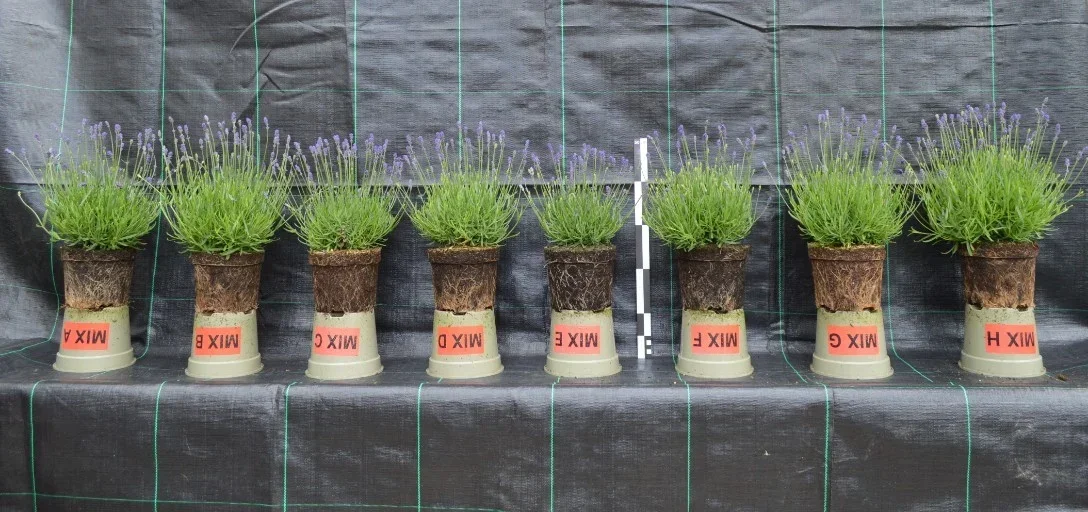
Research published 25 November 2025
Three years of commercial trials across multiple plant groups, growing seasons and UK nurseries.
Increasing fertiliser did not produce a corresponding increase in plant growth.
Excessive feeding could hinder root and shoot establishment.
Some peat-free plants showed no nutrient deficiencies after 14 months, while certain peat-reduced controls receiving equivalent fertiliser did.
Better irrigation management helped reduce nutrient losses through leaching.
These findings relate to the specific media, crops and conditions tested. They do not mean all peat-free mixes require less fertiliser.
Read the original RHS research summary
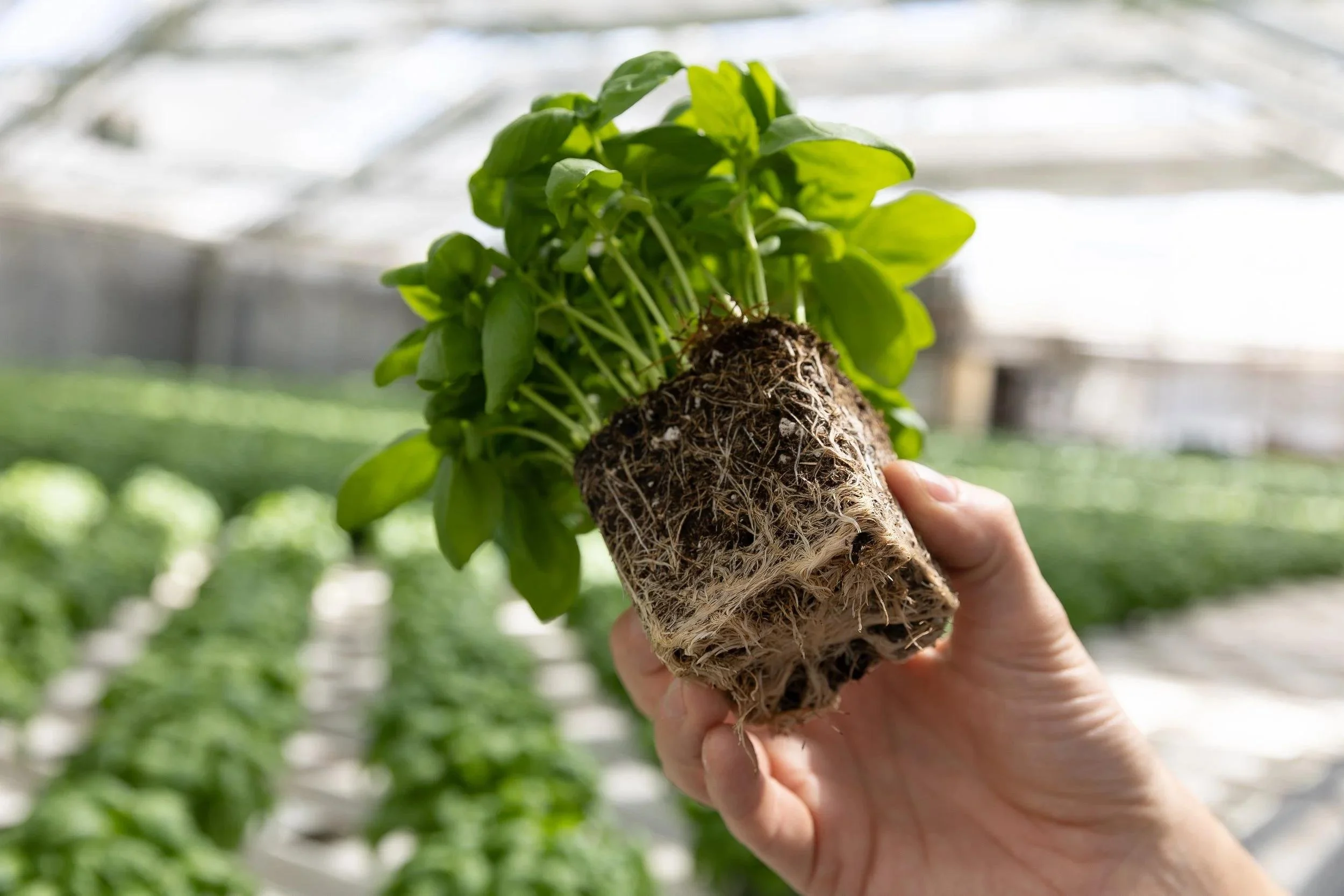
More fertiliser doesn't necessarily mean healthier plants
One of the most interesting findings is that peat-free growing media may already contain more available nutrition than growers expect.
Manufacturers often incorporate a nutritional package into their mixes. Some ingredients also contribute nutrients of their own, while others can influence nutrient availability as they decompose.
Adding fertiliser without understanding what's already present risks upsetting that balance.
The RHS recommends that commercial growers work with their growing media suppliers and compare their current feeding regimes with slightly lower and higher application rates. This can help identify the amount that supports healthy growth without unnecessary expense or nutrient loss.
It also highlights the importance of irrigation. Excess watering can wash nutrients out of containers, meaning that feeding and watering should be managed together.
But nutrition is only one part of the discussion.
Growing media, compost and soil improvers: what's the difference?
The word compost can mean several different things in horticulture, which can make conversations about peat-free growing confusing.
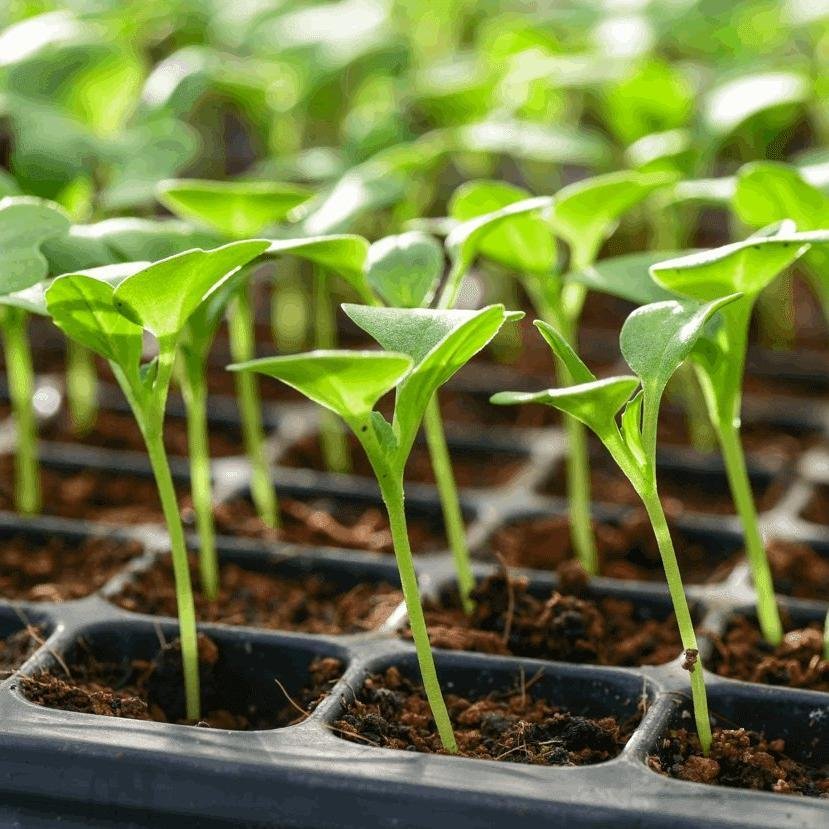
Growing media
Growing media are designed to support plant roots in pots, trays and other containers. They need an appropriate balance of air, water retention, drainage, stability and nutrients for the crop being grown.
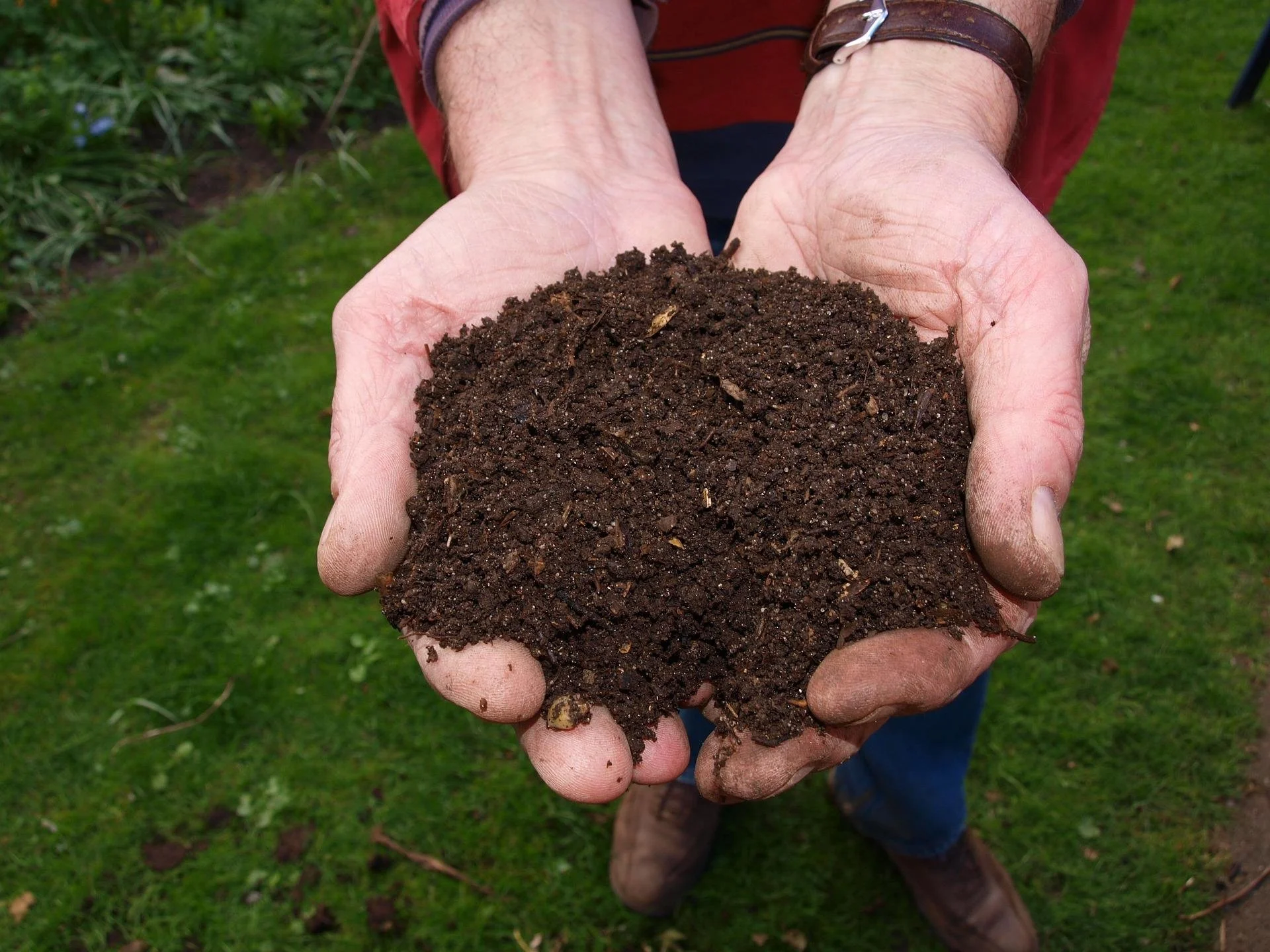
Mature compost
Properly processed compost contains decomposed organic materials and can contribute nutrients and organic matter. Suitable, quality-controlled compost can form part of a formulated growing medium, although not every compost is suitable for container production.
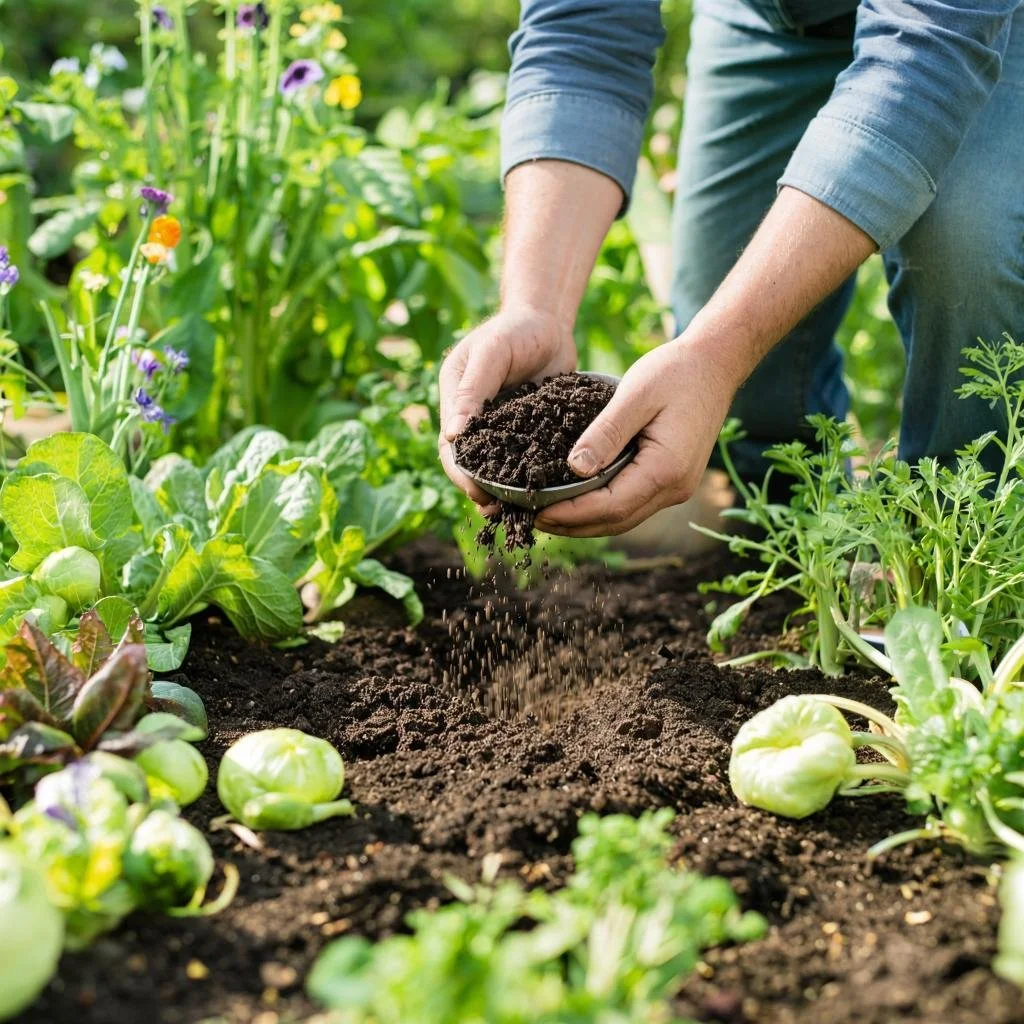
Soil improvers
Soil improvers are added to existing soil to improve properties such as structure, organic matter content and water-holding capacity. They are not necessarily suitable for use as standalone potting media.
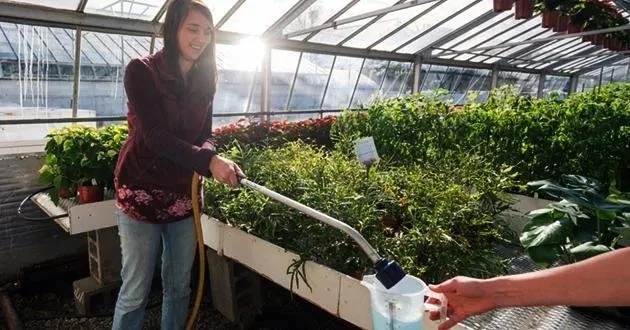
Microbial inoculants
Products containing selected microorganisms are intended to introduce microbes into a growing environment. Their effects depend on the organisms, formulation, substrate and growing conditions. They do not replace a suitable nutrient programme or a well-formulated growing medium.
Understanding these differences matters. A material that performs well when incorporated into garden soil may behave very differently in a small container, where drainage, nutrient availability and root development need much closer control.
Where does Bokashi fit into peat-free horticulture?
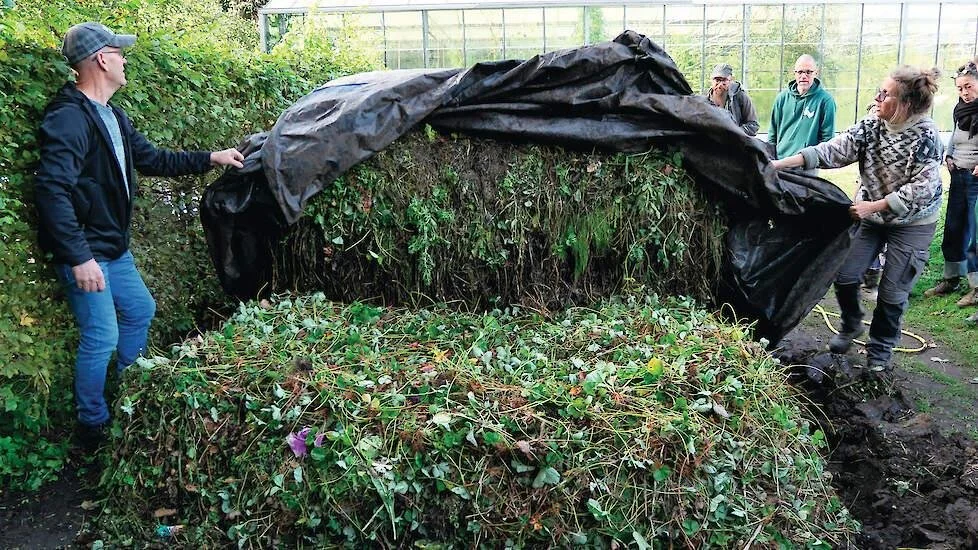
At Agriton, we're particularly interested in how fermentation can help gardeners and growers make better use of the organic materials they already have.
Grass cuttings, leaves, plant residues and other suitable green waste are often collected and transported away from the places where they were produced.
Bokashi fermentation offers an alternative initial processing method for some of these materials. With an appropriate microbial inoculant, such as Actiferm, organic material can be fermented in a carefully managed, covered system before undergoing further decomposition.
However, fermented Bokashi material is not automatically mature compost, and it should not be treated as a ready-to-use potting medium.
Its potential role in peat-free horticulture needs to be investigated through trials that assess maturity, nutrient availability, salinity, pH, plant performance and other relevant characteristics.
For outdoor growers, community gardens and no-dig systems, there is also an opportunity to explore how fermented green waste performs after further processing and incorporation into soil.
The important distinction is that these are opportunities for research and practical trials, rather than established benefits demonstrated by the RHS peat-free nutrition study.
Could soil biology be part of the next conversation?
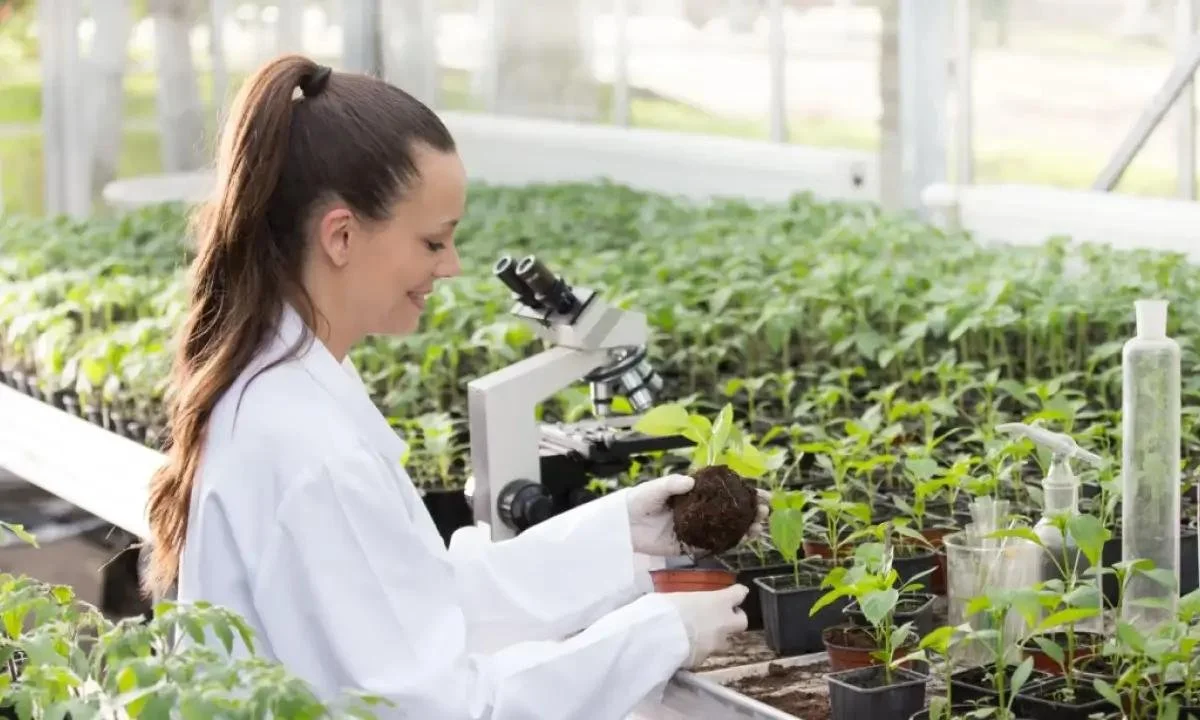
As horticulture moves away from peat, understanding the biological characteristics of alternative materials is becoming increasingly relevant.
Organic ingredients can undergo microbial decomposition, influencing nutrient availability and the behaviour of a growing medium over time. But biological activity alone is not a guarantee of better plant growth.
The challenge is to understand which biological processes are beneficial, under what conditions, and how they interact with crop nutrition, irrigation and the physical properties of the substrate.
The RHS Transition to Peat-Free Fellowship is investigating the physical, chemical and biological characteristics of growing media alongside nutrient and water dynamics and plant performance.
For Agriton, this provides a useful framework for investigating microbial amendments and fermented organic materials without assuming that adding more biological inputs will always produce a better result.
From assumptions to practical trials
There is an opportunity for nurseries, gardeners and growing media manufacturers to work together to establish better growing protocols.
For a small Agriton demonstration, we could compare a standard commercial peat-free mix with the same mix receiving a carefully selected microbial treatment. A separate trial could examine whether a measured proportion of fully matured, quality-tested compost improves a particular peat-free formulation.
Each trial should include an untreated control, replicated plants and consistent growing conditions.
What should we measure?
Root development and plant growth
Growing media pH and electrical conductivity
Nutrient availability and fertiliser requirements
Moisture retention and irrigation frequency
Plant quality, health and marketability
Costs and practical management requirements
The RHS provides a useful guide to conducting peat-free nursery trials , including recommendations for randomisation and replication.
These trials could help establish where biological amendments have a practical role, whether they offer measurable benefits and how they interact with existing nutrition programmes.
A peat-free future needs more than a change of ingredients
Moving away from peat is an important step in protecting peatland habitats and the carbon they store. But replacing peat is only the beginning.
The wider challenge is developing growing systems that use water and nutrients efficiently, make appropriate use of renewable resources and produce healthy, commercially viable plants.
The latest RHS findings remind us that sustainable horticulture isn't necessarily about adding more. Sometimes it's about understanding what is already there and managing it better.
For Agriton, that means continuing to explore the relationship between composting, fermentation, soil biology and plant nutrition—while building the evidence needed to understand where each approach can genuinely make a difference.
Perhaps the next question in peat-free horticulture isn't simply what we can replace peat with, but how we can make the whole growing system work better.
