
What happens to the apple once the juice has gone?
Every autumn, community orchards, cider makers and home growers turn tonnes of apples into juice and cider.
But pressing the fruit is only half the story.
What remains is apple pulp — skins, flesh, cores and seeds containing organic matter, moisture and sugars. Rather than seeing that material as something to dispose of, we can ask a much more useful question:
How do we keep it within the local growing system?
Last year we shared our approach to processing apple pulp using Bokashi fermentation. Our friends at The Orchard Project subsequently shared the method with their community-orchard network, helping introduce more people to the idea of returning pressing residues to the soil.
Read The Orchard Project's article: Bokashi – transforming waste apples into rich soil
For this season, we’ve revisited the process and refined the recipe — including a woodchip option, better guidance around moisture and a clearer explanation of what happens after fermentation.
Why not just leave apple pulp to rot?
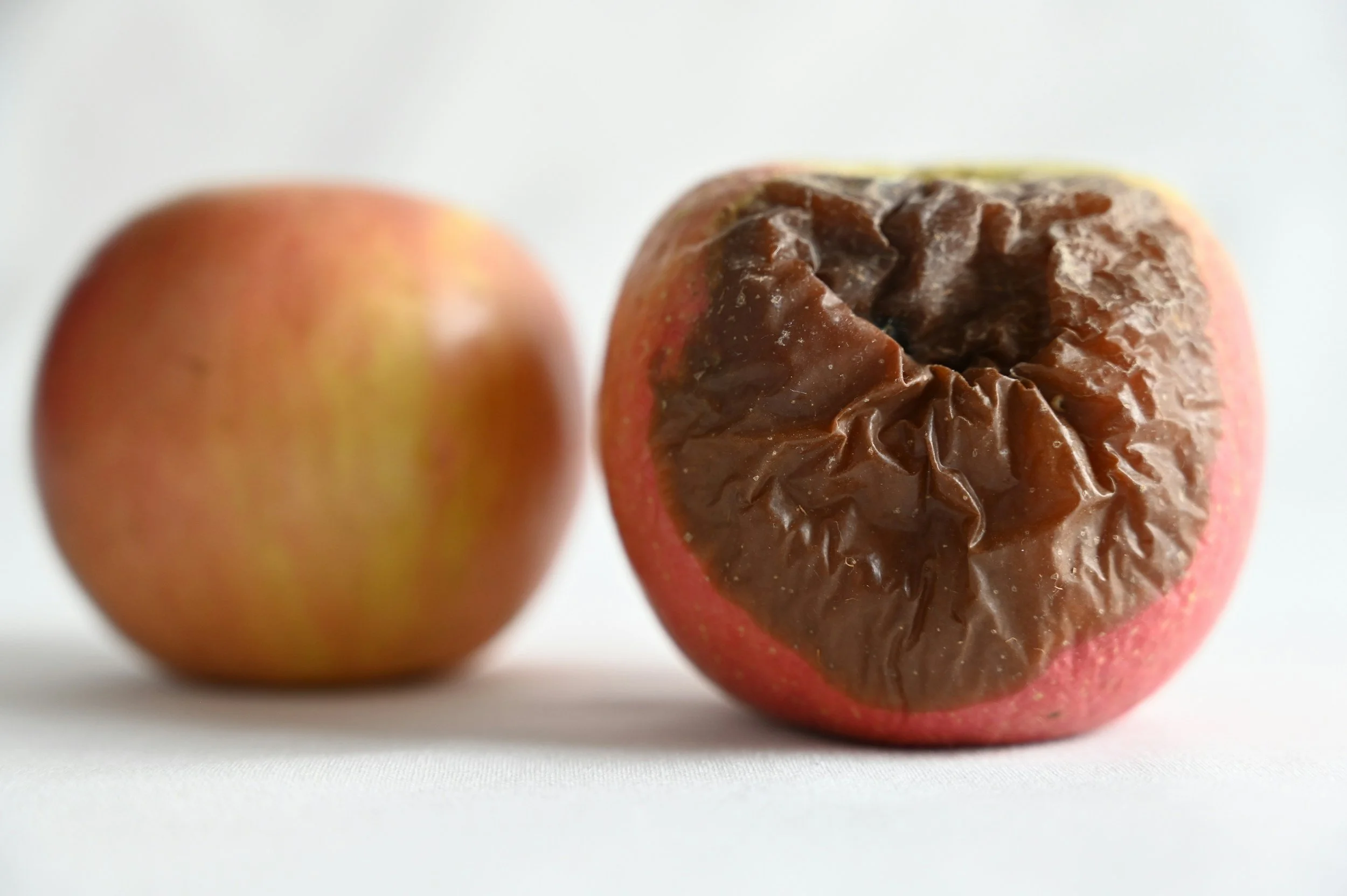
You absolutely can compost apple pulp conventionally, and a properly managed compost heap is a perfectly good route.
The problem comes when large quantities of wet apple pulp are simply left in a heap.
Apple pomace can contain around 88% moisture, although this varies considerably depending on the fruit and pressing process. Published composting data also gives apple pomace a typical C:N ratio of around 48:1. Cornell eCommons
Because it is so wet and relatively dense, a pile can quickly compact. Instead of creating a well-managed composting environment, you can end up with a wet mass that's difficult to handle and prone to uncontrolled fermentation, leachate and unpleasant smells.
Bokashi gives us another option.
We aren't trying to stop decomposition. We're managing what happens first.
The material is inoculated, mixed with a structural ingredient, compacted and covered so it goes through a managed fermentation stage before moving on to further decomposition and maturation.
Fermentation is only stage one
This is one of the biggest changes we want to make to our original guidance.
Bokashi-fermented apple pulp is not the same thing as finished mature compost.
Think of the journey as:
Apple pulp → fermentation → decomposition → maturation → soil
During the first stage we're creating covered, low-oxygen conditions that favour fermentation.
Afterwards, when the material enters compost, soil or another maturation system, oxygen and the wider soil food web become part of the process again.
That distinction is particularly important when we're using woody materials.
Two updated apple pulp Bokashi recipes
These are starting recipes, rather than rigid formulas.
Apple pulp can vary enormously in moisture depending on the apples, equipment and how hard they have been pressed. Look at the material you're working with and adjust accordingly.
Option 1: Apple pulp + straw
For approximately 1 tonne of fresh apple pulp
Fresh apple pulp 1,000 kg
Chopped dry straw 200–300 kg
Aegir seashell grit 10 kg
Actiferm 2 litres
WaterOnly enough to distribute the Actiferm evenly
Why straw?
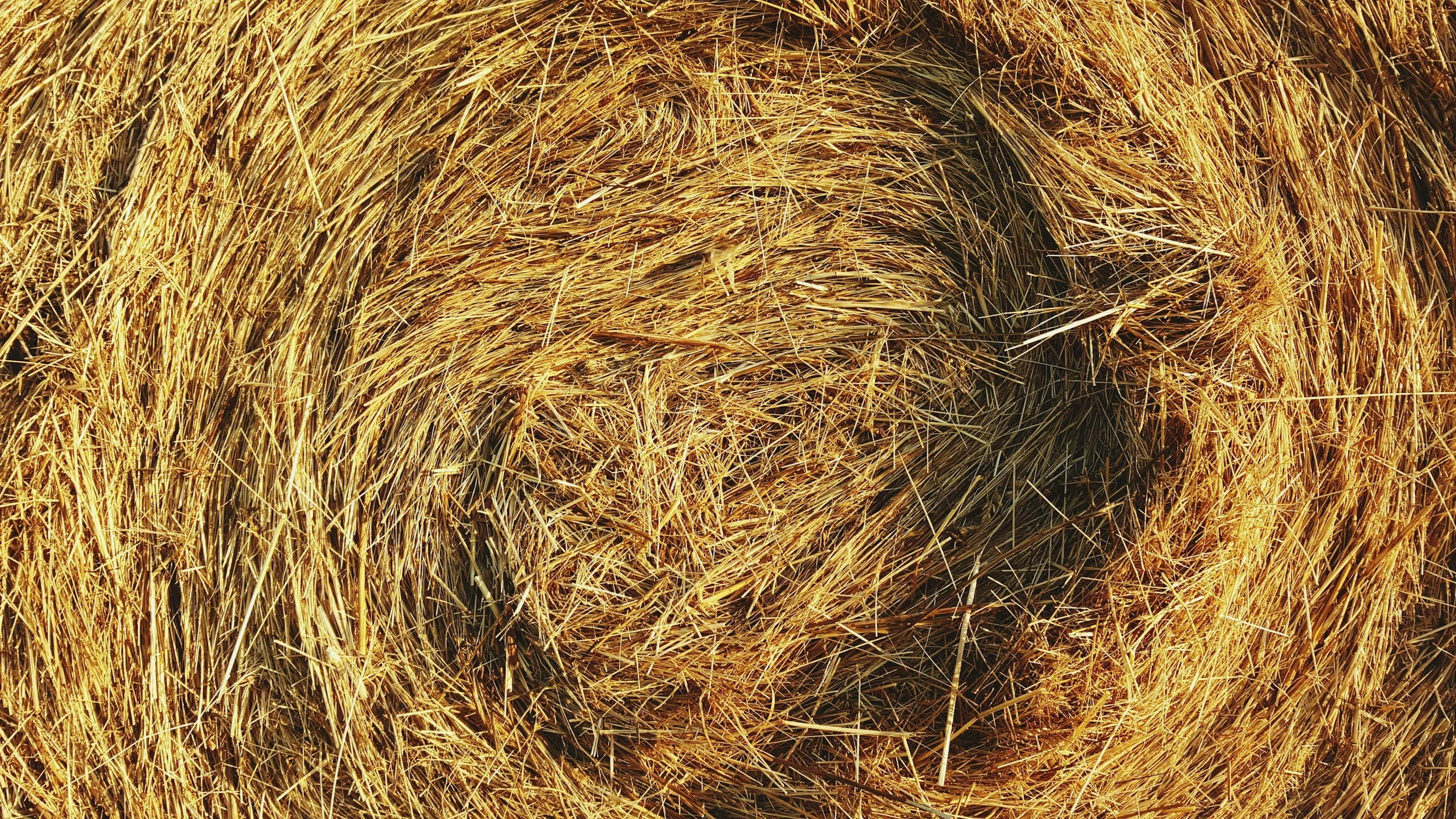
Straw helps absorb excess moisture and creates structure within the dense apple pulp.
We've deliberately moved away from the original 1 tonne pulp : 1 tonne straw recipe.
Straw is itself a carbon-rich material. Cornell gives typical straw C:N values of approximately 50–150:1, so we're not really adding it to "balance the carbon". Its most useful role here is physical structure and moisture management. cwmi.css.cornell.edu
Using less also means there is considerably less high-carbon material to break down during the subsequent maturation stage.
Option 2: Apple pulp + woodchip
For approximately 1 tonne of fresh apple pulp
Fresh apple pulp1,000 kg
Fine/medium untreated woodchip 150–250 kg
Aegir seashell grit 10 kg
Actiferm 2 litres
Water Only enough to distribute the Actiferm evenly
Woodchip can be a particularly useful option where orchards, estates or community projects already have chipped pruning material available locally.
The Orchard Project also recommends planning for the pulp produced at community pressing events and notes that bark chippings can be mixed with apple pulp when composting it. The Orchard Project
But woodchip isn't the same as straw
This is important.
Woodchip can have a much higher C:N ratio than straw. Published figures vary enormously according to species, age and material, but woodchips can run into several hundred parts carbon to one part nitrogen. cwmi.css.cornell.edu
That's why we'd start with less woodchip than straw.
Where possible, we'd favour relatively fine, mixed untreated arborist chip containing different particle sizes rather than large quantities of very coarse clean stem wood.
And never use treated timber, MDF, painted wood or other manufactured wood products.
Don't chase a composting C:N ratio during fermentation
This is an important distinction.
For conventional aerobic composting, a starting C:N ratio of around 25–30:1 is often considered favourable for rapid microbial decomposition. If the ratio becomes very high, decomposition generally slows because nitrogen becomes limiting. Cornell Composting
But we're not trying to run a conventional hot composting process during the initial Bokashi stage.
So rather than trying to calculate the pile to exactly 30:1, we're using the straw or woodchip primarily to give us a workable physical mixture.
C:N becomes particularly relevant again after fermentation, when the material begins its aerobic decomposition and maturation.
How to make apple pulp Bokashi
1. Start with fresh pulp
Ideally process the pulp soon after pressing rather than leaving it sitting around for several days.
Windfall or surplus apples can also be processed, but chop or crush whole fruit first.
2. Add your structural material
Mix your straw or woodchip through the pulp.
Rather than creating thick individual layers, aim for a reasonably even mixture throughout the heap.
You're trying to prevent one solid mass of apple pulp from forming.
3. Check the moisture
This is probably more useful than blindly following a recipe.
Take a handful and squeeze it firmly.
You're looking for something that's:
moist enough to compress and hold together, but not releasing large amounts of liquid.
Very wet pulp may need slightly more straw or woodchip.
Drier pulp may need less.
4. Add Aegir
Distribute the Aegir seashell grit evenly as you're building and mixing the heap.
For our starting recipe, we're using approximately 10 kg per tonne of apple pulp.
5. Add Actiferm
Apply approximately 2 litres of Actiferm per tonne of apple pulp, distributing it as evenly as possible through the material.
If you're diluting it to make application easier, use only the amount of water necessary to distribute it effectively.
Remember: the apple pulp is already extremely wet. There's little value in adding hundreds of litres of unnecessary water.
6. Compact the pile
Firm the material down as you build.
We're trying to remove large air spaces and create the conditions required for the initial fermentation stage.
7. Cover it properly
Cover the heap securely and weight down the edges.
The important things are to:
minimise uncontrolled airflow;
prevent rainwater entering;
avoid the pile drying out;
contain the material and any potential drainage.
A properly covered pile also makes the system considerably easier to manage.
8. Leave it to ferment
As a starting point, we'd allow approximately 12–18 weeks, recognising that temperature, pile size, feedstock and season will all affect the process.
Rather than relying solely on a calendar date, look at what's actually happened to the material when you open it.
What happens when we open it?
Don't expect the apple pulp and woodchip simply to have disappeared.
That's not the aim.
The material should have undergone fermentation, but it still needs its next biological stage.
This is where we allow oxygen back into the conversation.
The fermented material can move into an appropriate composting or soil-based maturation system where aerobic organisms continue breaking down the organic matter.
Straw versus woodchip after fermentation
The straw recipe should generally move through this next stage faster because straw is relatively easy to decompose.
Woodchip contains much more resistant woody carbon, including lignin, and will generally need more time to mature.
That's not necessarily a disadvantage.
For orchards, woody organic matter can be particularly interesting. The Orchard Project already advocates woodchip mulches around fruit trees as a way of creating a more woodland-like, fungal environment. The Orchard Project
But it does mean we shouldn't imply that a woodchip-rich fermented pile is instantly suitable for sowing seeds or mixing heavily into young plants' root zones.
Give it time to mature.
A smaller-scale recipe
You don't need a tonne of apples to try this.
For approximately 100 kg of apple pulp, you could start with:
Straw version
100 kg apple pulp
20–30 kg chopped straw
1 kg Aegir
200 ml Actiferm
Woodchip version
100 kg apple pulp
15–25 kg fine woodchip
1 kg Aegir
200 ml Actiferm
Again, adjust the dry material according to the condition of your pulp.
The squeeze test is more useful than obsessing over the final kilogram.
Why are we doing this?
Because the apple hasn't become worthless simply because we've removed the juice.
The pulp still represents organic material that originated in the orchard.
If we can process it locally and ultimately return suitable mature material to the soil, we're creating a much more circular system:
Soil → tree → apple → juice → apple pulp → soil
That's particularly relevant for community orchards.
The Orchard Project works with communities across the UK to create and support orchards as places for food resilience, biodiversity, learning and connection. The Orchard Project
Apple pressing presents a perfect opportunity to extend that thinking below ground.
Rather than finishing the day with bags of pulp that someone needs to get rid of, why not make processing the pulp part of the pressing day itself?
We're still learning

One thing we're increasingly keen to do at Agriton is distinguish between what we know, what we've observed and what we still need to test.
That's why we'd love to see more community orchards trying this approach and documenting what happens.
You could even run a simple comparison:
Pile 1 – apple pulp + straw + Actiferm
Pile 2 – apple pulp + woodchip + Actiferm
Record:
starting moisture;
temperature;
pH;
smell;
appearance;
volume;
fermentation time;
and how quickly the material subsequently matures.
That starts turning composting into something people can observe, understand and learn from.
And for us, that's important.
Education is key.
The more we understand about what happens to the materials we currently call "waste", the easier it becomes to design systems that keep those resources closer to where they were produced.
Want to try it?
If you're part of a community orchard, cider producer, school, allotment or growing project and you're interested in processing apple pulp using Bokashi, get in touch with Agriton UK.
We're happy to help you think through quantities, materials and how the process might work at your scale.
And if you'd like another perspective on the process, have a look at the article we produced with our friends at The Orchard Project:
Bokashi: transforming waste apples into rich soil – The Orchard Project
The juice might be the reason we press the apples. But the pulp doesn't have to be the end of the story.
