Rooting for the Future: A Dialogue with Michael Kennard on Soil, Soul, and System Change
Melora Farm
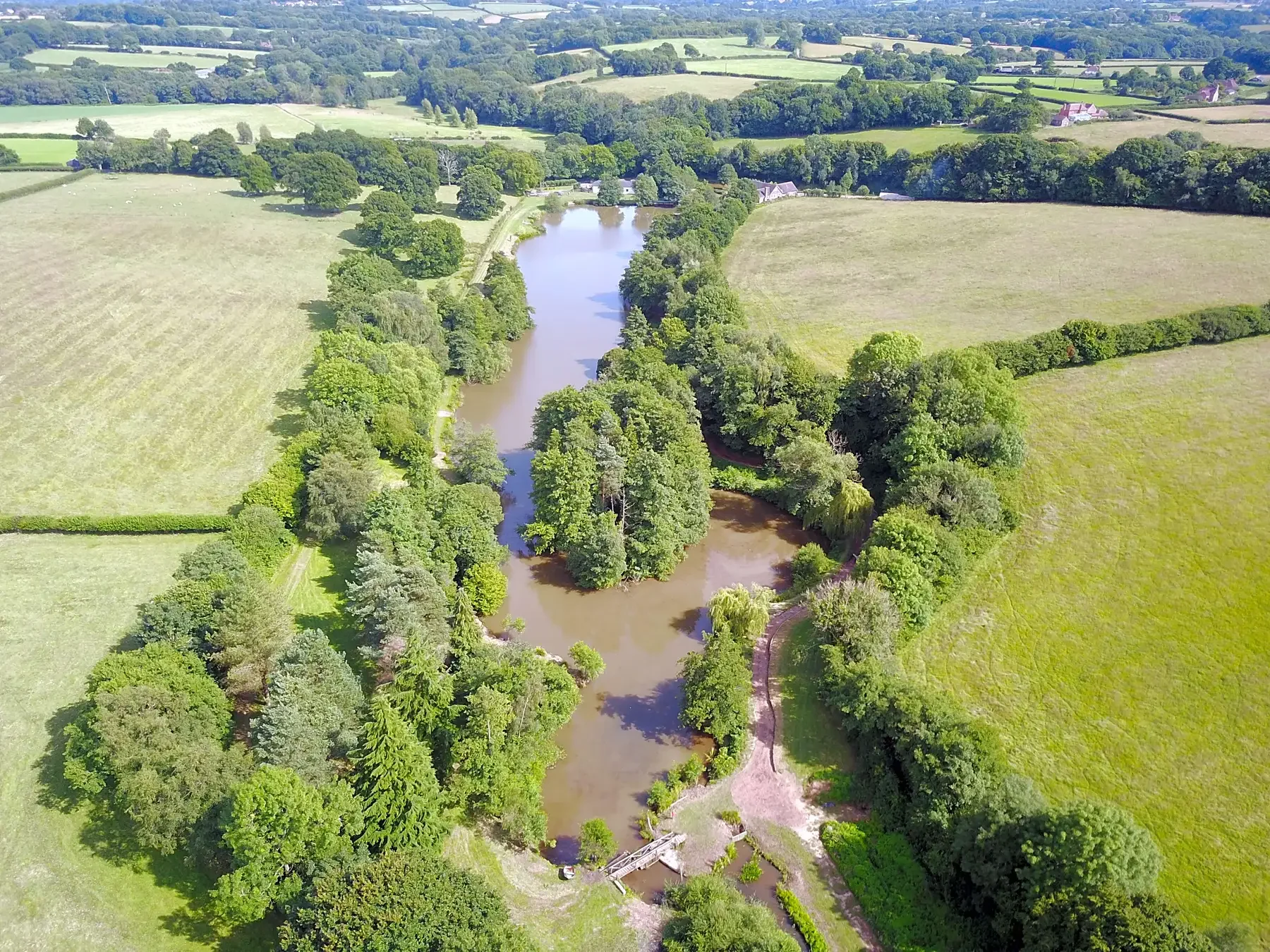
At Furnace Brook, the landscape of Melora Farm serves as a living laboratory for an essential ecological transition. It is here that the serene Sussex countryside meets a radical new vision for land stewardship, acting as a critical strategic bridge between the logistical challenges of urban waste management and the biological imperatives of rural regenerative farming. This site represents the evolution of Michael Kennard’s work, scaling the localized collection of food waste in Brighton into a broad-scale demonstration of how a landscape can be healed and made productive simultaneously.
Michael Kennard, the founder of Compost Club and a dedicated regenerative farmer, is a man whose mission is defined by a profound shift in perspective. Rather than focusing on "minimizing footprints" or merely reducing human impact—a framework he views as inherently negative—Kennard champions the idea of "creating a positive legacy." He posits that if humans view themselves as beneficial actors within an ecosystem, their very presence becomes a gift to the future. This journey from electrician to ecological pioneer was accelerated by a single, devastating event that redefined his understanding of environmental responsibility.
The Catalyst: From "Polluters Charter" to Community Cavalry
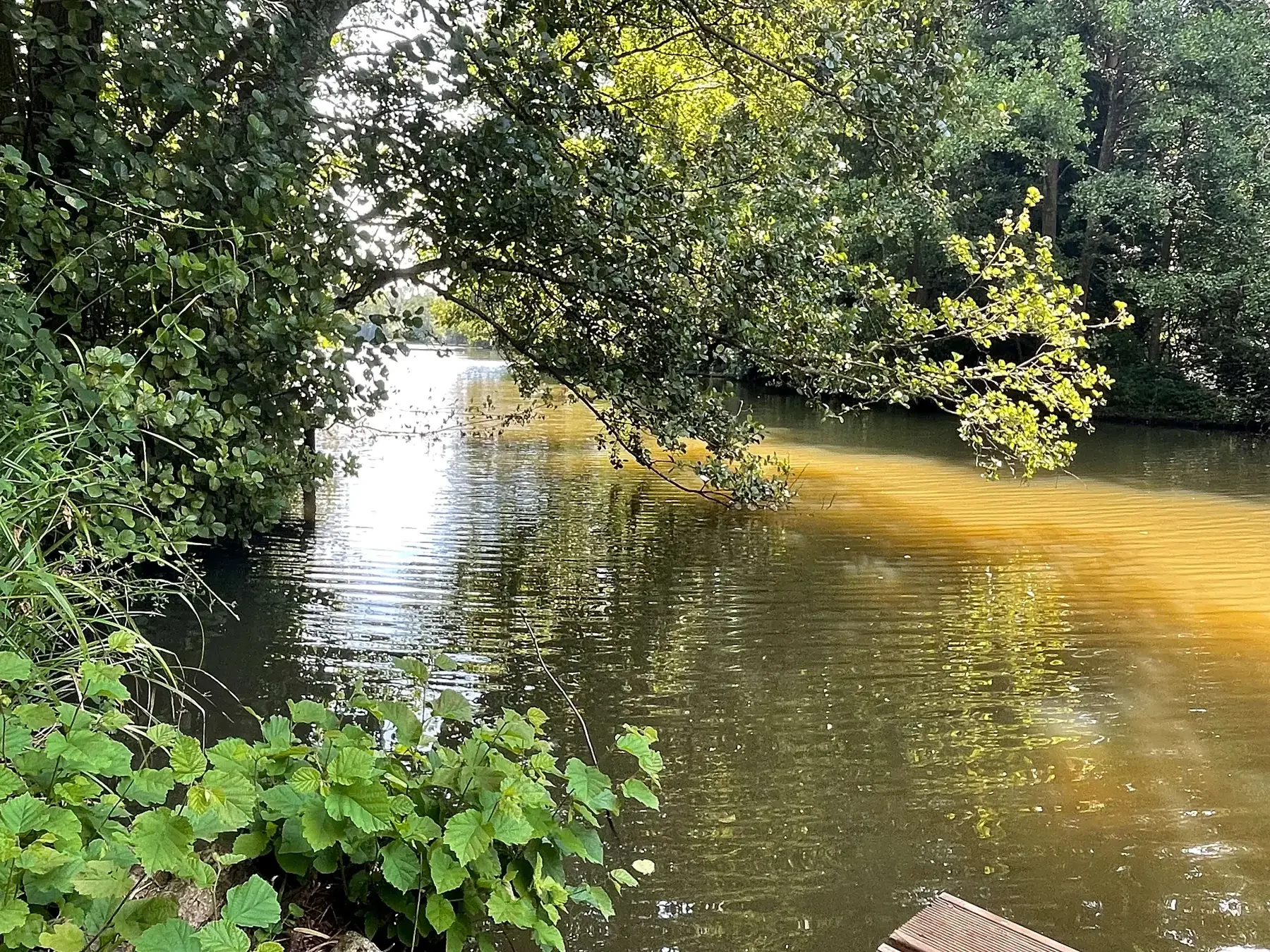
The fragility of our natural world is often masked by a veneer of institutional oversight. However, when systems fail, the strategic importance of community-led environmental monitoring becomes undeniable. For Melora Farm, the realization that state agencies might not be the "cavalry" coming to the rescue arrived via a catastrophic Category 1 pollution incident.
Upstream from the farm, a massive release of industrial toxins—including arsenic, cyanide, and cadmium—decimated the local ecosystem. Within 48 hours, a lake that had been an "exemplar" of ecosystem restoration was transformed into a graveyard. Kennard describes a gut-wrenching scene: thousands of fish floating on the surface and eels, desperate to escape the chemical cocktail, crawling out of the toxic water only to die on the muddy banks. The official response was sluggish, highlighting a regulatory framework that functioned more as a "polluters charter" than a safeguard for the public commons.
The "So What?" Layer: Becoming the Cavalry
This incident was the "Inspiration of Desperation." It forced a transition from a reactive stance—waiting for authorities—to a proactive one: "being the cavalry." The pollution did not just destroy a business; it transformed Melora Farm into a roadmap for community-driven restoration. By implementing live bioremediation, such as using reed beds to filter murky water in real-time, the farm demonstrates that communities can engage directly with their waterways, bypassing institutional inertia to fix environmental "nastiness" at the source.
The Paradigm Shift: Living Regeneratively
The transition from "sustainable" to "regenerative" is a fundamental shift in how we inhabit the Earth. Sustainability aims to maintain a status quo, whereas regeneration seeks to make the world actively better. Kennard’s transition from the rigid "obedience training" of the construction trades to the fluid, intuitive world of soil biology serves as a microcosm for the larger systemic shift he advocates.
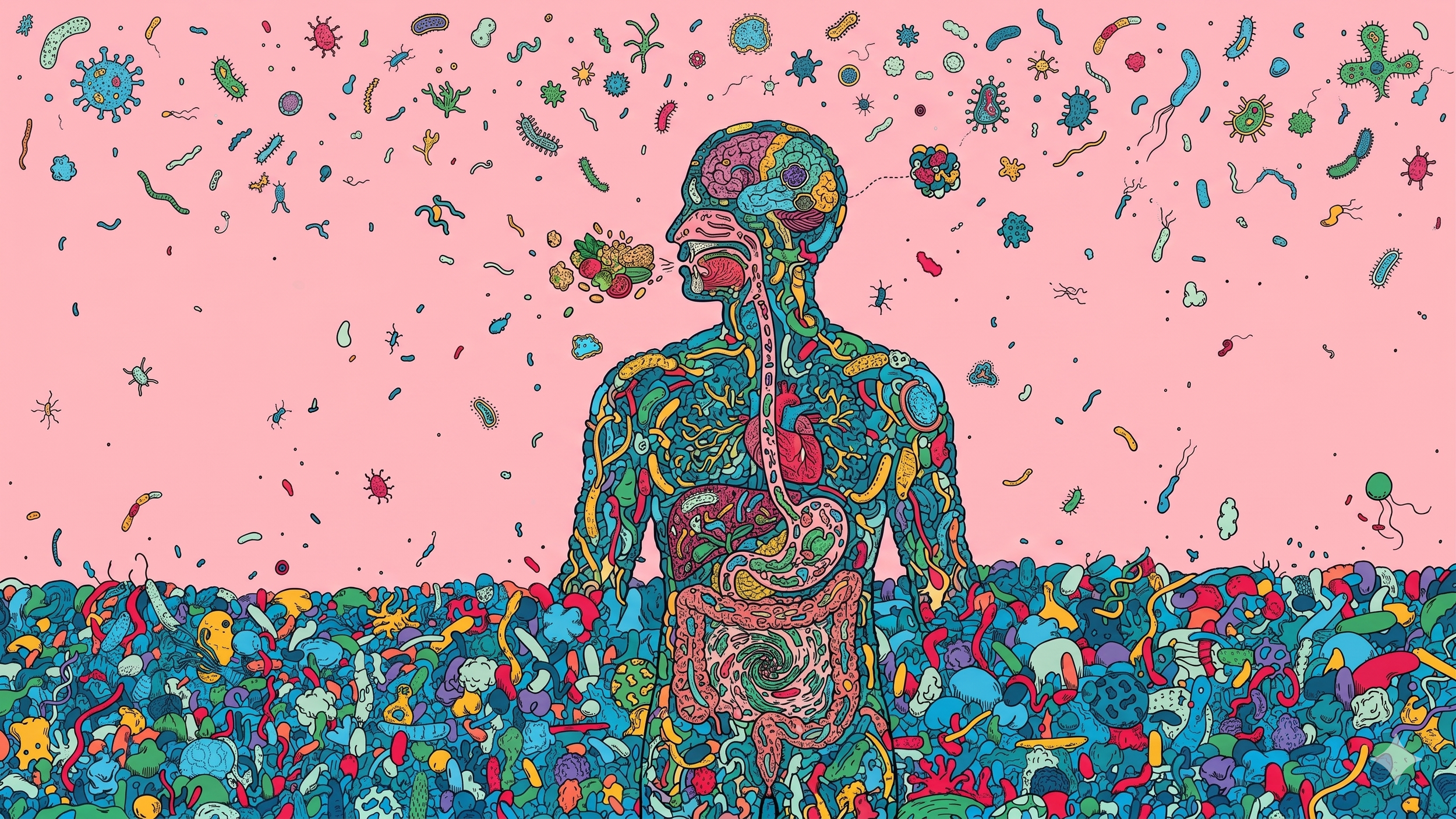
His personal journey was sparked by the impending birth of his son, Cosmo. Realizing he needed to exemplify a life of positive impact, Kennard moved toward "soil first" farming. This philosophy is grounded in the concept of the holobiont: the understanding that humans are not separate from nature but are walking, talking ecosystems. "If you run DNA on me, I’m mostly other things," Kennard notes, suggesting that this biological reality should lead to a dissolution of the ego and a surrender to the needs of the wider biosphere.
Evaluating the Differentiators
Kennard identifies a stark contrast between traditional industrial education and his "learning by interest" approach. He critiques the mainstream system for training children to stay in their "lanes" as obedient workers for a crumbling model. Instead, he views farming not as "feeding a crop" but as serving the foundation of life itself. By accepting that we are nature, the act of land stewardship becomes an act of self-care.
The Mechanics of Biology: Moving Beyond "Industrial Greenwashing"
In the current environmental market, there is a strategic necessity to distinguish between high-quality, biologically diverse living compost and the sterile, often "burnt" products of industrial waste management. Kennard identifies the rise of Anaerobic Digestion (AD) as "institutionalized greenwashing." These systems take organic matter and turn it into "one waste into another"—leachate and sterile digestate—simply to chase "green gas" subsidies, often resulting in a product no farmer actually wants.
The Compost Club methodology is designed to cultivate life force rather than just dispose of organic matter:
Bokashi Fermentation: Predigesting food waste in sealed containers to avoid putrefaction, allowing for efficient, smell-free collection.
The Mixing Process: Balancing "greens" (nitrogen) and "browns" (carbon/wood chips). Kennard notes that "microbes don't have legs," so moisture and surface area are vital for their movement.
Maturity in Bioreactors: Utilizing Johnson-Su bioreactors for passive aeration and mycelium growth, followed by the introduction of composting worms over a minimum 14-week cycle.
The "So What?" Layer: The Critique of PAS 100
Kennard is a vocal critic of PAS 100 standards, which prioritize high heat to kill pathogens but often result in a "burnt" material. He uses a "creme brulee" metaphor: the high heat caramelizes the carbon, creating a hydrophobic layer that microbes—lacking "biological spoons"—cannot penetrate. This leads to "soil obesity," where high NPK levels are present but the nutrients are locked up because the microbes required to deliver them to plants have been killed off.
Systems and Values: Redefining "Enough"
Kennard argues that we must move from a GDP-focused economy to a value-based, local ecological economy. He views the obsession with bank balances as a form of addiction that ignores tangible reality. Instead, he draws on the wisdom of filmmaker John Liu, who connected Kennard to Melora Farm via a call from Beijing, emphasizing that this mission is part of a global ecosystem restoration movement.
Redefining Capital
The discussion of "Natural Capital"—assigning monetary value to bees or lakes—is met with skepticism. Kennard finds it "mad" that we must monetize life to value it. He suggests we view ourselves as "an aperture that the universe is looking through for a little while," grounding economics in an existential context. In this light, human connections and a "commons" of shared skills are far more valid currencies than digital numbers. Local "Compost Clubs" act as the new system succeeding the old, addressing food scarcity through decentralized abundance.
Education and the Future: Sensing the Soil
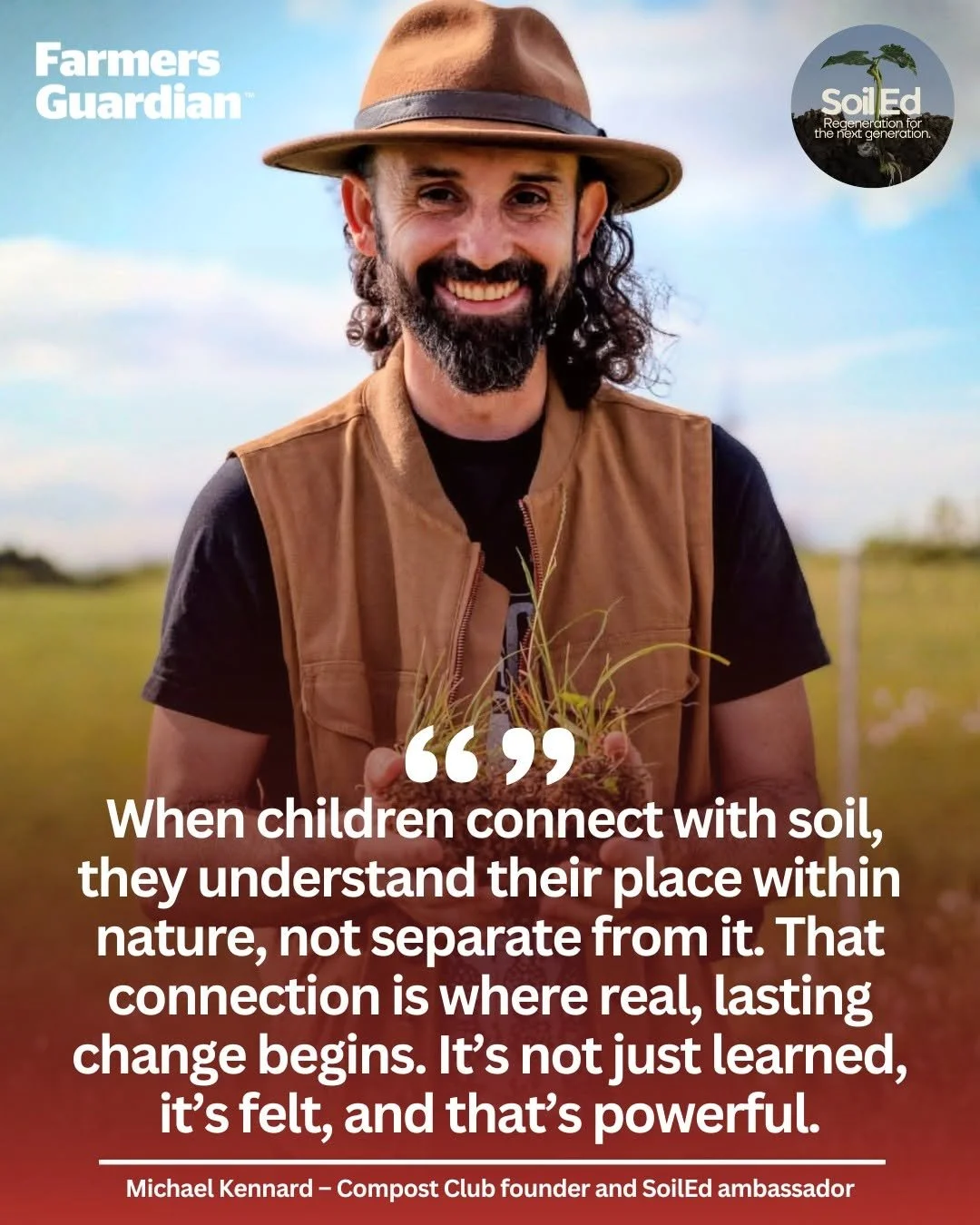
To ensure long-term ecological security, we must move education from an intellectual exercise to a "felt thing." Kennard’s "Soil Ed" initiative aims to transform "boring science" into a compelling narrative using sensory tools:
Microphones: Plunged into the earth so children can hear the "clicks and pops" of soil life.
Nutrient Density Meters: Arming future consumers with the ability to see that a regeneratively grown carrot may have 40 times the antioxidants of an industrial one.
The Power of Exemplification
Kennard emphasizes that children learn by what is exemplified, not just what is told. His son Cosmo, at age six, already knows how to cut a tree properly to prevent disease—a skill learned not in a classroom, but at a permaculture forest school. This approach fosters a love for nature that naturally leads to its protection.
Melora Farm: An Invitation to the Hub
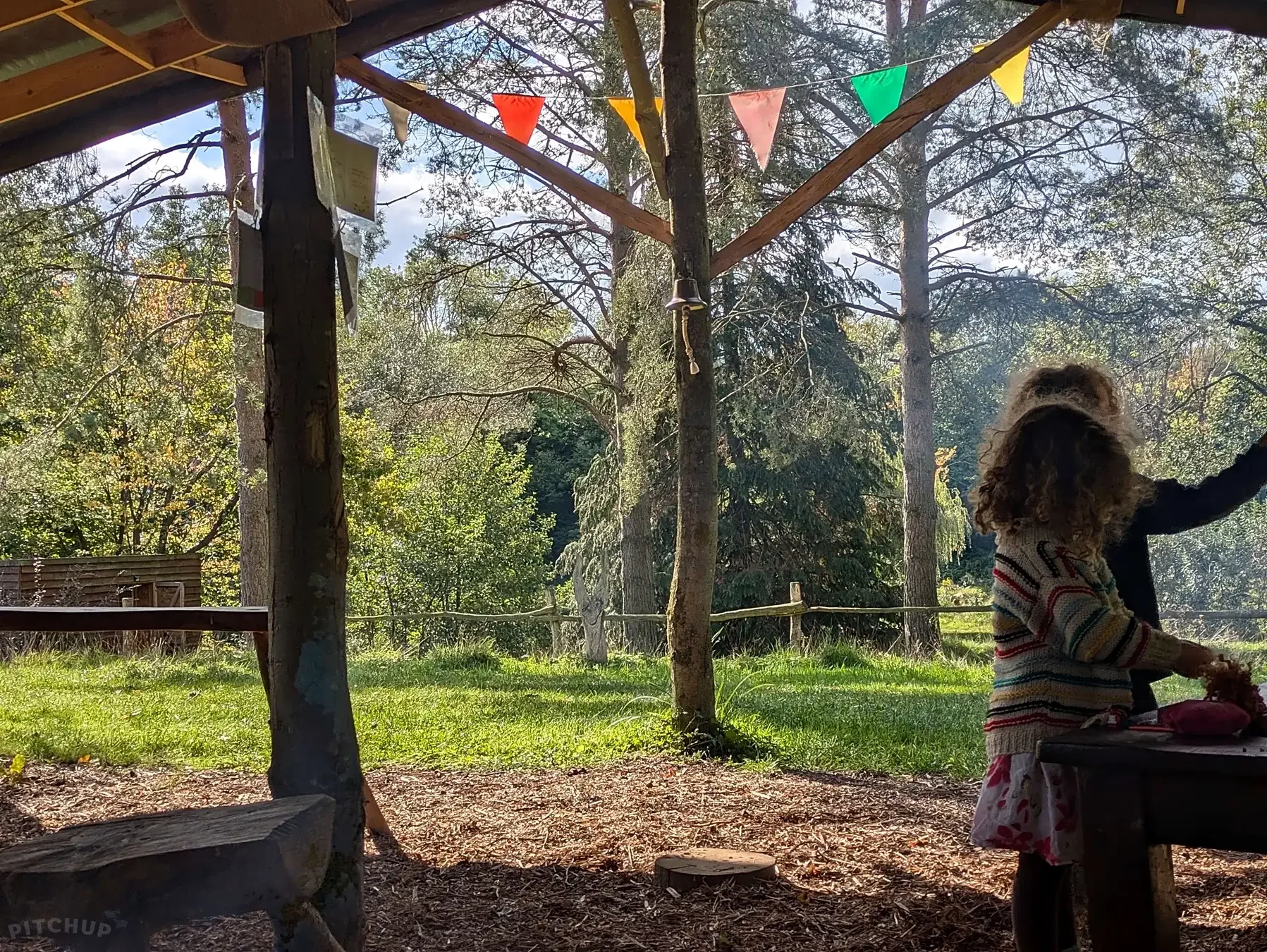
Melora Farm is a Rural Resilient Enterprise Hub, a non-profit, community-led land trust model. It is a space where the "ick factor" of food waste is transformed into the "oo factor" of life-giving soil. It even pushes the boundaries of the "no waste" philosophy through provocative concepts like "Carbon Remains," exploring how biochar can be used in funeral services to turn human remains into a gift for the soil rather than toxic ash.
For those looking to engage, Michael Kennard offers several pathways:
Analog Interaction: Visit for monthly farm tours, film nights in the barn, or a chemical-free beer at the micro-brewery taproom.
Direct Service: Volunteer for tree planting (on contour to manage water), contribute to the community orchard, or launch a micro-enterprise like beekeeping on the land.
Digital Connection: Follow the journey via Compost Club or Melora Farm on Instagram for "Soil First Farming" resources.
The goal is to live out our dreams so that our children know it is possible. The gate is open, the microbes are working, and as Michael invites: "See you at the farm."
