

news and blog

Why Getting Your Hands Dirty Might Be Exactly What You Need
What if the reset button for your mental health wasn’t in an app, but in the soil beneath your feet? From beneficial microbes to the power of slowing down, here’s why getting your hands dirty might be exactly what your body and mind need.

The Invisible World Beneath Your Feet (And Why It Matters More Than You Think)
We’re already releasing engineered microbes into the environment at scale.
They multiply. They spread. They interact with natural systems.
And once they’re out there… there’s no recall.
At Agriton, we believe there’s a better way — working with natural microbial systems using EM1, Actiferm, and Bokashi Bran to build soil, retain nutrients, and support biology, not override it.
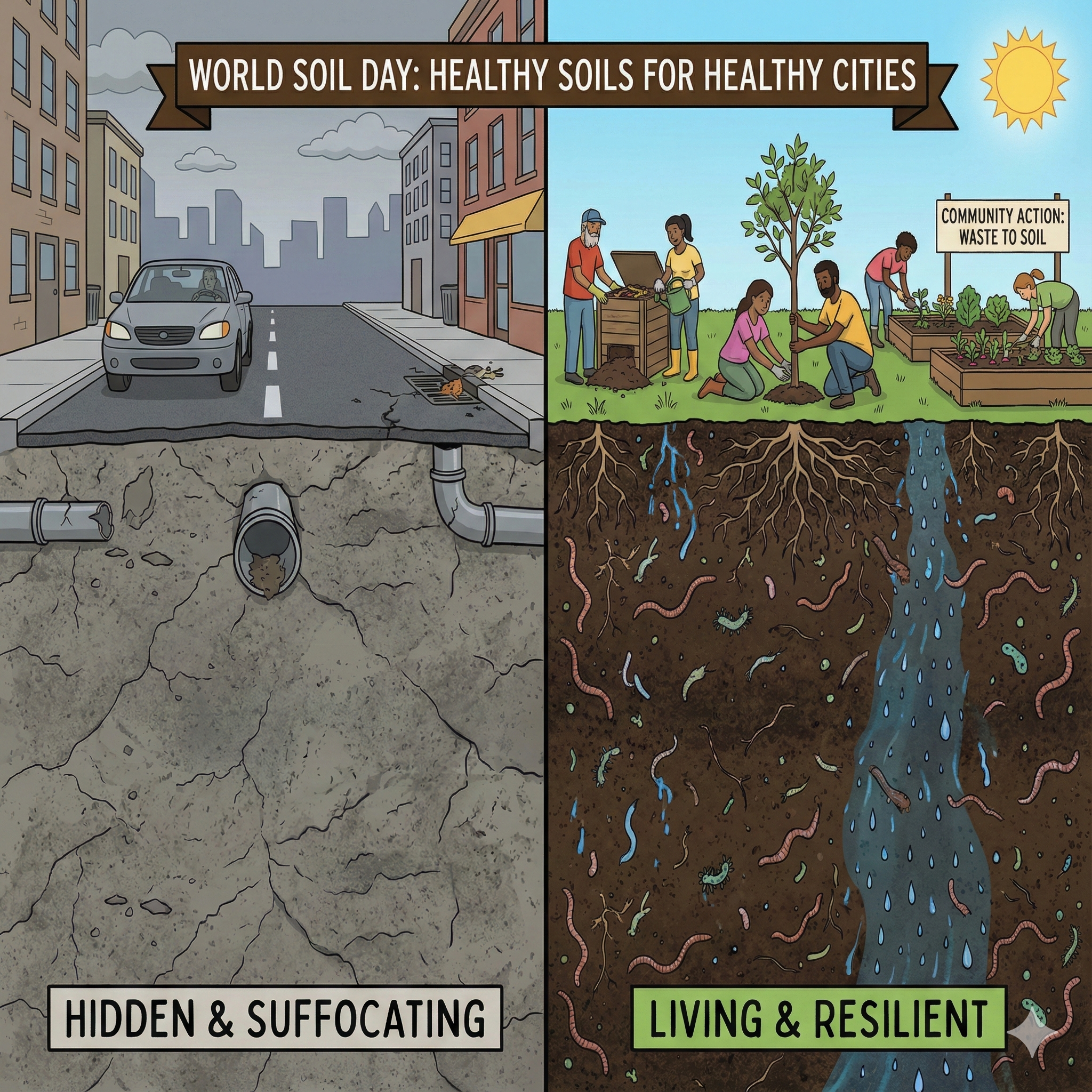
World Soil Day: Healthy Soils for Healthy Cities (and Why Your Compost Bin Matters)
World Soil Day highlights a truth we often overlook: our cities depend on healthy, living soils. From flood prevention to food growing, soil is essential urban infrastructure. By turning organic “waste” into local compost and rebuilding soil life, we can create greener, healthier and more resilient towns and cities.

Actiferm for Growers: Biological Plant Support and Soil Enrichment in One
Actiferm is Agriton’s activated EM solution designed to enhance soil life, plant vitality, and composting performance. Packed with beneficial microbes—including natural endophytes—Actiferm supports root development, improves nutrient uptake, and builds resilience in a wide range of horticultural systems. Discover how this living solution strengthens your growing system from the ground up.

SOIL THE HAPPY DRUG
The pharmaceutical and food industries have led many to believe they hold the secret to happiness and health. But guess what? There are other solutions right under our noses and feet!

BEE POSITIVE
In a world increasingly aware of the urgent need for environmental action, the call to embrace a 'nature positive' mindset resonates louder than ever. With vast expanses of private gardens spanning the UK, comprising an area nearly twice the size of Somerset, individuals hold significant power in shaping ecosystems. As cities devote nearly 30% of their domestic space to gardens, the potential for positive change becomes apparent. Amidst climate and biodiversity crises, the imperative to transition towards a nature-positive approach by 2030, as highlighted in a recent report involving the UK’s statutory nature agencies, becomes paramount. But what exactly does 'nature positive' entail? It goes beyond mere mitigation efforts; it demands proactive measures to enhance the planet and its biodiversity. As Francesca Osowska, chief executive of NatureScot, asserts, it is the collective responsibility of all to adopt this ethos. Amidst these challenges, the plight of bees emerges as a focal point. Their crucial role in pollination underscores the significance of creating bee-friendly habitats within our gardens. With innovative solutions like Actiferm and BeeWellness®, opportunities arise to not only support biodiversity but also foster healthier ecosystems. Embracing such alternatives represents a tangible step towards a more sustainable and nature-positive future.

Bokashi v Compost
The agricultural sector in the UK is facing increased scrutiny for its greenhouse emissions, prompting governments worldwide to introduce ambitious targets and new legislation. The Environmental Land Management scheme (ELMs), replacing the Common Agricultural Policy (CAP), emphasises public funding for public goods, prioritising landscape management, watercourse protection, and emissions reduction. This shift towards environmental stewardship has led to a resurgence of traditional farming methods and a focus on soil regeneration and carbon sequestration. Bokashi, a fermented organic matter, emerges as a promising solution, demonstrated in trials to increase soil organic matter, improve nutrient content, boost crop yields, and reduce carbon loss compared to traditional composting methods. These findings align with ELMs objectives, highlighting the potential of regenerative agriculture to address environmental challenges while ensuring agricultural sustainability and food security.
