
Still Throwing Away Garden Waste? December Research Says We’ve Been Doing It Wrong for Years
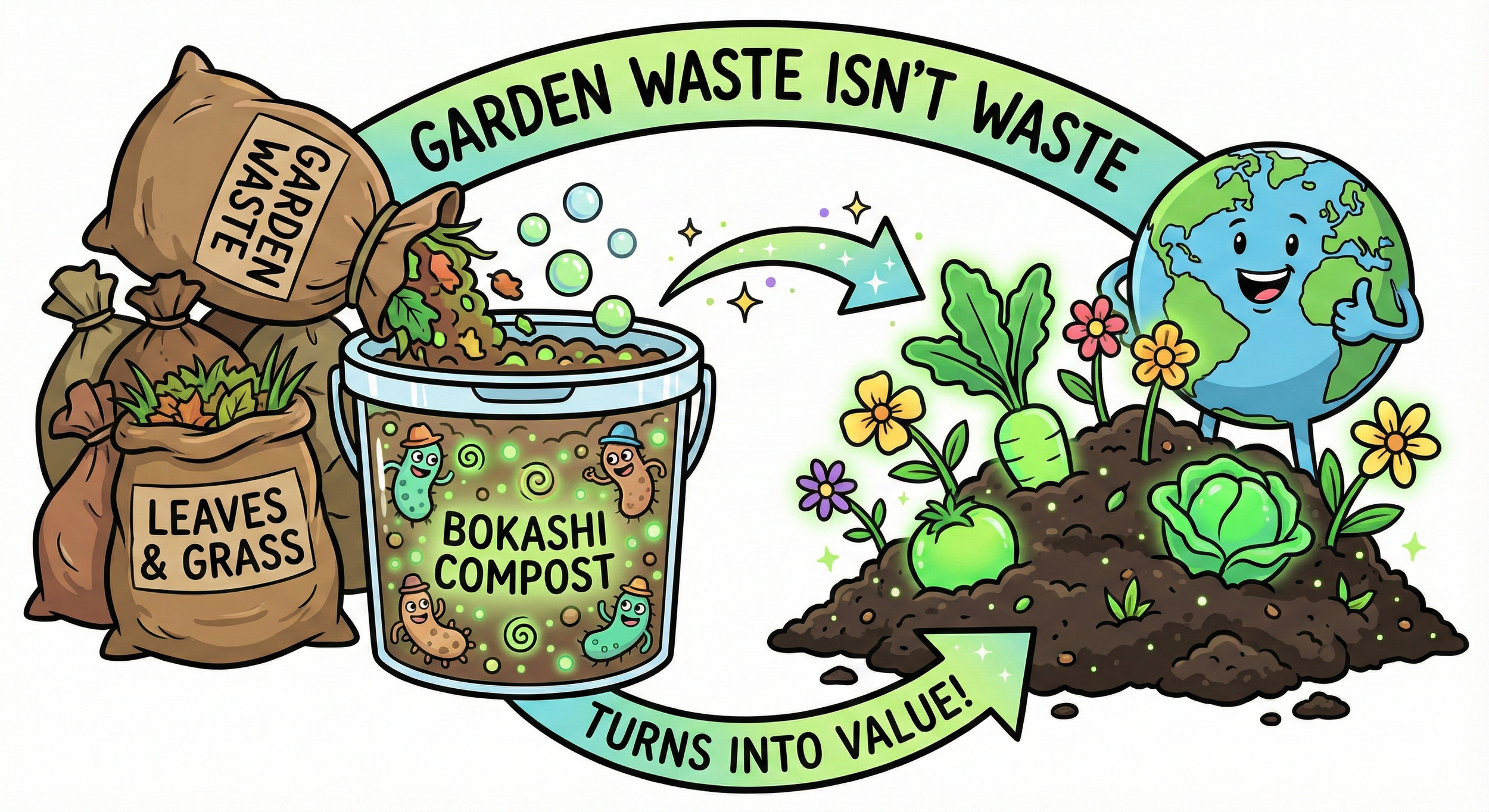
Every winter, as the last leaves fall and councils sweep up roadside clippings, we repeat the same ritual: bag it, tag it, and ship it off as “waste.”
It’s routine. It’s normal. And, according to new multi-year research, it’s completely backwards.
Because that “waste” we’re so keen to get rid of? It turns out to be one of the most undervalued resources we have — and we’ve been discarding it for decades.
The Green Waste Myth: Exposed
Let’s say it plainly:
We don’t have a waste problem — we have a mindset problem.
For years, councils, contractors, and land managers have been paying to remove a material that could actually be used to regenerate the very land it comes from.
Leaves, grass, roadside clippings — all labelled as worthless, messy, inconvenient.
But new research is forcing a rethink, and frankly, it’s about time.
Bokashi: The Method That Makes “Waste” Look Valuable
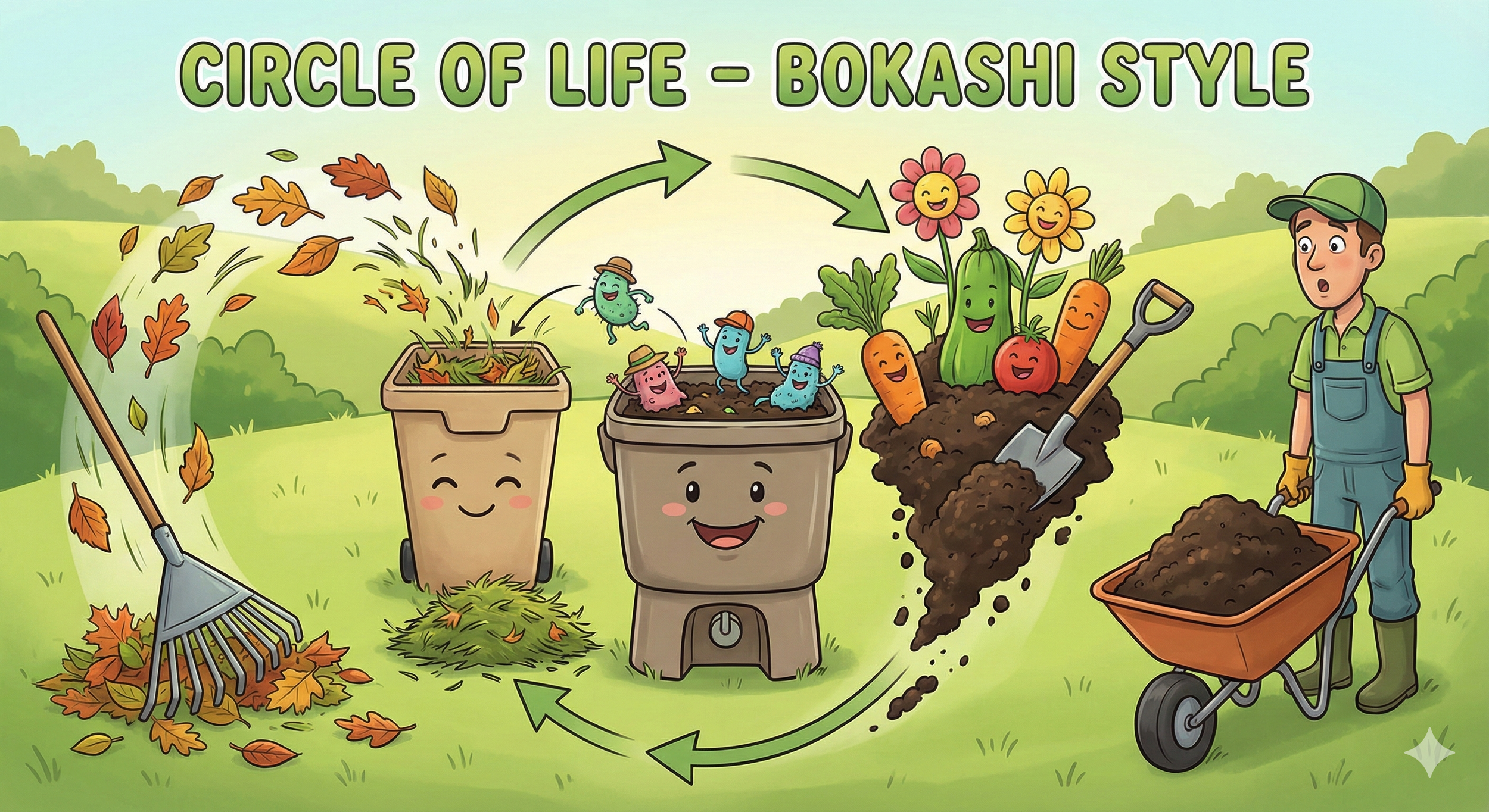
A multi-year research programme involving 60 registered pilots has confirmed something many soil experts have been shouting about for years:
This material should NEVER have been classified as waste.
Using a process called Bokashi, researchers have demonstrated that these clippings — the exact stuff we throw away every week — can be fermented into a biologically rich soil amendment.
Not compost. Not mulch. Something far more potent.
And the kicker?
“Bokashi is made from organic material that is still labelled as waste… As Bokashi, it becomes a valuable raw material that closes a cycle.”
Translation: We’ve been binning gold.
Backed by Serious Science (Not Garden-Hobby Guesswork)
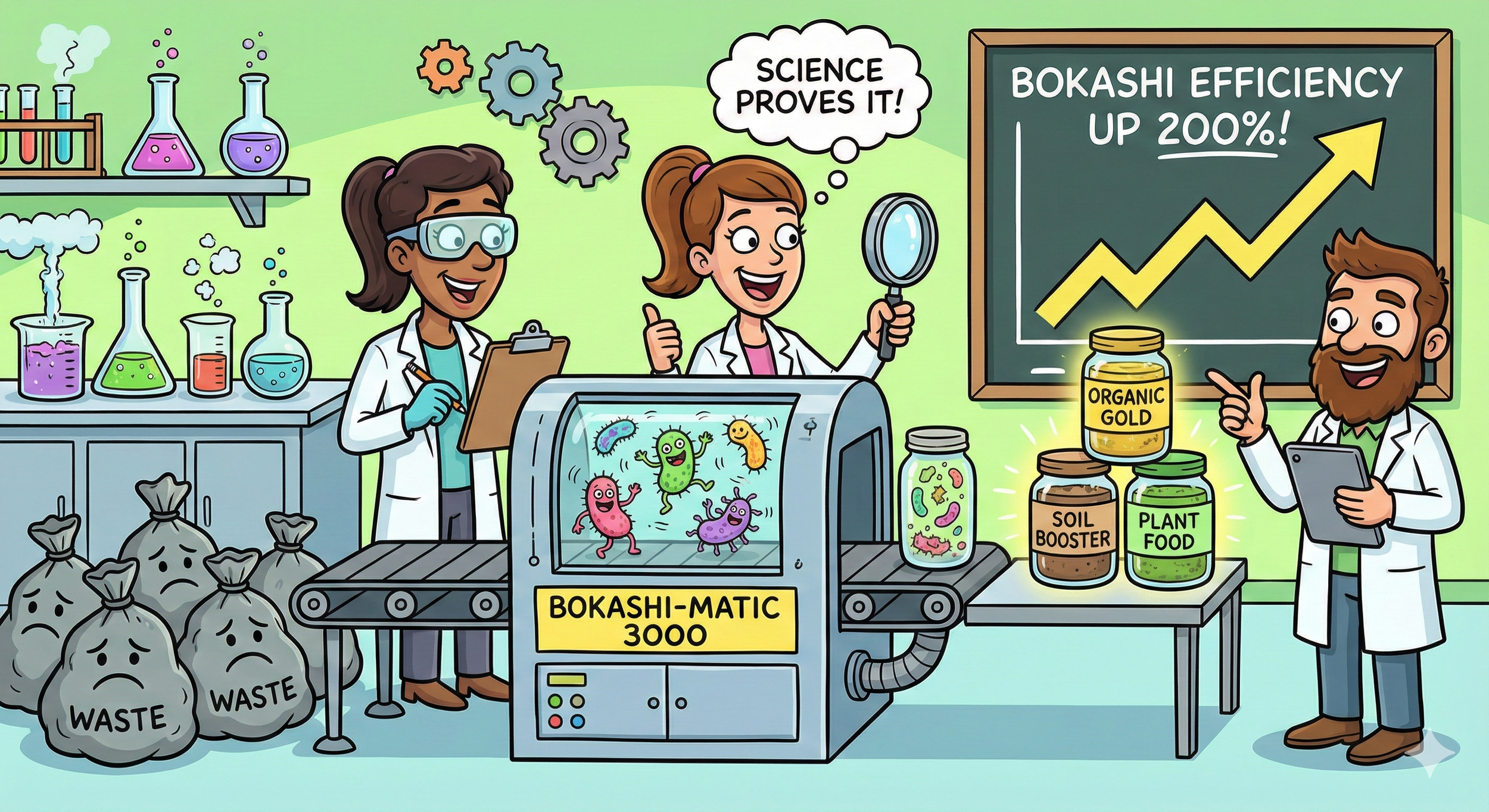
This isn’t an opinion or a trend. This is evidence.
A collaboration between:
Van Hall Larenstein University of Applied Sciences
Wageningen University & Research (WUR)
…over several years, across 60 real-world locations, has shown that Bokashi is an effective, circular way to transform landscape clippings into high-quality soil inputs.
While some councils continue paying for disposal, the research community has quietly been proving that those same materials are the key to healthier soils, lower emissions, and reduced costs.
It’s almost embarrassing how long we’ve ignored it.
Why Are We Still Paying to Throw Away Value?
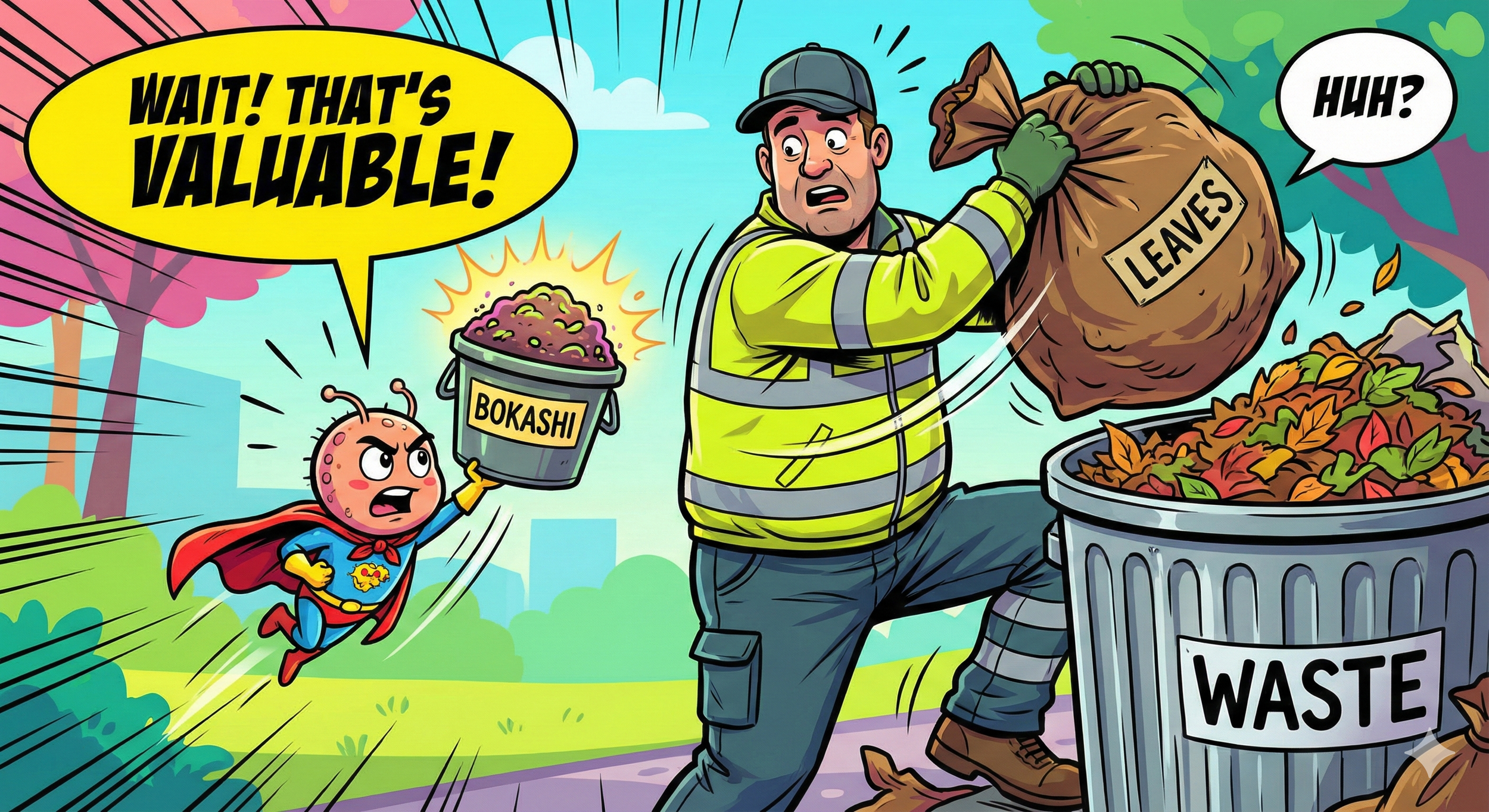
Circular Site Management has one job: turn outputs into inputs.
Yet the UK still sends thousands of tonnes of perfectly good organic material into long, expensive waste chains — burning fuel, wasting time, and missing obvious value.
Bokashi cuts through that nonsense.
Process locally
Return the nutrients to the soil
Stop calling resources “waste”
Reduce carbon and cost at the same time
It is, quite literally, the circular economy in action.
So why isn’t everyone doing it yet? Good question. Maybe because changing a system means admitting the old one was wrong.
December Reality Check: Waste Is a Story We Tell Ourselves
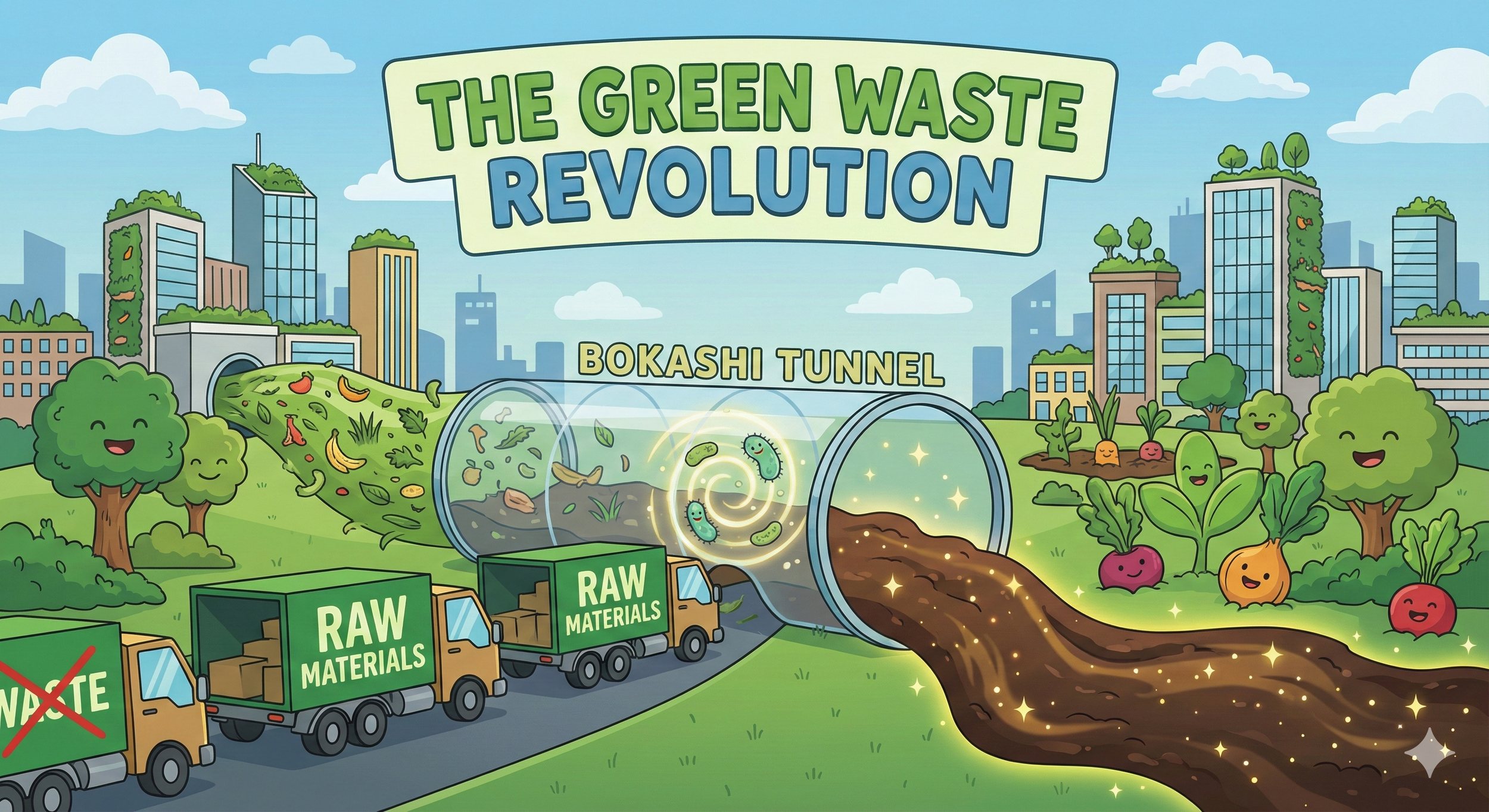
This research forces an uncomfortable but necessary truth:
Most “waste” exists because we decided to label it that way.
If something as simple as leaves and clippings can be proven — scientifically — to be a valuable soil input, what other resources are we blindly discarding?
This isn’t just about Bokashi. It’s about the stories we tell ourselves about what’s useful and what isn’t.
And maybe, just maybe, it’s time we rewrote that story.
Want the Hard Evidence?
Groen Kennisnet has published a detailed article on the findings:
👉 Read it here: https://lnkd.in/e_M_Ynjs
Whether you’re a council officer, land manager, contractor, or gardener, the message is clear:
Stop treating valuable material like rubbish. Start closing the loop. Because the science is in — and the old system is out of excuses.
